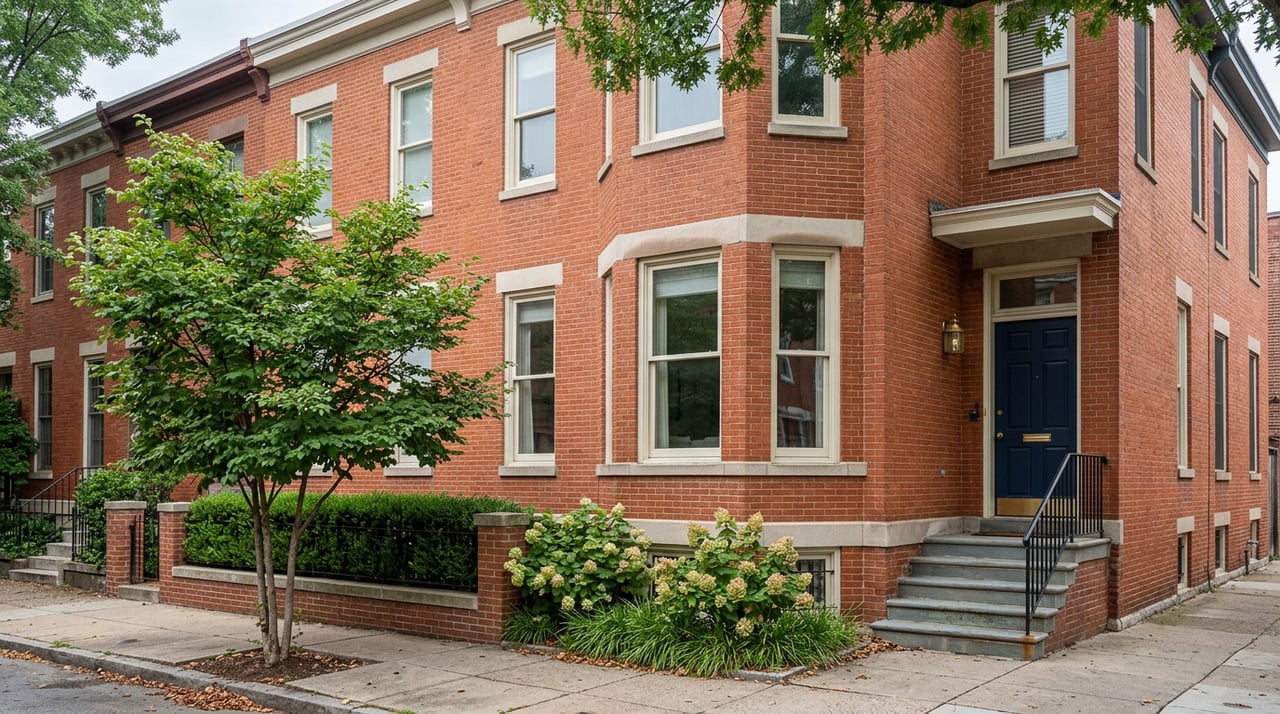
Stuck between a condo and a co-op in Cleveland Park? You are not alone. The buildings look similar from the sidewalk, yet what you own, how you finance it, and how you resell it can be very different. This guide breaks down the key differences in plain language, with a Cleveland Park lens, so you can align the choice with your budget and lifestyle. Let’s dive in.
Ownership and governance basics
Buying a condo means you receive a deed to a specific unit plus a share of the common areas. Your ownership is real property recorded in the land records. A condominium declaration and bylaws govern how the building operates.
Buying a co-op means you purchase shares in a corporation that owns the entire building. You receive a proprietary lease to live in your apartment. Your interest is personal property, and the co-op’s bylaws, lease, and house rules set the terms of use.
For either option, review the building documents before you commit. For condos, look at the declaration, bylaws, budget and reserves, meeting minutes, and the resale certificate. For co-ops, ask for the proprietary lease, board minutes, corporate financials and reserves, house rules, sublet policy, any flip tax, and details about any underlying building mortgage.
Financing and qualification
Condos are financed with a traditional mortgage secured by your unit. Conventional and conforming loans are common, and some condos qualify for FHA or VA financing if the project is approved. Lenders also assess the condo’s health, including reserves and litigation status.
Co-ops use a share loan secured by your stock and proprietary lease. Lenders underwrite both you and the co-op’s financials, including reserves, vacancy, and any underlying mortgage. National secondary market programs are more limited for co-ops, so local or portfolio lenders are often used. This may mean higher rates, larger down payments, or stricter debt-to-income ratios.
If you plan to use FHA or VA financing, you will usually find more options with condos that carry current approvals. If you are downsizing and paying cash, both condos and co-ops may be in play, and the decision may come down to monthly fees, board rules, and lifestyle fit.
Monthly costs and fees
Condo HOA fees typically cover common area upkeep, building insurance for common elements, reserves, and sometimes certain utilities or services. You pay your own property taxes and interior insurance separately.
Co-op maintenance fees often include the building’s property taxes, building insurance, staff and utilities, reserves, and payments on any building mortgage. Co-op fees can look higher at first glance, but they often bundle costs you would pay separately in a condo.
What drives fees up or down? Age of building and capital needs, level of amenities and staffing, whether a co-op has an underlying mortgage, the mix of owners and renters, and how utilities are metered.
How to model your monthly cost
For a condo:
- Mortgage principal and interest
- Plus HOA fee
- Plus property tax (annual divided by 12)
- Plus unit insurance and any owner-paid utilities
- Plus a monthly estimate for any special assessment
For a co-op:
- Share loan principal and interest (if financing)
- Plus monthly maintenance fee (often includes taxes and some utilities)
- Plus personal property or renter-style insurance for belongings
- Plus any special assessment
A simple way to compare is to total your out-the-door monthly number. Add payments, fees, taxes if separate, insurance, utilities, and any assessment estimate. This shows the true cost difference.
Illustrative scenarios
- Scenario A — Condo: $400,000 purchase, 20 percent down, mortgage P&I about $1,288 at 4.5 percent for 30 years, plus $400 HOA and $300 taxes. Estimated monthly around $1,988, plus unit insurance and utilities.
- Scenario B — Co-op: $400,000 share price, 20 percent down, share-loan P&I about $1,288 at the same rate, plus $1,000 maintenance that includes taxes. Estimated monthly around $2,288, plus personal property insurance.
Actual rates, down payment expectations, and fees vary, so use current lender quotes and building documents for a Cleveland Park property you are considering.
Resale, rules, and liquidity
Co-ops almost always require an application and board interview, and the board has discretion to approve or deny buyers. Expect detailed financial disclosure, references, pet and move-in rules, and application fees. This can add time and uncertainty to closing.
Condo boards manage building operations and can enforce rules, but they generally cannot deny a qualified buyer’s purchase. Buyers usually complete a standard registration and receive resale disclosures, which streamlines the path to settlement.
Subletting rules also differ. Co-ops commonly limit rentals and may cap the number of units that can be leased at one time. Condos vary, but many allow rentals with minimum lease terms or caps. These policies affect both lifestyle flexibility and the future buyer pool.
Some co-ops have flip taxes or resale fees paid at transfer, and both condos and co-ops can charge administrative move-in or transfer fees. Because condos attract a wider pool of financed buyers, they often sell faster and may command a premium, while co-ops can trade at attractive prices but may take longer to sell.
Cleveland Park building context
Cleveland Park in Northwest DC offers a rich mix of prewar mid-rise buildings along and near Connecticut Avenue, with garden-style co-ops and condos near the Red Line. Many buildings have historic character, original details, and mature landscaping that draw long-term residents.
Older buildings can carry higher capital needs. Review reserve studies, recent and planned projects, and the history of assessments. An older façade, roof, or mechanical system can require significant investment, which shows up in reserves and maintenance or HOA fees.
Board culture matters here. Longstanding Cleveland Park co-ops often have active boards and a thorough admission process. Condo financing tends to be more widely available through national lenders, while co-op financing often runs through local or regional portfolio lenders familiar with DC co-ops. If you need FHA or VA financing, confirm project approval before making an offer.
Which fits your goals
- First-time buyer using FHA or VA: You will likely find more options among FHA or VA approved condo projects than co-ops. Always verify project approval status.
- Downsizer on a fixed income: A co-op’s bundled maintenance that includes taxes can simplify budgeting. Balance that benefit against the building’s history of fee increases and the strength of reserves.
- Occasional renter or investor: Condos typically offer more leasing flexibility. Co-ops often restrict subletting and may not allow investors.
If you prefer fewer buyer hurdles and a wider lender choice, a condo often fits. If you value a close-knit, owner-occupied feel and are comfortable with a board process, a co-op can be a great match.
Due diligence checklist
For both condos and co-ops:
- Review 12 to 24 months of board minutes, current budgets, and reserve studies.
- Confirm building insurance and what the master policy covers.
- Ask about any planned or likely special assessments.
- Check owner-occupancy ratios and delinquency rates.
- Obtain the resale certificate (condo) or proprietary lease and shareholder package (co-op).
Condo-specific:
- Confirm whether the project is FHA or VA approved if you plan to use those programs.
- Clarify exactly what the HOA fee covers, including utilities or services.
- Verify rental rules, caps, and minimum lease terms.
Co-op-specific:
- Understand the application process, timelines, fees, required documents, and interview expectations.
- Ask about any underlying building mortgage and how it affects maintenance and resale.
- Check for flip taxes, right of first refusal, and any restrictions on transfer.
Lender and legal support:
- Use a lender experienced with DC co-op share loans if you are buying in a co-op.
- Consult a DC real estate attorney familiar with condo and co-op closings to review governing documents and transfer mechanics.
Next steps in Cleveland Park
Your best move is to compare specific buildings side by side. Line up the monthly cost model, financing options, board rules, and recent capital projects for each. A clear, apples-to-apples view brings the choice into focus.
If you want a guided path, I can help you assemble the right documents, connect you with local lenders who know DC co-ops, and walk you through board and resale timelines. I work across Cleveland Park and nearby historic corridors, and I can help you find the fit that matches your story and your numbers.
Ready to explore Cleveland Park condos and co-ops with a local plan? Connect with Ethan Carson to compare options and move forward with confidence.
FAQs
What is the core difference between a condo and a co-op?
- A condo gives you a deed to a unit plus a share of common areas, while a co-op gives you shares in a corporation and a proprietary lease to occupy your apartment.
How do condo and co-op loans differ for DC buyers?
- Condo loans are traditional mortgages on real property, while co-op share loans are secured by your stock and lease and are often offered by local portfolio lenders with different terms.
Do co-op monthly fees really include property taxes?
- Often yes. Many co-ops include building property taxes and some utilities in maintenance, which is why fees can look higher than condo HOA dues that exclude taxes.
Will a condo be easier to resell than a co-op in Cleveland Park?
- Usually yes. Condos draw a broader buyer pool and allow more common financing types, while co-ops add board approval, which can narrow the pool and lengthen timelines.
What should I review before making an offer on a co-op?
- Request the proprietary lease, financials and reserves, board minutes, sublet policy, any flip tax, and details on any underlying mortgage, plus the application checklist and timeline.