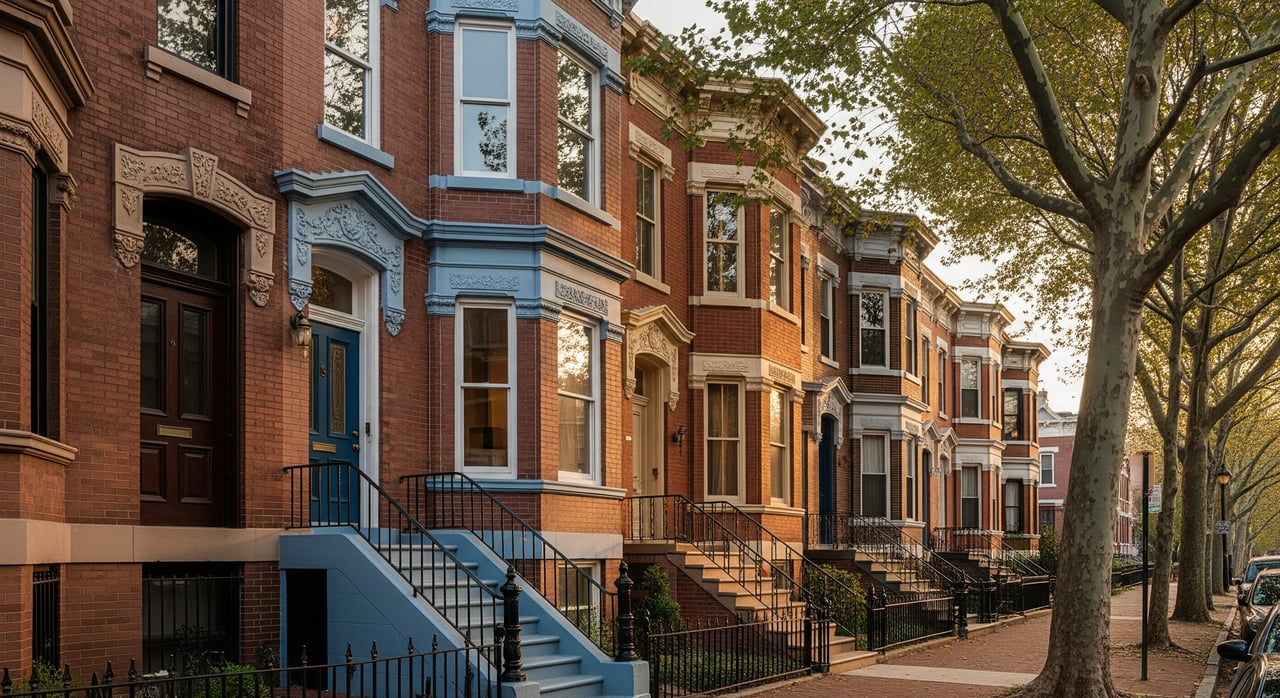
Ever walked past a Columbia Heights rowhouse with a proud brick façade and wondered if it was a Wardman? You are not alone. These homes carry a certain rhythm and craftsmanship that buyers love, but they also come with specific layouts and renovation considerations you should understand. In this guide, you will learn how to spot Wardman hallmarks, what floor plans to expect, which condition issues matter most, and how to modernize while protecting long-term value. Let’s dive in.
What makes a home “Wardman”
Snapshot of the era
William A. Wardman was among Washington’s most prolific builders from the 1890s through the 1920s. In this period, he developed rowhouses, semi-detached homes, and apartment buildings across neighborhoods including Columbia Heights, sections of Dupont Circle and Kalorama, and along 14th Street. When you hear “Wardman,” think period craftsmanship, consistent building methods, and character-rich details from the pre- and immediate post–World War I years.
Where you will find them
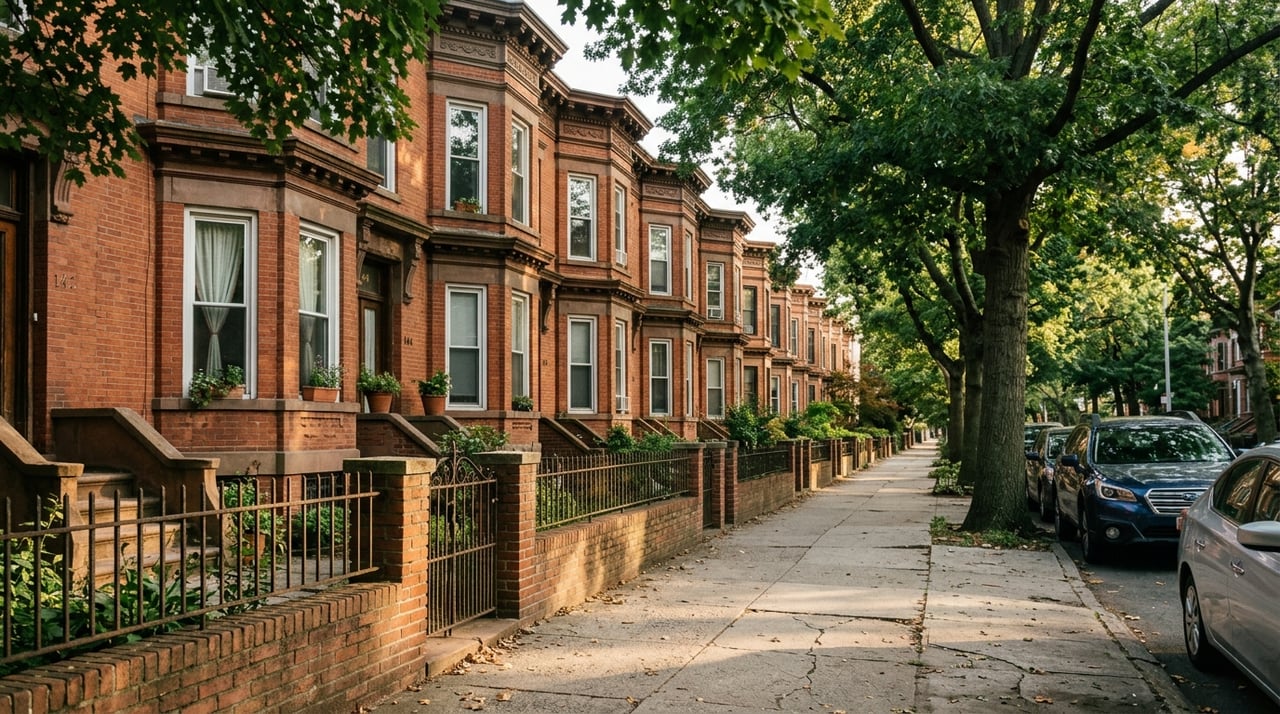
Columbia Heights has many Wardman-era rowhouses and some larger flat buildings. Most sit on narrow, deep urban lots, often two to four stories, with raised basements and recognizable stoops. You will also see mirror-pair homes that share party walls and occasional mixed-use or apartment buildings from the same builder period.
Why buyers care
Wardman homes pair solid brick construction with thoughtful proportions and ornament. They offer flexible interior space, high ceilings, and timeless curb appeal. For many buyers, the combination of historic character and update-friendly layouts makes these homes a compelling long-term choice.
Signature exterior hallmarks
- Brick facades with quality craftsmanship. Expect red or polychrome brick laid in running or Flemish bond, plus decorative coursing.
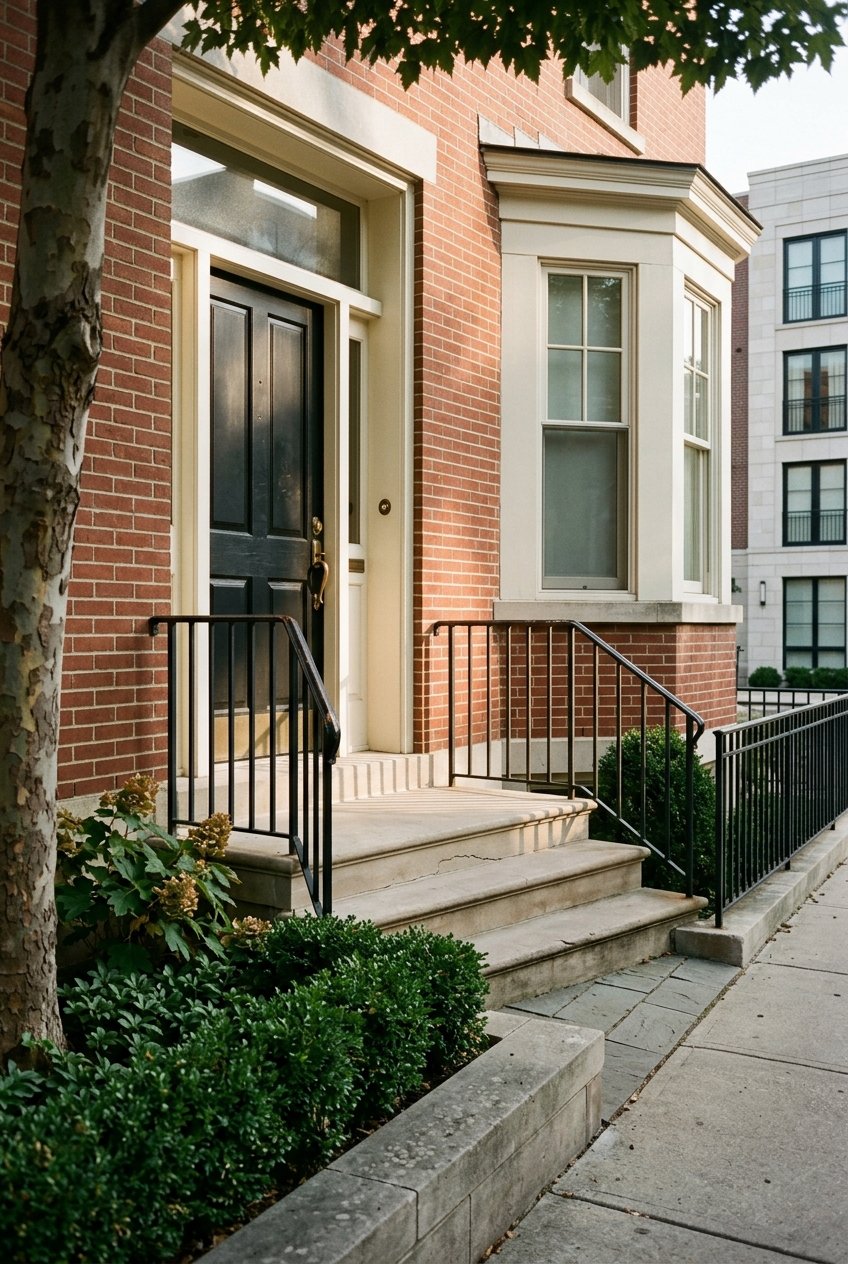
- Raised foundations and stoops leading to an elevated parlor level, often with daylight basements.
- Bay windows that project at the parlor level, adding light and architectural presence.
- Wrought-iron or cast-iron railings and stair details that frame the entry.
- Stone or cast-stone trim, including lintels, sills, and occasional brownstone accents.
- Cornices and parapets, often bracketed or pressed metal, that complete the façade line.
- Flat roofs behind parapets for most rowhouses. Some semi-detached models include pitched roofs and dormers.
Interior character to expect
- High ceilings, often 9 to 12 feet on the main parlor level.
- Original hardwood floors in pine, fir, or oak depending on age and model.
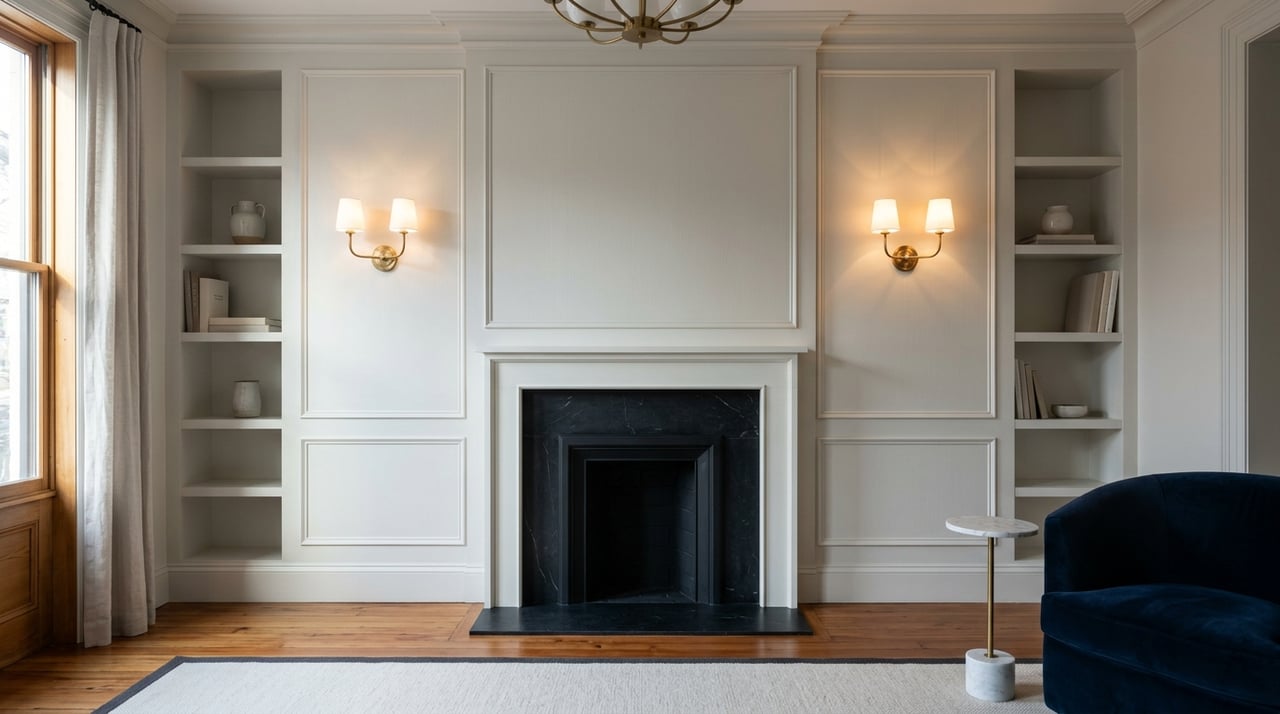
- Ornamental fireplaces with tile or marble surrounds and period mantels.
- Original wood trim, including baseboards, crown, chair rails, and built-ins.
- Plaster walls and ceilings, with decorative plaster or pressed-tin ceilings in select homes.
- Wood staircases with original newel posts and balusters. Pocket doors appear in some plans.
Typical floor plans
Vertical layout
- Raised basement: Historically used for service areas and utilities. Today these levels often become family rooms, guest suites, or rental units.
- Parlor or main floor: A front parlor with bay window flows to a formal dining room. Some plans include a vestibule or intermediate sitting room.
- Upper floors: Two to three bedrooms per floor in most two- or three-story houses. Original homes typically had one main bath on an upper level.
- Attic or third floor: Sometimes finished, sometimes used as storage, occasionally with dormers.
Room flow and circulation
Many Wardman plans run front to back with a clear central or side stair. Kitchens were historically at the rear or in the basement. Modern updates often expand the kitchen into a rear addition while keeping the front parlor intact. Light comes from front bays, rear windows, light wells, and small rear yards.
What to check on a tour
- Stair integrity and original balustrade condition.
- Ceiling height and whether rooms can open up without losing key features.
- Evidence of the original kitchen and bath locations to gauge renovation scope.
- Basement height and moisture levels, plus the foundation type and condition.
Common condition issues
- Masonry: Mortar erosion, cracked or spalled brick, and parapet or cornice deterioration are common. Watch for hard Portland cement repointing on historic brick, which can cause damage over time.
- Foundations and basements: Moisture intrusion and evidence of past water issues are frequent in older basements. Some older rows have rubble or fieldstone foundations.
- Woodwork and windows: Weathered sash, worn hardware, or missing trim may need repair. Original windows can often be rehabilitated rather than replaced.
- Plaster and lath: Cracks or sagging occur with age. Prior drywall patches are common.
- Systems: Outdated electrical such as knob-and-tube wiring, aging plumbing stacks, and the absence of central air present typical upgrade needs.
- Roof and drainage: Flat roofs can suffer ponding or flashing failures. Integrated gutters at parapets need careful inspection.
Renovations that preserve value
Follow proven standards
When possible, align work with the Secretary of the Interior’s Standards for Rehabilitation. In practice, that means preserving character-defining features, repairing instead of replacing when you can, and choosing reversible methods for new interventions.
Kitchens and baths
Kitchens and bathrooms often deliver the highest return when done with sensitivity. Many owners expand into a rear addition or the lower level to create a larger kitchen without removing a parlor or mantel. Keep the front rooms’ scale and details intact to retain value.
Mechanical upgrades
Route new HVAC thoughtfully to avoid cutting original joists or trim. Use basements, closets, or secondary spaces for ducts. High-efficiency mini-split systems can be a smart choice when you want less invasive cooling and heating, especially on upper floors.
Additions and rear expansions
Rear additions are common and often appropriate when they remain subordinate to the main house, step back from the primary façade, and use compatible materials. Keep the rhythm of openings and the overall scale consistent with the original structure.
Windows and doors
In historic contexts, check local guidelines before replacing exterior windows or doors. Many owners get strong energy gains by repairing original sash, improving weatherstripping, and adding interior storm windows.
Permits and historic review in D.C.
When reviews apply
Portions of Columbia Heights include individually listed properties and contributing resources within historic districts. Changes visible from the street can trigger design review by the D.C. Historic Preservation Review Board or advisory commissions. Plan early and confirm which reviews and approvals apply to your address.
Tax incentives overview
Some rehabilitation projects may qualify for tax credits or local incentives when work meets certified historic rehabilitation criteria. If you are considering major restoration, check federal and District programs for eligibility before you start.
Contractor selection tips
Hire teams with experience in early 20th-century D.C. rowhouses. Ask for references and photos from similar projects. Document existing conditions with photos and measurements, and salvage original elements such as doors, mantels, and hardware for reuse.
Buyer and owner checklists
On a showing
- Brick quality, decorative coursing, and parlor-level bay windows.
- Original ironwork, stoop, and elevated entry.
- High ceilings, intact mantels, stair with original balustrade.
- Signs of the original parlor-dining sequence and a rear service zone.
- Masonry joints, cornice and parapet condition, roof drainage paths.
If you plan to renovate
- Assess basement moisture levels and foundation stability early.
- Check electrical service capacity and the presence of knob-and-tube wiring.
- Evaluate window condition and feasibility of repair plus interior storms.
- Plan kitchen and bath locations around existing plumbing stacks to minimize invasive work.
- Budget for compatible mortar repointing if joints are deteriorated.
For sellers upgrading before listing
- Preserve and highlight original trim, mantels, floors, and stairs.
- Keep modern changes reversible and focus them on interior service areas.
- Maintain the historic front façade for curb appeal and market value.
- Consider tasteful, period-aware updates that showcase craftsmanship.
How Ethan helps in Columbia Heights
- Pre-purchase planning to evaluate layout potential, basement feasibility, and mechanical routing before you write an offer.
- Introductions to preservation-minded contractors, trades, and consultants who know D.C. rowhouses.
- Compass Concierge to front the cost of strategic pre-market improvements, from paint and refinishing to light renovations that respect historic fabric.
- Story-driven marketing that highlights provenance, including short documentary-style videos that show the details buyers seek.
- Developer-savvy guidance for shells and renovation-ready properties, including pricing for post-renovation outcomes and market positioning.
If you are considering a Wardman in Columbia Heights, you deserve a plan that protects the character you love and the value you are building. For clear guidance tailored to your block and your goals, connect with Ethan Carson.
FAQs
What is a Wardman home in Columbia Heights?
- A Wardman home is a house or building from the 1890s–1920s built by developer William A. Wardman, known for brick rowhouses with quality details and timeless layouts.
How can I confirm a house is Wardman-era?
- Look for period features like brick façades, bay windows, stoops, and original trim, and verify the construction date and builder information through local records or surveys.
Are Wardman rowhouses good candidates for renovation?
- Yes, they typically adapt well when you preserve character-defining features, modernize kitchens and baths sensitively, and route new systems with minimal intrusion.
What should I inspect before buying a Wardman rowhouse?
- Focus on masonry and mortar condition, roof and parapet drainage, basement moisture, electrical capacity, plumbing stacks, and the integrity of stairs and trim.
Do I need permits for exterior changes in historic areas?
- Most structural work and changes visible from the street require permits, and some may need historic review; check D.C. guidelines early in planning.
What is the best way to upgrade windows in a Wardman?
- Repair original sash when feasible, improve weatherstripping, and consider interior storm windows; replace only when repair is not practical and guidelines allow it.