Choosing between Kalorama and Adams Morgan is not just about price or square footage. It is about how you want your day to feel when you step outside your front door. If you are trying to decide between these two closely connected D.C. neighborhoods, the right answer usually comes down to pace, housing style, and your preferred kind of convenience. Let’s dive in.
Kalorama vs. Adams Morgan at a Glance
Kalorama and Adams Morgan sit close together, but they offer noticeably different daily rhythms. Kalorama tends to feel quieter, more residential, and more formal, with tree-lined streets, historic homes, embassies, and a sense of seclusion that still stays near city services.
Adams Morgan is more active and social. Planning materials describe it as an eclectic mix of shops, restaurants, and bars, with a long-standing role in D.C. nightlife and several active commercial clusters. If Kalorama feels tucked away, Adams Morgan feels out in the open.
Kalorama Lifestyle Tradeoffs
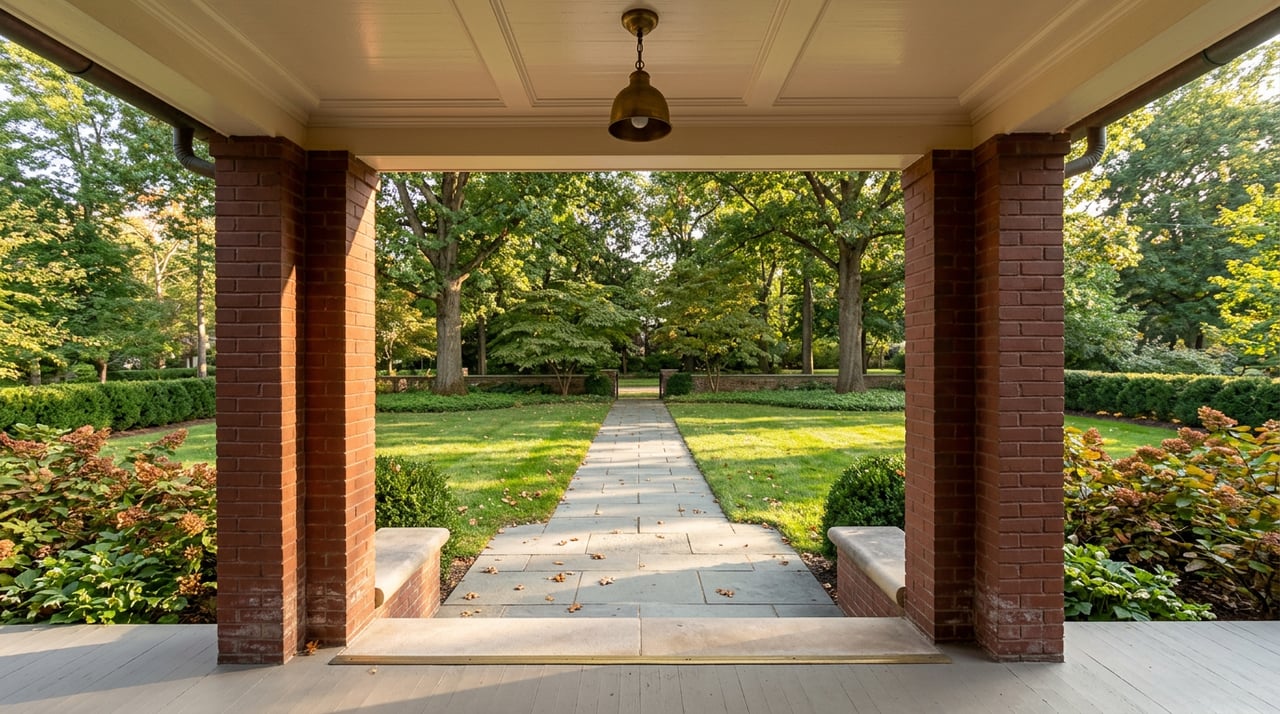
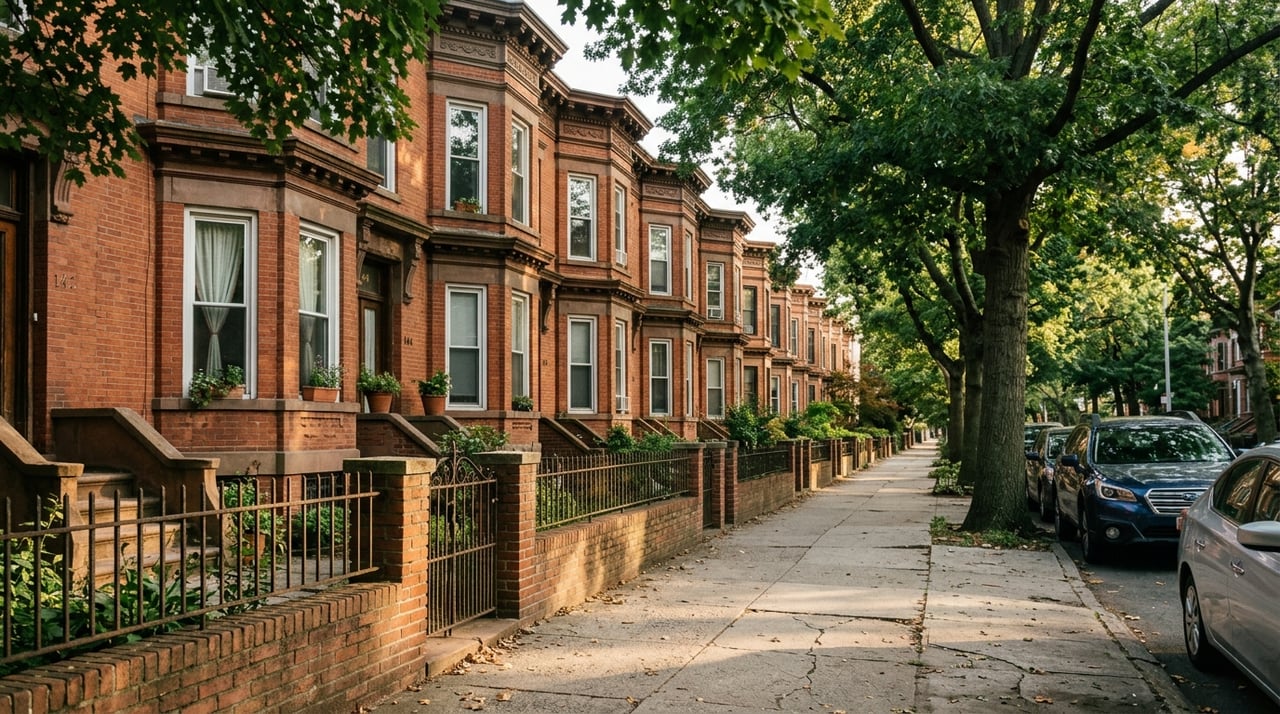
Kalorama appeals to buyers who want calm without giving up city access. The neighborhood is known for hilly, tree-lined streets, historic architecture, and a residential setting shaped by embassies, chanceries, and long-established homes.
That quiet setting is one of Kalorama’s biggest strengths, but it also helps define the tradeoff. You get a more private, residential-first atmosphere, yet you may not have the same level of immediate retail energy right outside your building as you would in Adams Morgan.
A Residential-First Daily Rhythm
Sheridan-Kalorama planning materials describe the area as a secluded residential enclave that remains close to public and commercial services. That combination is a big part of the appeal. You can enjoy a calmer home base while still staying connected to the broader city.
For many buyers, this means your mornings and evenings may feel less hectic. Streets tend to read more as places to live than places to pass through for nightlife or errands.
Historic Homes and Formal Character
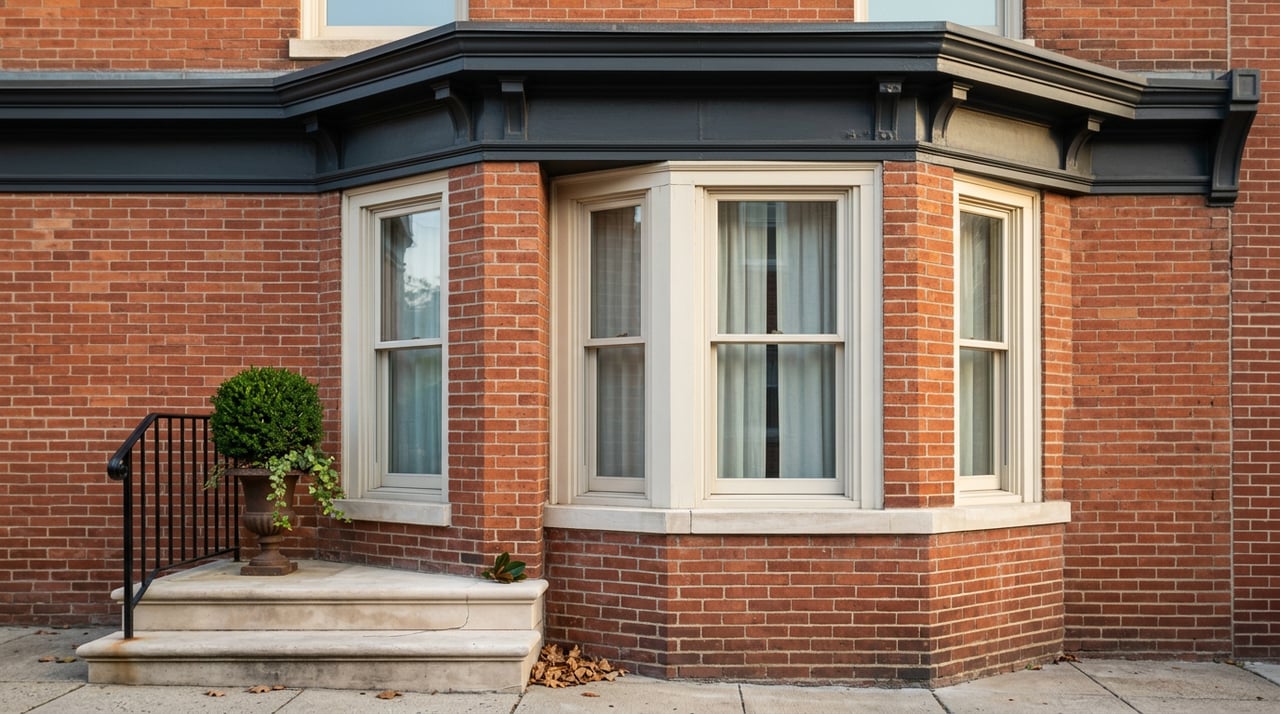
Kalorama’s housing stock includes rowhouses, distinguished townhouses, grand mansions, and early apartment buildings. This mix gives the neighborhood a strong architectural identity, especially for buyers who care about provenance, facade character, and historic detail.
Still, Kalorama is not one single housing type. The Sheridan-Kalorama and Kalorama Triangle historic districts were designated separately and cover slightly different periods of significance, which helps explain why one block can feel more mansion-oriented while another leans toward apartment houses or rows of homes.
Green Space and Seclusion
Kalorama benefits from both atmosphere and geography. Planning materials note its relationship to Rock Creek Park and emphasize its natural topography and tree-lined streets.
That setting can make the neighborhood feel unusually sheltered for central D.C. The tradeoff is that some of the convenience here comes through adjacency rather than having every activity concentrated on the same few blocks.
Adams Morgan Lifestyle Tradeoffs
Adams Morgan is a fit for buyers who want more action in their day-to-day routine. The neighborhood is known for restaurants, bars, local businesses, and a street life that stays active well beyond the workday.
That energy is a major draw, but it comes with its own tradeoff. If you want activity on your doorstep, you may also need to be comfortable with a busier environment, more foot traffic, and the practical realities of a highly urban setting.
Street Life and Social Energy
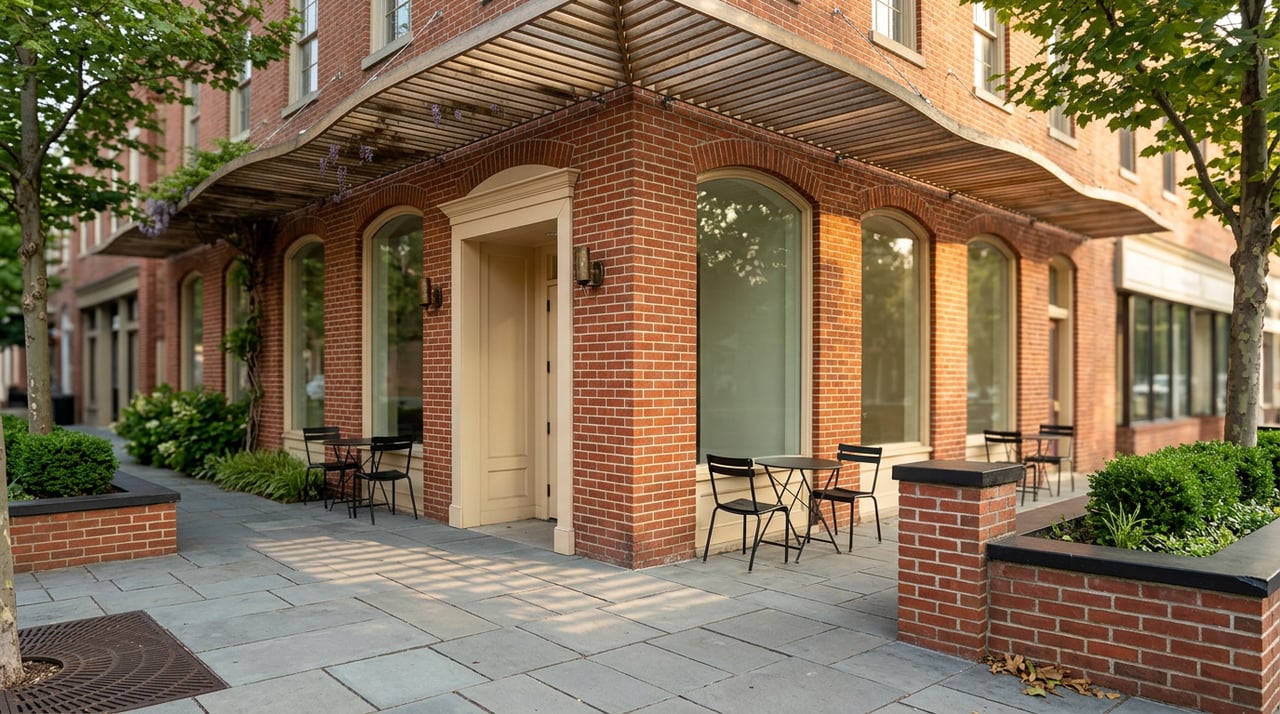
Ward 1 planning materials describe Adams Morgan as a center for nightlife with an eclectic mix of shops, restaurants, and bars. The neighborhood’s commercial activity is not limited to one identity either. The Adams Morgan Vision Framework points to different retail clusters, including 18th Street and Columbia Road East.
For buyers, this often means more built-in spontaneity. Dinner, coffee, errands, and evening plans can all happen within a short walk, which creates a more social and active daily rhythm.
Mixed Housing Near Retail
Adams Morgan is historic too, but the housing mix often feels more tied to commercial corridors. Planning and heritage materials point to late-19th-century row houses, early-20th-century apartment houses, and mixed-use structures near active streets.
In practical terms, Adams Morgan often appeals to condo and apartment buyers, or to anyone who wants a home close to dining and retail. The tradeoff is that your building and block may feel more connected to neighborhood activity than buffered from it.
Transit, Access, and Parking Realities
Adams Morgan offers strong urban connectivity. The neighborhood is reached from the Red Line via Woodley Park-Zoo/Adams Morgan and is also served by multiple bus routes and bikeshare stations.
At the same time, parking can be tricky. For some buyers, that is a manageable tradeoff for walkability and access. For others, it is a sign that block-level logistics matter just as much as neighborhood reputation.
The Overlap Matters More Than You Think
One of the most useful things to know is that Kalorama and Adams Morgan do not always divide neatly in real life. Kalorama Triangle, in particular, sits in an overlap shaped by streetcar-era development, rowhouses, apartment buildings, and Columbia Road commercial growth.
That means the lifestyle can shift quickly from one block to the next. A home that carries a Kalorama address or feel may still sit close to Adams Morgan activity, while a quieter side street near Adams Morgan may feel more residential than you expect.
How Housing Type Shapes the Choice
If you are deciding between these neighborhoods, focus on the home type as much as the map. In Kalorama, buyers often find a stronger mansion, townhouse, and apartment-house character. In Adams Morgan, the mix often leans more toward condo, apartment, and mixed-use living near active retail streets.
This matters because the same buyer can have a very different experience depending on the building. A top-floor condo near a commercial corridor will live differently than a townhouse on a quieter block, even if the two homes are only a few streets apart.
Green Space and Outdoor Feel
Kalorama’s outdoor appeal comes from its tree canopy, topography, and proximity to Rock Creek Park. It tends to feel shaded, established, and visually quiet.
Adams Morgan’s green-space anchor is Meridian Hill Park, also known as Malcolm X Park. National Park Service materials describe it as an 11-acre historic park used for walking dogs, yoga, drumming, pickup soccer, and relaxing on the grass. If Kalorama offers a quieter streetscape, Adams Morgan offers a more active park-and-plaza energy nearby.
Which Neighborhood Fits Your Lifestyle?
The best fit depends on what you want more of in your everyday life.
Kalorama May Fit You Better If
- You want a quieter residential setting
- You are drawn to grand homes, townhouses, and historic apartment houses
- You value tree-lined streets and a more secluded feel
- You like being close to services without living in the middle of a commercial corridor
Adams Morgan May Fit You Better If
- You want restaurants, bars, and local businesses close by
- You enjoy a stronger street scene and more social energy
- You prefer a walkable, mixed-use urban environment
- You are comfortable with the realities of a busier neighborhood, including trickier parking
The Best Answer Is Often the Exact Block
In this part of D.C., micro-location matters. The research on Kalorama Triangle and surrounding historic districts makes clear that neighborhood lines can blur, and the feel of a street can change quickly based on orientation to major corridors, building type, and topography.
That is why the smartest way to approach the choice is not simply Kalorama versus Adams Morgan. It is Kalorama on this block, or Adams Morgan in this building, and how each option matches the pace and character you want from home.
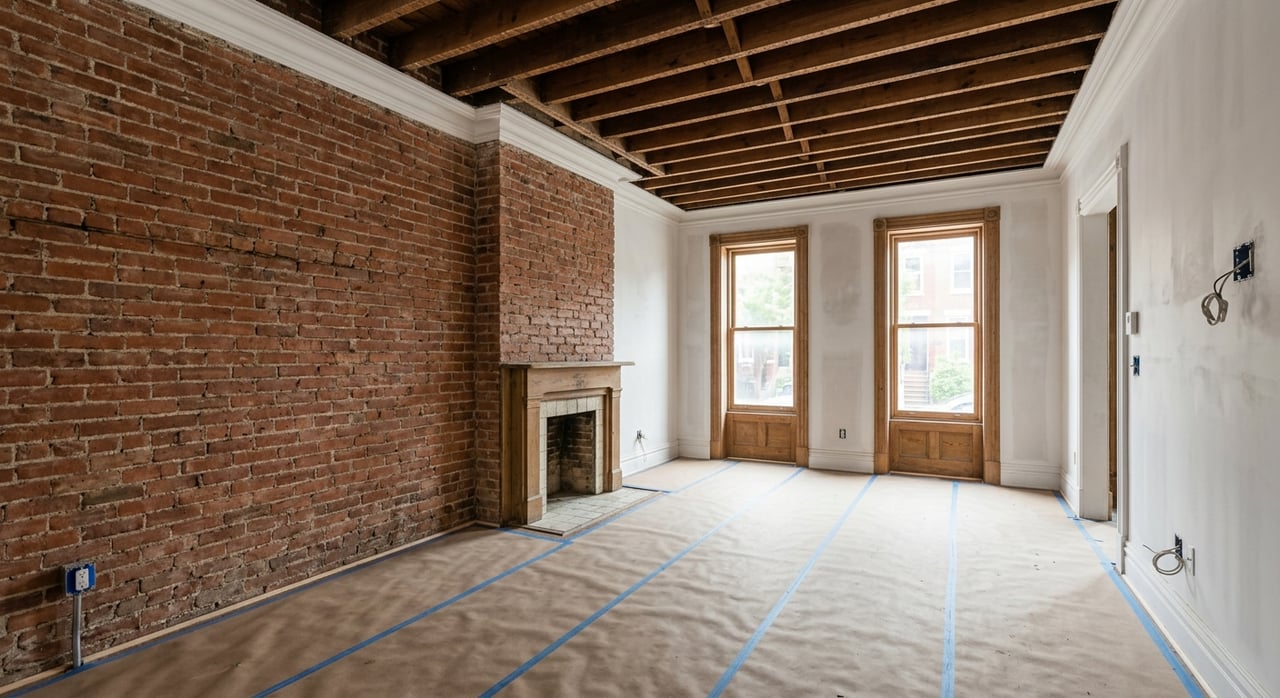
If you are weighing historic townhouses, condo buildings, or renovated properties in this part of Washington, a nuanced neighborhood read can make the decision much clearer. For a more local, property-by-property perspective, explore the portfolio with Ethan Carson.
FAQs
What is the main lifestyle difference between Kalorama and Adams Morgan?
- Kalorama generally feels quieter, more residential, and more secluded, while Adams Morgan is known for more active street life, dining, bars, and nightlife.
What types of homes are common in Kalorama?
- Kalorama includes rowhouses, townhouses, grand mansions, and early apartment buildings, with a strong historic residential character.
What types of homes are common in Adams Morgan?
- Adams Morgan includes historic row houses, early apartment buildings, and mixed-use properties near active commercial corridors.
Is Kalorama or Adams Morgan better for walkable retail and nightlife?
- Adams Morgan is typically the stronger fit if you want restaurants, bars, and neighborhood businesses within a short walk.
Does Kalorama still offer convenient city access?
- Yes. Planning materials describe Kalorama as residential and secluded while still staying close to public and commercial services.
Why does block-by-block analysis matter in Kalorama and Adams Morgan?
- The neighborhoods overlap in places, especially around Kalorama Triangle, so the feel can change quickly depending on the exact street, building type, and distance from commercial corridors.