If you are eyeing a shell, a dated rowhouse, or a tired condo conversion in Columbia Heights, the opportunity can be real, but so can the risk. This is a neighborhood where older housing stock, historic character, and city rules all shape the outcome of a renovation. If you want to spot the difference between a smart project and an expensive surprise, this guide will help you evaluate the property, the market, and the likely path to resale or hold. Let’s dive in.
Why Columbia Heights Creates Renovation Potential
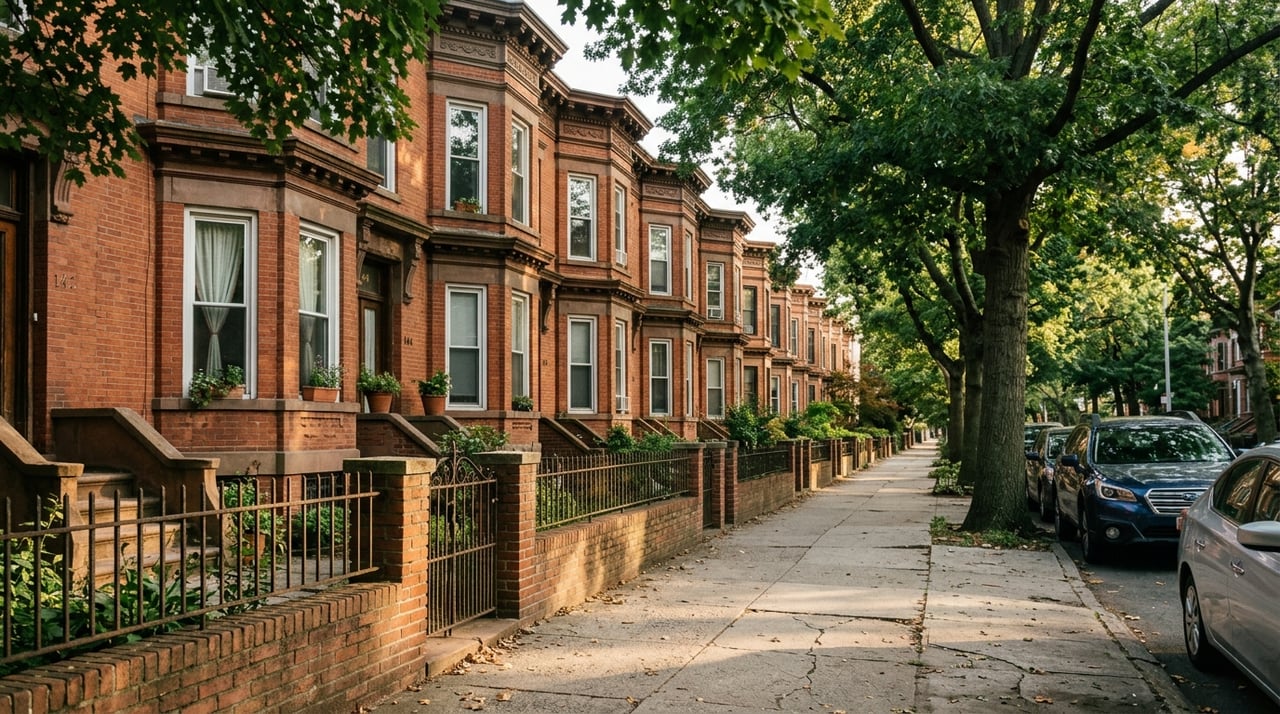
Columbia Heights offers the kind of housing stock that naturally creates renovation opportunities. Planning materials from the District describe the neighborhood as part of Ward 1’s row-house-dominant residential fabric, with historic townhomes, small apartment buildings, and an active commercial core.
That matters because most renovation plays here are not blank-slate projects. You are usually dealing with older urban buildings that need to be understood as city structures first, then design projects second. Layout, structure, moisture, and permitting often matter just as much as finishes.
Historic planning documents also point to the neighborhood’s streetcar-era buildout, which helps explain the mix you still see today. In practical terms, that means you may be evaluating everything from condo conversions to larger townhouses and small multifamily properties, each with a different resale path.
Read the Market Before You Renovate
The first step in evaluating a renovation opportunity is understanding the market range. Current data sources place Columbia Heights broadly in the low-to-mid $600,000s, though the exact number varies by source and methodology.
Zillow reports a typical home value of $602,831, with homes going pending in about 23 days. Redfin shows a median sale price of $659,078 and average market time around 45.5 days. Realtor.com reports a median listing price of $620,000, a median sold price of $550,000, and a median of 36 days on market.
The key takeaway is not to treat any one number as the answer. Instead, use these figures as a working range and then narrow your analysis by product type, size, condition, and location within the neighborhood.
Nearby Areas Help Frame Value
Columbia Heights does not exist in isolation. Nearby Ward 1 neighborhoods sit in a similar urban housing ecosystem, so they can help when the immediate sold data is thin.
Realtor.com currently shows median listing prices around $626,500 in Mount Pleasant, $650,000 in Park View, and $675,000 in Pleasant Plains. That suggests your renovation should usually be compared against adjacent rowhouse and condo product, not only the nearest listing on the same block.
Product Type Drives the Exit
One of the biggest mistakes in renovation underwriting is relying too heavily on the neighborhood name. In Columbia Heights, the spread between product types is wide enough that condo, rowhouse, townhouse, and mixed-use properties should each be analyzed on their own terms.
Recent sold examples show smaller condos selling from roughly $330,000 for a 2-bedroom, 1-bath, 700-square-foot unit to $425,000 for a new-construction 1-bedroom, 1-bath, 565-square-foot unit. Larger 2-bedroom condos sold around $515,000 to $675,000.
Renovated rowhouse product sold around $685,000 for a 4-bedroom, 2-bath home, $899,000 for a 3-bedroom, 2.5-bath home, and roughly $1.05 million to $1.095 million for larger 3- and 4-bedroom townhouses. A larger mixed-use or multifamily example sold for $1.3999 million.
That range tells you something important: bedroom count, bath count, square footage, finish level, and lot utility can shape value more than the Columbia Heights label alone.
What to Check in a Shell or Heavy Fixer
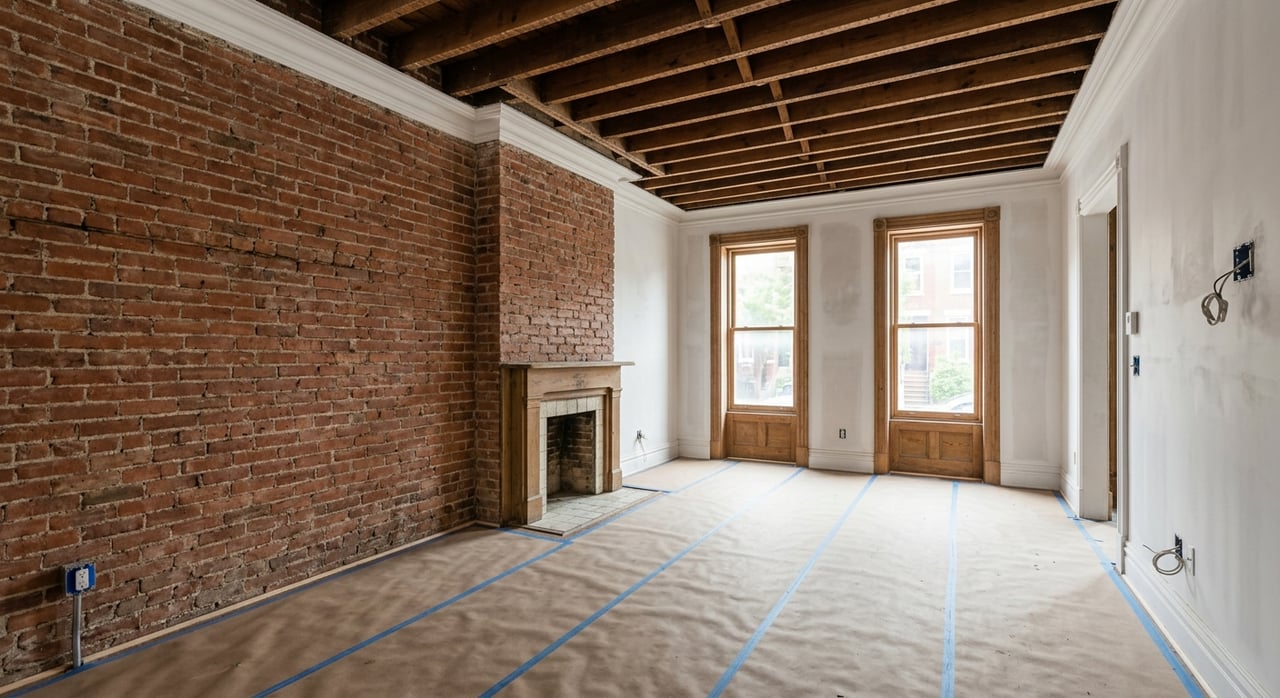
Before you get excited about design ideas, start with the building itself. In Columbia Heights, a shell or heavy fixer should first be evaluated as a construction and approval problem.
Focus your first-pass review on the foundation, roof, moisture conditions, framing, stair layout, window openings, and the condition of major systems. These issues affect not only cost, but also whether your intended layout is realistic.
A pretty finish schedule cannot solve a bad structure or an inefficient floor plan. If the bones are difficult, the project may need more capital, more time, and a bigger contingency than the purchase price first suggests.
Permits Can Reshape the Budget
In the District, permit requirements are a major part of renovation planning. The Department of Buildings requires permits for structural work and many interior alterations, including finished basements, additions, porches and decks, layout changes, HVAC, plumbing, and electrical work.
This is where scope definition matters. A project that looks like a cosmetic refresh can become a far more regulated job once walls move, systems change, or lower-level space is finished.
Construction completed without required permits is illegal. That makes it critical to understand the likely scope before demolition begins, not halfway through the project.
Historic Status Matters Early
In Columbia Heights, historic review can be another major variable. If a building is historic, the normal building-permit process still applies, but preservation review is added when exterior work affects the property’s historic character.
The city notes that historic properties cannot use postcard permits. For minor work, the Historic Preservation Office may issue expedited clearance, sometimes the same day, while more involved scopes can take up to five business days. Major alterations that significantly change important architectural features go to the Historic Preservation Review Board.
For budgeting purposes, exterior work on a historic property should be treated as a regulated approval path, not a simple design choice. That can affect schedule, consultant costs, and the amount of flexibility you have with the facade or other visible features.
Zoning Is Parcel Specific
Zoning is another early checkpoint that should never be skipped. The Office of Zoning states that the official zoning map is updated daily, and zone summaries are the reference point for permitted uses and dimensional rules.
That matters if your renovation plan depends on an addition, a conversion, or a change in use. The question is not only whether the building can be improved, but whether your intended exit strategy fits the parcel’s actual zoning path.
How to Underwrite the Opportunity
A disciplined comp strategy is one of the best ways to avoid overpaying. In Columbia Heights, start by matching the same product type first.
Compare condo to condo, rowhouse to rowhouse, and mixed-use to mixed-use. Then match bedroom count, bath count, and square footage before expanding the search radius.
Use Columbia Heights solds first. If the immediate sample is thin, test Mount Pleasant, Park View, and Pleasant Plains for added context.
If the property is a shell, look at both renovated solds and nearby unrenovated or lightly renovated product. That gives you a clearer sense of the spread between as-is value and realistic finished value.
What Buyers Tend to Reward
Recent sold data suggests that buyers in Columbia Heights pay more for homes that keep neighborhood character while delivering modern function. That often means updated kitchens, improved bath count, and flexible lower-level space that feels usable and intentional.
For condos, much of the pricing appears to live in the mid-$300,000s to mid-$600,000s depending on size and finish. Renovated rowhouses and townhouses move into the high-$600,000s and can exceed $1 million when layout, size, and presentation align.
That is why renovation decisions here should support both livability and market fit. The goal is not to create the most expensive version of the property. The goal is to create the most convincing version for its product type and buyer pool.
Keep Timing and Exit Options in View
Time can affect returns just as much as construction cost. Market-speed data in Columbia Heights ranges from about 23 to 46 days depending on source and metric, which means delays in approvals or construction can increase carry costs.
It is smart to build a contingency for time as well as money. Even a well-planned project can slow down if permit review, preservation review, or contractor coordination takes longer than expected.
It also helps to keep a rental fallback in mind. Realtor.com reports a median rent of $2,600, which suggests a meaningful rental market if the sale market softens or your timing changes.
A Practical Columbia Heights Checklist
Before you move forward on a shell or heavy fixer, run through these basics:
- Verify parcel zoning early using the official zoning map.
- Confirm whether the property has historic status and whether preservation review is likely.
- Define the renovation scope enough to know whether the job is permit-only, permit-plus-preservation-review, or a more involved HPRB-level project.
- Review recent solds by product type, not just the highest active asking prices online.
- Compare as-is condition against realistic post-renovation positioning.
- Build contingency for both budget and timeline.
- Keep a rental exit in view if your hold period may extend.
In a neighborhood like Columbia Heights, strong renovation opportunities are often hiding in plain sight. The best projects usually combine sound building fundamentals, clear approval paths, and a finished product that respects the area’s architectural character while meeting today’s expectations.
If you are weighing a shell, a value-add townhouse, or a renovation-ready condo in Columbia Heights, Ethan Carson brings local market perspective, historic property insight, and developer-savvy guidance to help you evaluate the opportunity with confidence.
FAQs
What makes Columbia Heights a good place to look for renovation opportunities?
- Columbia Heights has a large supply of older rowhouses, condo conversions, and small apartment buildings, which creates opportunities for buyers and investors who can improve urban housing stock thoughtfully.
What price range should you expect in the Columbia Heights housing market?
- Current market data places Columbia Heights broadly in the low-to-mid $600,000 range overall, but actual value depends heavily on product type, size, condition, and finish level.
What should you inspect first in a Columbia Heights shell property?
- Start with the foundation, roof, moisture conditions, framing, stair layout, window openings, and major systems, since these items can shape budget, layout options, and timeline.
What renovation work in Columbia Heights usually requires permits?
- In DC, permits are typically required for structural work and many interior changes, including finished basements, additions, porches and decks, layout changes, HVAC, plumbing, and electrical work.
Why does historic status matter for a Columbia Heights renovation?
- If a property is historic, exterior work that affects historic character may require preservation review in addition to the normal building-permit process, which can affect timing and cost.
How should you compare renovation comps in Columbia Heights?
- Start with the same product type, then match bedroom count, bath count, and square footage, using Columbia Heights first and nearby neighborhoods like Mount Pleasant, Park View, and Pleasant Plains when needed.
Is there a rental fallback for Columbia Heights investment properties?
- Yes. Current rent data reported by Realtor.com shows a median rent of $2,600, which suggests there may be a meaningful hold strategy if selling right away is not ideal.