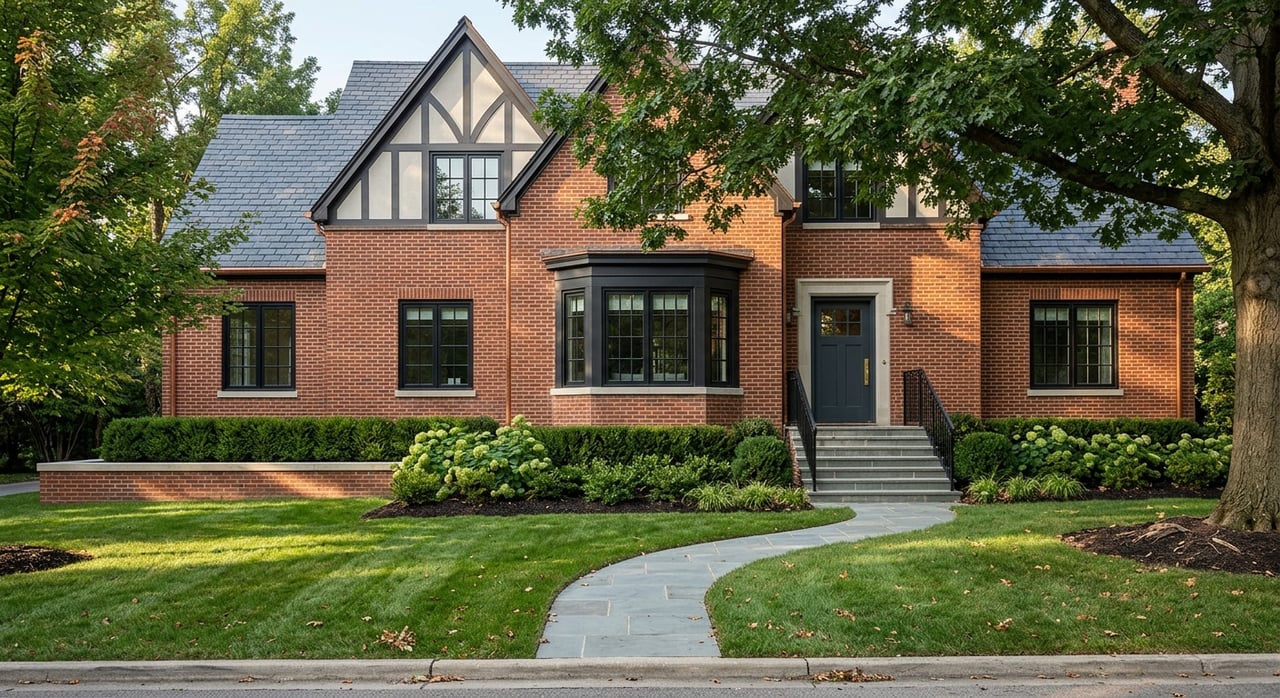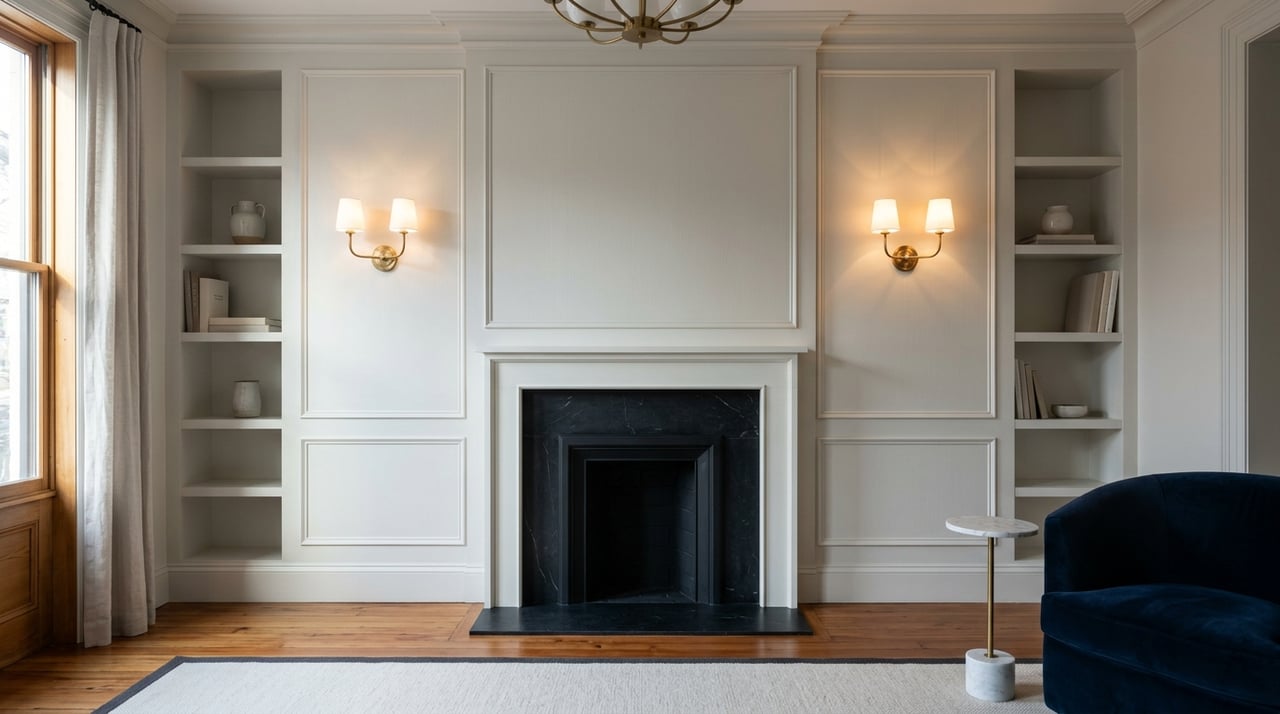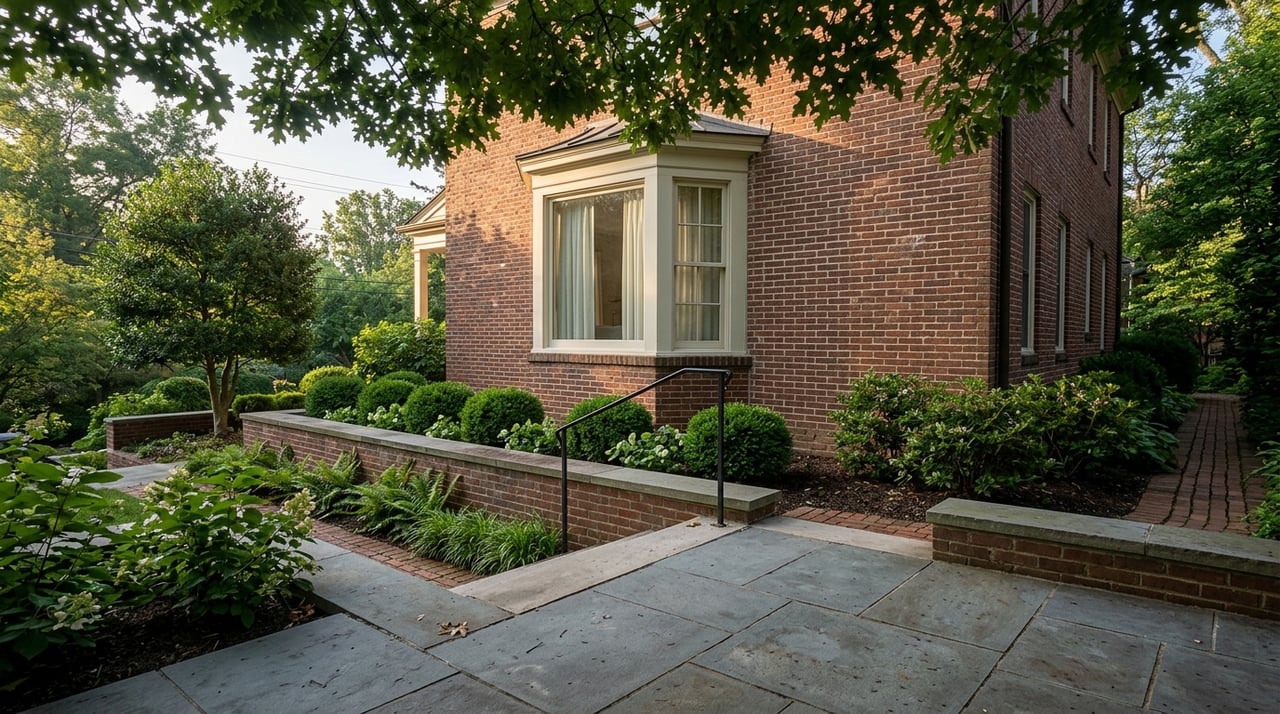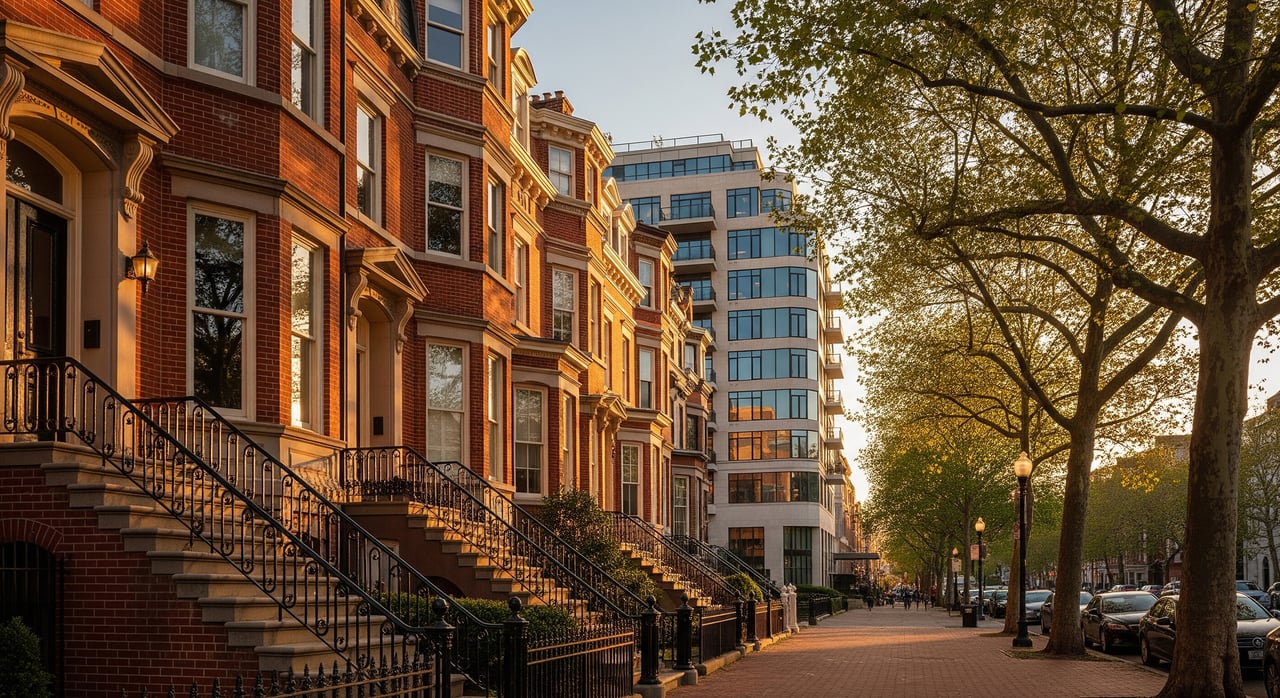
Trying to choose between a classic DC rowhouse and a full-service condo in Dupont or Logan? You are not alone. These central neighborhoods offer rich character, lively streets, and very different ways to live day to day. In this guide, you will compare layouts, maintenance, costs, and local rules so you can focus on what fits your lifestyle. Let’s dive in.
Dupont and Logan overview
Dupont Circle and Logan Circle sit in the heart of Northwest DC. They are compact, walkable, and full of restaurants, shops, embassies, and cultural spaces. Transit coverage is strong, with multiple bus lines and nearby Metro access supported by WMATA’s system. The streets are bike friendly and you will see Capital Bikeshare stations across both neighborhoods.
Large portions of these neighborhoods fall within local and National Register historic districts. In many blocks, exterior changes require review by the DC Historic Preservation Office and sometimes the Historic Preservation Review Board. That process shapes what you can do to windows, doors, materials, and rooftop additions that are visible from the street.
For day-to-day logistics, expect constrained on-street parking. Many blocks use Residential Permit Parking; check details with DDOT’s RPP program. Short-term rentals require city registration and compliance with licensing rules, outlined by the District’s former permitting portal at dcra.dc.gov.
If you want a feel for the lifestyle and events calendar, browse the Dupont Circle BID for local context.
Rowhouses: Victorian and Wardman
What to expect in layout
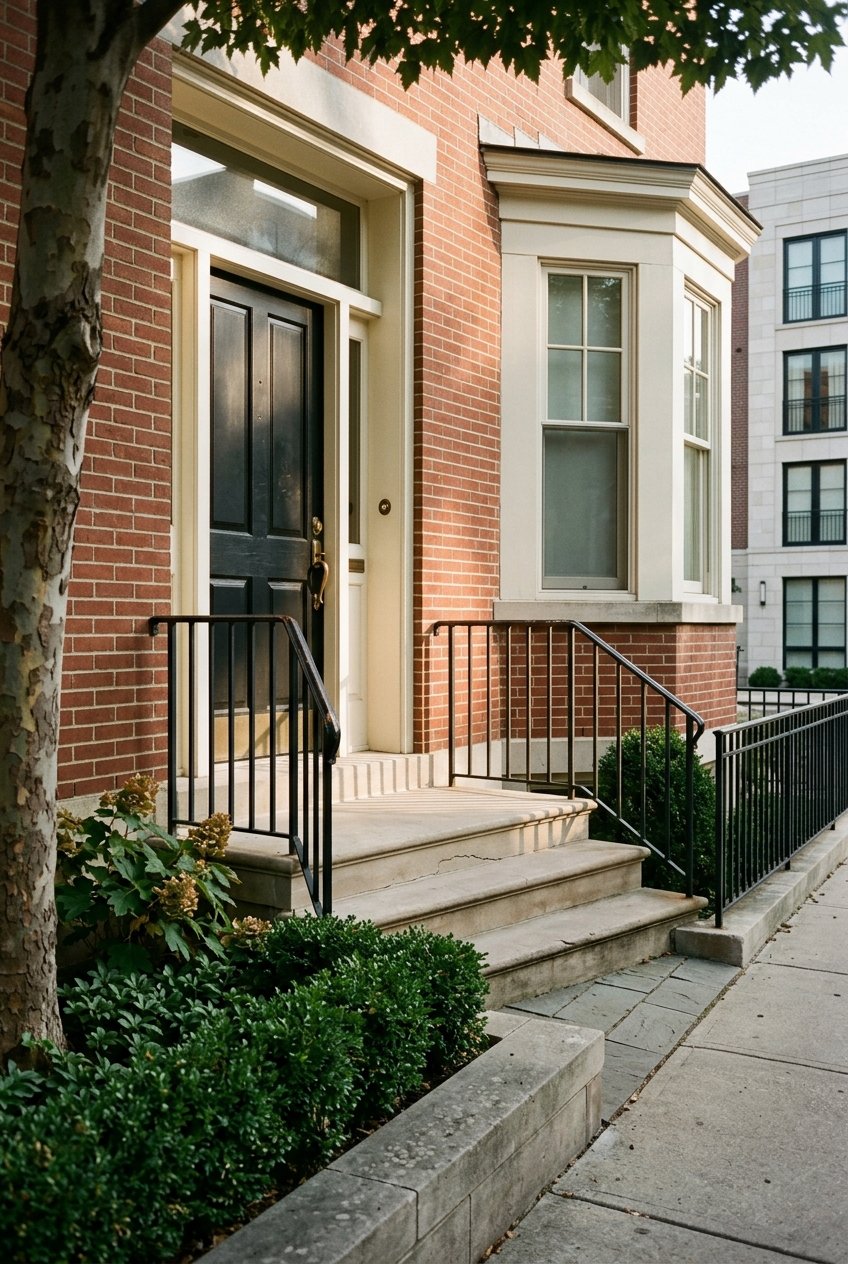
Victorian and early Wardman-era rowhouses define many Dupont and Logan blocks. You will typically find 3 to 4 levels plus a basement, tall ceilings, and period details like bay windows and decorative cornices. Kitchens often sit toward the rear or on a lower level. Finished basements are common for family rooms or rental use, and outdoor space usually means a small front stoop and a narrow rear yard or patio.
Ownership and maintenance
Most rowhouses are fee simple. You own the lot and the structure, so you also own the maintenance. That includes the roof, façade, systems, masonry, drainage, and yard. Many older systems have been upgraded over time, but you should budget for ongoing upkeep. Exterior changes in historic areas often need HPO review, especially for windows, doors, and rooftop work.
Who it fits
Choose a rowhouse if you want privacy, architectural character, and room to spread out. You should also be comfortable with stairs and with being hands on about repairs and capital projects.
Converted mansions: boutique condos
Character and layouts
Dupont, in particular, has a deep stock of historic mansions and large rowhouses that have been converted into boutique condominiums. Floorplans vary widely. You may see garden units, mid-level flats with high ceilings, and top-floor homes with unique nooks shaped by the original rooms.
Association and fees
Smaller associations often manage these buildings, sometimes owner-run and sometimes professionally managed. Amenities can be limited, though some include shared laundry, small gyms, or courtyards. Monthly fees support building systems and reserves. The quality of governance and the reserve balance matter a lot in these smaller properties.
Who it fits
Pick a conversion if you want prewar character and generous rooms without taking on exterior maintenance yourself. You will still handle in-unit upkeep, but the building manages the envelope.
Full-service condos
Amenities and convenience
Full-service and newer mid to high-rise condo buildings offer elevators, secure entry, package rooms, fitness centers, rooftop terraces, and in some cases on-site parking and storage. Many have on-site management or concierge staff. The lock-and-leave convenience is a draw if you travel or want lower weekly maintenance.
Costs and policies
Condo associations collect monthly fees to cover staffing, common-area maintenance, insurance, reserves, and sometimes utilities. Fees can be higher in buildings with more services. Some buildings set rental and investor policies, so always confirm rules prior to purchase.
Who it fits
Go full-service if you value predictability, security, and convenience over private yard space. It is popular with professionals, downsizers, and frequent travelers.
Lifestyle trade-offs at a glance
- Layout and stairs: Rowhouses deliver vertical living with separation between living and sleeping. Most condo units offer single-level living that is easier if mobility is a factor.
- Entertaining and storage: Rowhouses often have more contiguous living area and storage, including basements. Condos may trade private storage for shared entertainment spaces like a roof deck or club room.
- Outdoor space: Rowhouses offer private rear patios and potential roof decks subject to review. Condos provide shared terraces or balconies when available.
- Noise and privacy: Rowhouses can offer more privacy from hallways, though party wall noise is possible. Newer condos with quality construction can reduce sound transmission between units.
Maintenance and risk
- Rowhouses: You handle exterior and interior repairs. Plan for roof, masonry, drainage, and systems over time. Historic review can add steps for exterior work.
- Conversions: You own the unit interior while the association maintains the exterior. Association reserves and governance affect whether special assessments might be needed.
- Full-service condos: Building staff manage most exterior and common-area maintenance. Monthly fees provide predictability, and reserves should cover larger capital items.
- Insurance: Rowhouse owners typically carry homeowners policies. Condo owners carry HO-6 policies, while the association insures the common elements. For a primer on condo living, see Nolo’s overview of HOAs and condos.
Renovations and rules
If you are planning exterior changes in historic areas, expect design review with the HPO and possibly the HPRB. Condo associations also set renovation hours and contractor rules, and many limit what you can change at windows and balconies. If rental flexibility matters, check building bylaws. Citywide, short-term rentals require registration and compliance with licensing rules through resources at dcra.dc.gov.
Parking and mobility
On-street parking is limited on many blocks and often requires a Residential Permit Parking sticker. Before you buy, confirm whether a property includes a garage or alley parking and review rules through DDOT’s RPP page. Many residents rely on the bus and Metro network, which you can plan through WMATA. The local streets support biking and you will see Capital Bikeshare stations across both neighborhoods.
Costs and price positioning
In broad terms, fee simple rowhouses often carry premium pricing per unit due to land, outdoor space, and single-family flexibility. Converted mansion condos vary widely by size, character, and floor level. Full-service condos range from smaller entry units to luxury penthouses, with fees influenced by staffing and amenities. Total cost of ownership differs too. Rowhouses may have no monthly HOA fee but bring variable maintenance costs. Condos offer predictable monthly fees that cover many services.
Decision checklist
- Do you prefer single-level living or multiple floors each day?
- How important is private outdoor space versus shared roof decks or terraces?
- How many stairs are you comfortable with daily?
- Are you ready to handle exterior and structural maintenance, or do you prefer the association to manage it?
- What do monthly condo fees cover and how healthy are the reserves?
- Are there rental or short-term rental restrictions that affect your plans?
- Will planned exterior renovations require HPO or HPRB review?
- Do you need off-street parking, or is on-street RPP and transit sufficient for your routine?
Smart due diligence
- Review condo documents, reserves, recent minutes, and financial statements before committing.
- For rowhouses, order a detailed inspection with focus on foundation, roof, drainage, masonry, and systems.
- Confirm parking rights, alley access, and any easements in writing.
- Ask about past or pending special assessments and major capital projects.
- Verify city rules and building policies if you expect to rent short term.
How I help you choose with confidence
You want a home that fits your daily life and your long-term plans. I combine neighborhood-rooted expertise in historic properties with developer-savvy insight on renovations and building systems. With Compass tools and concierge-style preparation, I help you evaluate trade-offs clearly, avoid surprises, and move forward with confidence. When you are ready to tour rowhouses, conversions, and full-service buildings side by side, connect with Ethan Carson.
FAQs
What should I know about historic reviews in Dupont and Logan?
- Many blocks are within historic districts. Exterior changes often require review by the DC Historic Preservation Office and sometimes the HPRB.
How do condo fees work in full-service buildings?
- Monthly fees fund staffing, common-area maintenance, insurance, reserves, and sometimes utilities. Services and staffing level drive fee size.
Is parking difficult in Dupont and Logan?
- On-street parking is limited and often regulated through Residential Permit Parking. Review rules and eligibility on DDOT’s RPP page.
Can I operate a short-term rental in these neighborhoods?
- DC allows short-term rentals with registration and licensing. Confirm city requirements and building policies through resources at dcra.dc.gov.
How accessible are Metro and buses in Dupont and Logan?
- Transit access is strong with nearby bus routes and Metro stations serving both areas. Plan trips and maps via WMATA.