Trying to choose between a rowhouse and a condo in Dupont Circle or Logan Circle? It is a common question, and in these two neighborhoods, the answer is rarely just about square footage. You are balancing budget, upkeep, historic character, and future flexibility in two of Washington’s most established urban settings. This guide will help you compare the tradeoffs clearly so you can decide what fits your life and your long-term goals. Let’s dive in.
Dupont and Logan at a glance
Dupont Circle and Logan Circle share a lot of the qualities buyers want most in central DC. Both are historic neighborhoods with strong walkability, easy transit access, and a built environment shaped by classic Washington architecture.
They also have slightly different development patterns. According to DC planning materials, Logan Circle became a sought-after address after the Civil War with substantial row houses and later small apartment buildings, while the Dupont Circle area followed a path that included large stand-alone residences and later apartment buildings. That history still shows up today in the housing choices you will see on the market.
From a day-to-day lifestyle standpoint, both neighborhoods are highly connected. Current market snapshots show Dupont Circle with a Walk Score of 98, Transit Score of 87, and Bike Score of 96. Logan Circle is similarly strong, with scores of 96, 90, and 95.
Transit is also part of the appeal. WMATA identifies Dupont Circle station as a Red Line station with bike facilities and no parking, and DC’s Near Northwest planning documents describe 14th Street NW as one of the District’s most vibrant areas for dining, arts, and shopping. If your priority is an urban lifestyle where errands, restaurants, and commuting options are close at hand, both neighborhoods deliver.
What a rowhouse usually offers
A rowhouse often gives you more control over your property. You are usually making decisions about the building itself, rather than sharing them with a condo board or association. For many buyers, that sense of ownership and autonomy is a major plus.
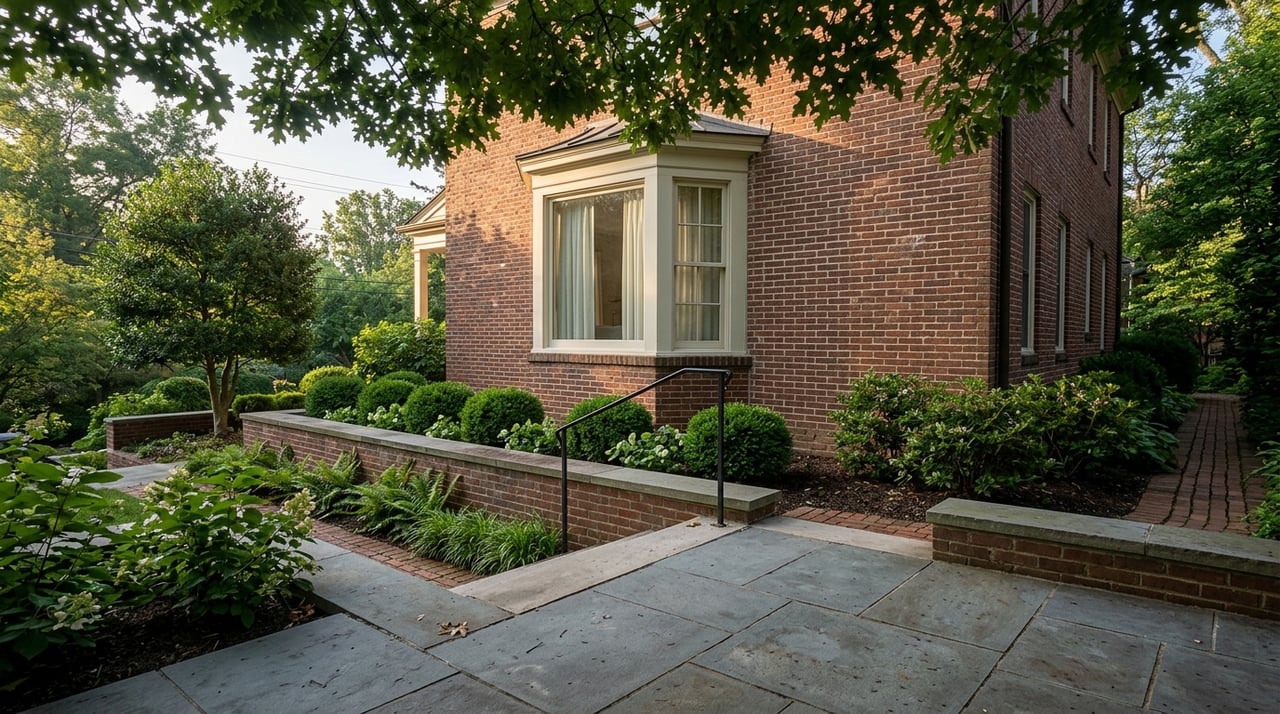
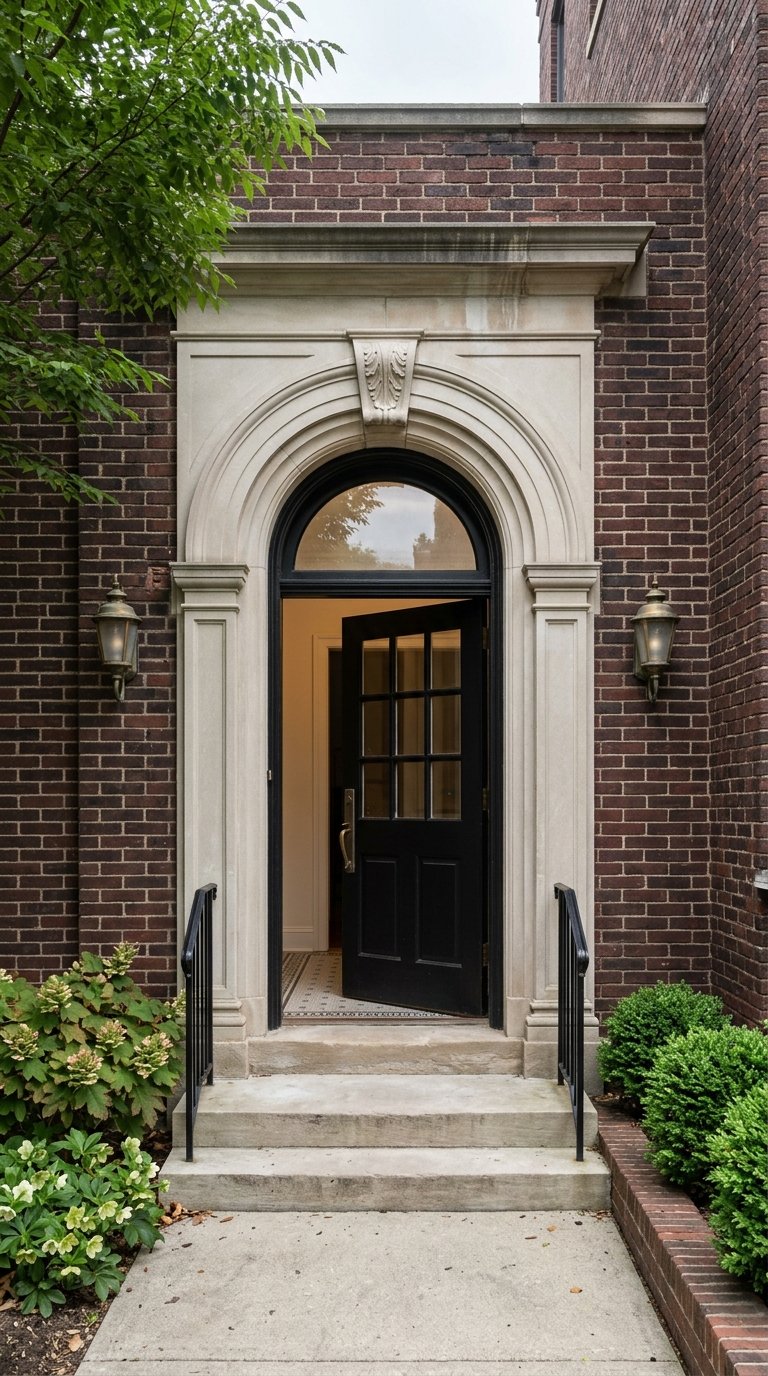
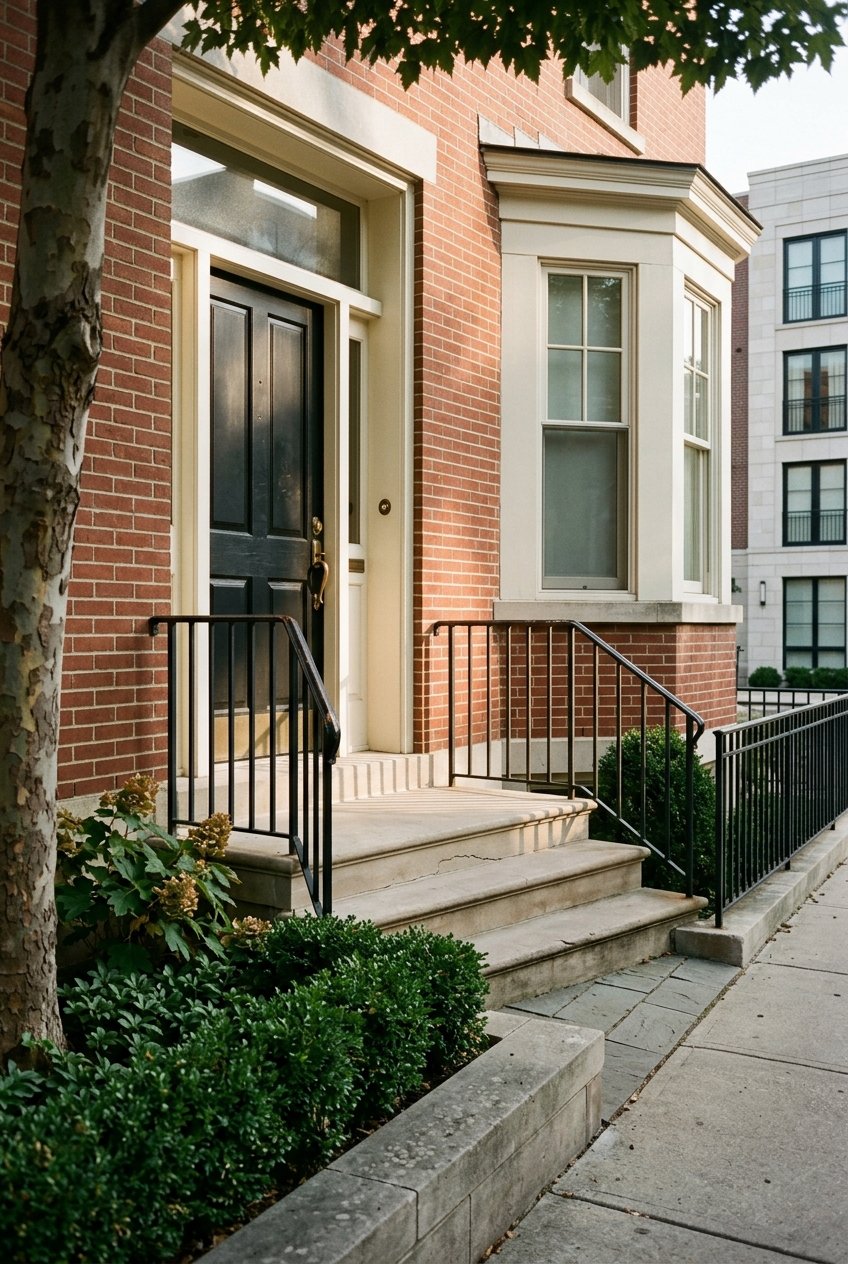
You may also get more space and a stronger connection to the neighborhood’s historic character. In Logan Circle especially, substantial row houses are a defining part of the streetscape. In both neighborhoods, rowhouses can offer the kind of architectural presence that draws buyers to central DC in the first place.
That said, more control usually means more responsibility. Repairs, replacements, and ongoing maintenance often fall directly on you, and that can affect both your monthly budget and your time after closing.
What a condo usually offers
A condo is often the easier choice if you want lower day-to-day maintenance. Condo fees commonly cover general repairs and maintenance for exteriors and common areas, and they often include items like water, sewer, trash, and sometimes insurance or reserve funding.
For buyers who value convenience, that can be a real advantage. You may have fewer building-related decisions to manage yourself, and in some buildings, amenities are part of the package as well.
The tradeoff is that you are sharing responsibility through the association. Your monthly cost does not stop with the mortgage, and the health of the building’s finances can affect your ownership experience and your future resale value.
Historic rules matter more with rowhouses
In Dupont and Logan, historic district rules are an important part of the decision. The Logan Circle Historic District was designated in 1972, and the Dupont Circle Historic District followed in 1976. That historic status helps preserve neighborhood character, but it can also shape what owners can change.
If you buy a rowhouse, it is smart to think ahead about any exterior work you might want to do. DC planning guidance says routine exterior maintenance and some interior alterations may be exempt from preservation review, but visible roof additions or decks, front alterations, front or side additions, porch enclosures, and substantial rear additions may require review.
That does not mean a rowhouse is the wrong choice. It simply means your future plans should be part of your due diligence. If you love the idea of stewarding a historic home, the added review process may feel worth it. If you want maximum flexibility for visible exterior changes, it is something to weigh carefully.
Monthly cost is more than the mortgage
One of the biggest mistakes buyers make is comparing only purchase price or mortgage payment. A better approach is to look at the total monthly housing cost.
That total can include principal, interest, property taxes, mortgage insurance, homeowner’s insurance, supplementary insurance, HOA or condo fees, utilities, and expected maintenance and repairs. In practical terms, a lower-priced condo with a significant monthly fee may feel different from a more expensive rowhouse with fewer shared fees but more direct maintenance obligations.
This is where your own habits matter. If you prefer predictable monthly costs, a condo may feel easier to manage, even if the fee is substantial. If you are comfortable setting aside reserves for repairs and handling projects as they come, a rowhouse may fit better.
Current pricing shows a clear split
Recent listing snapshots point to a noticeable price gap between condos and townhouses in both neighborhoods. In Dupont Circle, current listings show 79 condos for sale at a median listing price of $432,000 and 18 townhouses at $2.1 million.
In Logan Circle, there are currently 101 condos at a median listing price of $550,000 and 50 townhouses at $1.18 million. That suggests condos offer a lower entry point and more inventory, while rowhouses are scarcer and priced at a much higher level.
For buyers, that matters in two ways. First, condos may open the door to these neighborhoods at a more accessible price point. Second, rowhouses operate in a smaller, more limited slice of the market, where scarcity can support value but also narrow the pool of future buyers.
Resale depends on more than property type
If you are thinking ahead to resale, property type is only part of the picture. Market pace and property-specific condition matter too.
Recent sale data show a slower pace than the year before. Dupont Circle’s median sale price is reported at $525,000 with 111 days on market, down 15.5 percent year over year. Logan Circle’s median sale price is $835,000 with 95 days on market, down 7.2 percent year over year.
For condos, building health plays an especially important role. Association decisions can affect property values, so reserves, special assessments, insurance coverage, and overall financial condition deserve close attention. A well-run building can support resale confidence, while deferred maintenance or weak finances can make resale more difficult.
For rowhouses, future resale often connects to condition, location within the neighborhood, and how well the home’s character has been preserved or updated. Buyers in these neighborhoods often care deeply about provenance, architectural integrity, and the quality of improvements.
Condo due diligence checklist
If you are leaning toward a condo, your review should go beyond the unit itself. The building and association are part of what you are buying.
Key questions to ask include:
- What does the condo fee cover?
- How strong is the reserve fund?
- Are there any special assessments?
- Are there pending lawsuits or major building issues?
- What does the master insurance policy cover?
- What modifications are allowed inside the unit?
- What is the remaining useful life of major building components?
Lenders also look at the physical condition of the community, its financial stability, structural debt, lawsuits, and required inspections. In other words, a condo purchase is partly a financial review of the association as well as a property review of the home itself.
Rowhouse due diligence checklist
If you are leaning toward a rowhouse, your questions should focus on condition, maintenance planning, and historic review implications. In these neighborhoods, that can be just as important as the floor plan.
Start with questions like these:
- What exterior work has already been done, and when?
- What repairs or replacements are likely in the near term?
- Do any planned exterior changes require historic review?
- Are roof additions, decks, porches, or front-facing changes part of your long-term vision?
- Is your budget still comfortable after accounting for ongoing maintenance?
A rowhouse can be deeply rewarding, especially if you value space, history, and control. But it usually works best when you go in with a realistic plan for stewardship and reserves.
Which choice fits your lifestyle?
A condo is usually the better fit if you want convenience, a lower entry price, and more predictable upkeep. In Dupont and Logan, that can be especially appealing if your schedule is full and you want to spend more time enjoying the neighborhood than managing the building.
A rowhouse is often the better fit if you want more space, more control, and a stronger connection to the historic fabric of the area. If you appreciate classic DC architecture and are comfortable with maintenance and preservation constraints, the experience can be very rewarding.
Neither option is automatically better. The real question is how much time, cash reserve, and project appetite you want to carry after closing. When you answer that honestly, the right path usually becomes much clearer.
In neighborhoods like Dupont Circle and Logan Circle, the best purchase is not just the one that looks good on paper. It is the one that fits how you want to live, what kind of ownership experience you want, and how you see yourself using the property over time. If you want a grounded, neighborhood-specific perspective as you compare options, Ethan Carson can help you weigh the tradeoffs with a clear eye on character, condition, and long-term fit.
FAQs
Should I buy a condo or rowhouse in Dupont Circle?
- If you want a lower entry price and less day-to-day maintenance, a condo is often the better fit. If you want more space, more control, and are comfortable with upkeep and historic district rules, a rowhouse may be the better choice.
Are condo fees in Logan Circle worth it?
- They can be, depending on what they cover. Condo fees often pay for exterior and common-area maintenance, and may include water, sewer, trash, insurance, or reserves, so it is important to compare the full monthly cost rather than just the mortgage.
Do rowhouses in Dupont or Logan face historic review?
- They can. In these historic districts, some exterior work such as visible roof additions, decks, front alterations, porch enclosures, and certain additions may require review, while routine maintenance and some minor work may be exempt.
Is inventory better for condos or rowhouses in Dupont and Logan?
- Current listing snapshots show more condo inventory than townhouse inventory in both neighborhoods. That gives condo buyers more options, while rowhouses are scarcer and usually more expensive.
What should I review before buying a condo in Washington, DC?
- You should review what the fee covers, reserve strength, special assessments, insurance, allowed modifications, major component life, and any legal or financial issues involving the association.
What should I budget for when buying a rowhouse in Logan or Dupont?
- Budget for the full monthly cost, including mortgage-related expenses, taxes, insurance, utilities, and ongoing maintenance and repairs. If you may want exterior changes later, factor in possible historic review requirements too.