If your idea of waterfront living includes a busy boardwalk and rows of high-rises, Palisades may surprise you. Here, the water shapes daily life in a quieter way, through bluff-top streets, trail access, green space, and the steady pull of the Potomac nearby. If you are trying to picture what it actually feels like to live here, this guide will help you understand the rhythm of the neighborhood and why Palisades feels so distinct in Washington. Let’s dive in.
What the Palisades waterfront really means
In Palisades, “waterfront” is less about a continuous promenade and more about access, landscape, and routine. The neighborhood sits along the Potomac River in Northwest Washington, between Key Bridge and Chain Bridge, with a bluff-top setting that gives the area a green, tucked-away feel.
That matters because everyday life here is shaped by what is nearby, not by spectacle. You are more likely to start your day on a trail, stop for coffee on MacArthur Boulevard, and end it with dinner close to home than spend time in a large entertainment district.
A residential setting with a village feel
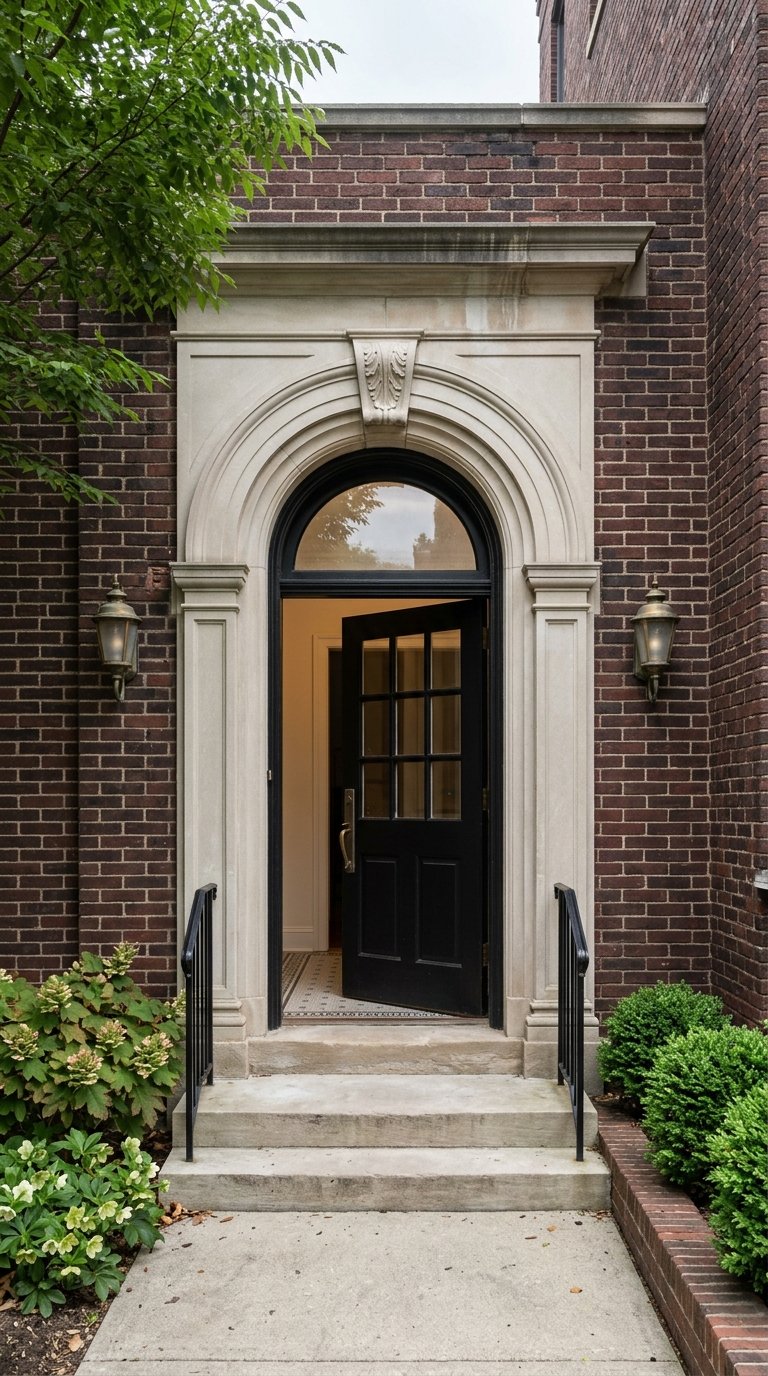
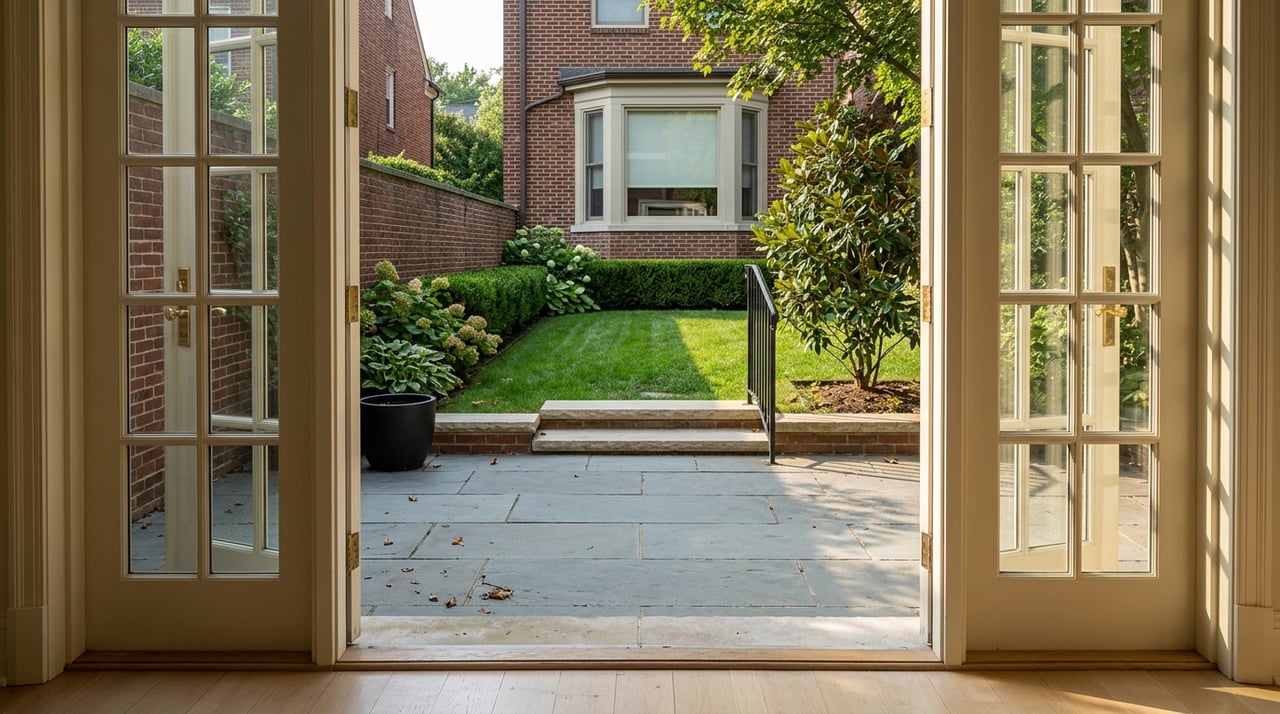
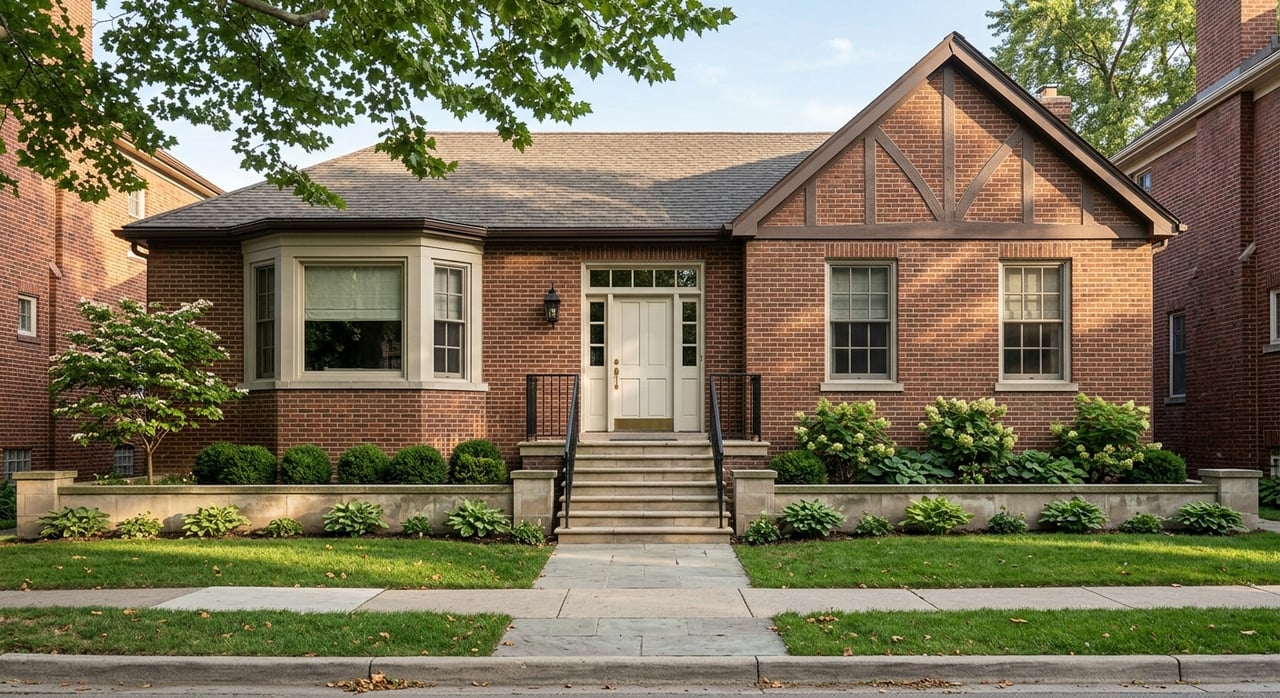
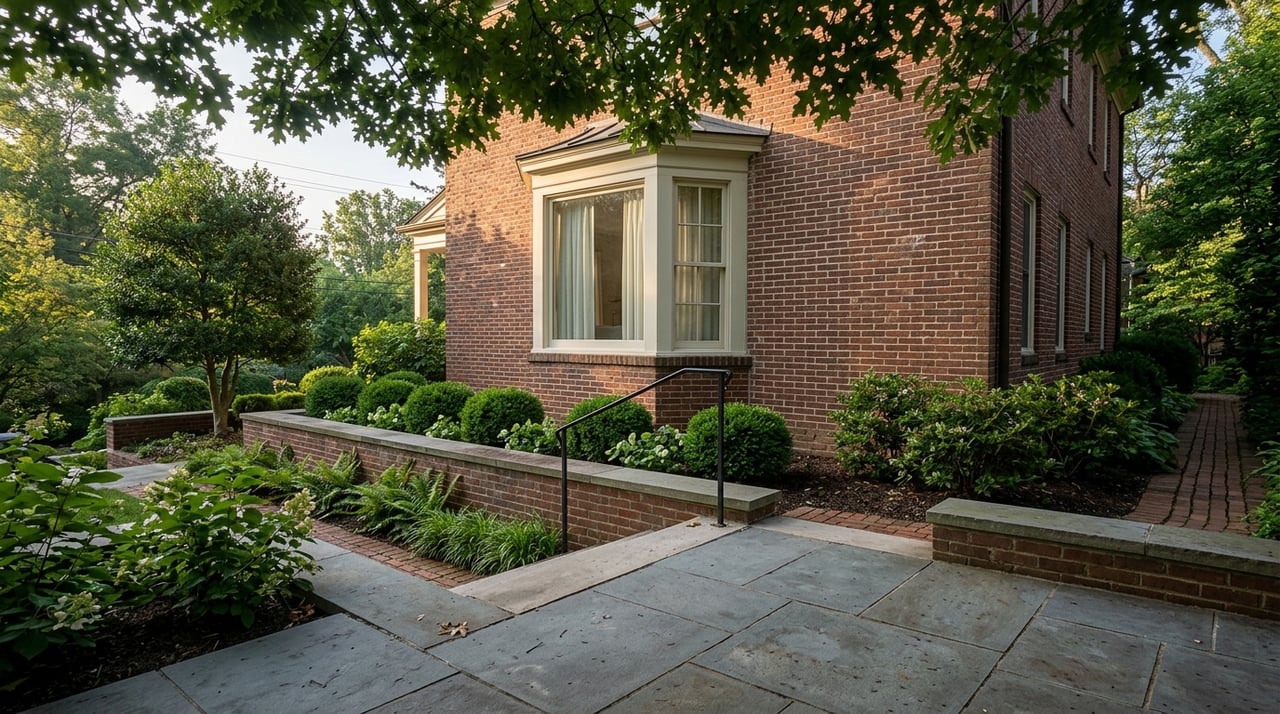
Palisades is a relatively low-density neighborhood with a residential character. The area is still made up primarily of detached single-family homes, with a smaller number of low-rise apartment buildings along MacArthur Boulevard.
That housing pattern helps explain the atmosphere. Streets feel quieter, green space is part of the identity, and the commercial core serves the neighborhood in a practical, local way rather than acting like a regional retail hub.
MacArthur Boulevard sets the pace
MacArthur Boulevard NW is the neighborhood’s main commercial spine, with Foxhall Road NW also part of the Palisades Main Street area. The corridor was formalized through the Main Street program to support it as a walkable place to live, shop, and invest.
For you as a resident or buyer, that means daily convenience tends to cluster around a compact core. Instead of needing to leave the neighborhood for every errand or meal, you have a small but useful mix of coffee shops, restaurants, and community stops close at hand.
Trails shape the daily rhythm
The clearest defining feature of life along the Palisades waterfront is the trail network. The C&O Canal Towpath is a year-round backbone for biking, hiking, fishing, birding, and boating access, and it connects into a much longer regional route.
This gives the neighborhood a different kind of waterfront identity. Rather than gathering around a single park or plaza, many routines revolve around movement, open air, and access to the river corridor.
The C&O Canal Towpath in everyday life
For many people, the towpath is the feature that makes Palisades feel special. It offers an easy way to fit outdoor time into an ordinary day, whether that means a morning walk, a bike ride, or a weekend outing near the water.
Because it is open year-round, it supports routine more than novelty. That consistency is part of the appeal if you value a neighborhood where outdoor access is built into the landscape.
Fletcher’s Cove is the local water access point
Fletcher’s Cove is one of the most important nearby access points for experiencing the Potomac. Located near Mile Marker 3.1 by Georgetown, it offers seasonal boat and bike rentals and connects visitors to the towpath and Capital Crescent Trail.
This is one of the best examples of what “waterfront” looks like here in practical terms. It is water-adjacent, recreation-oriented, and deeply tied to trails rather than a retail-lined shoreline.
Parks and green corridors add depth
Palisades is not defined by the river alone. The neighborhood’s green edge also includes Battery Kemble Park and the Palisades Trolley Trail, both of which reinforce the area’s connection to outdoor space and historic routes.
Battery Kemble Park sits within Rock Creek Park and includes visible Civil War earthworks. The Palisades Trolley Trail follows the former Glen Echo trolley line corridor, which adds another layer to the neighborhood’s identity as a place shaped by walking, biking, and long-standing landscape patterns.
Community life happens close to home
One of the most appealing parts of Palisades is that daily life feels grounded in recurring local habits. The neighborhood has a strong pattern of community anchors rather than a destination-driven retail scene.
That creates a lifestyle that feels steady and connected. You are not choosing Palisades for constant activity at all hours. You are choosing it for a neighborhood where familiar places and repeat routines help shape a sense of place.
The farmers market as a weekly ritual
The Palisades Farmers Market runs year-round on Sundays from 9 a.m. to 1 p.m. at 48th Place NW and MacArthur Boulevard. It is described as a grower’s-only market with seasonal produce, flowers, baked goods, and more.
That kind of weekly ritual says a lot about the neighborhood. It gives residents a recurring place to gather and adds a simple rhythm to weekends that feels local and lived-in.
Everyday anchors beyond the market
The Palisades Community Center adds another layer of convenience and activity. It includes a fitness center, gym, ball fields, playground, splash park, and tennis courts, making it a practical part of neighborhood life for many households.
The Palisades Neighborhood Library branch offers a quieter kind of daily value, with study rooms, public computers and printing, voter registration, and events. Together, these spaces round out the area in a way that supports both active and everyday routines.
Dining and coffee stay neighborhood-scaled
Palisades has a business mix that feels local-serving and easy to use. Along MacArthur Boulevard, neighborhood options include Black Coffee, Et Voila, Lupo Verde, and BlackSalt.
That variety matters because it supports the kind of lifestyle many buyers want. You can grab coffee, meet someone for brunch, or plan a dinner nearby without the corridor feeling overbuilt or overly commercial.
Why the neighborhood feels so local
The retail character of Palisades is tied to how the corridor functions. Businesses along MacArthur and Foxhall benefit more from nearby residents and moderate traffic than from office-worker foot traffic, which helps keep the area neighborhood-oriented.
That dynamic shows up in the day-to-day experience. The commercial streets feel designed to serve people who live nearby, which is a big part of why Palisades reads as practical, walkable, and village-like.
What a typical day can look like
A realistic Palisades day often starts outdoors. You might head to the towpath for a walk or bike ride, then stop along MacArthur Boulevard for coffee or brunch.
Later in the day, you may swing by the farmers market, the library, or the community center before returning home. In the evening, having dinner within the neighborhood core is part of what makes the area feel easy and self-contained.
Who Palisades tends to appeal to
Palisades often resonates with buyers who want a residential setting with strong outdoor access and a clear neighborhood identity. It can be especially appealing if you value green space, local businesses, and a day-to-day pace that feels more grounded than high-energy.
It also stands out for people who want Washington access without feeling surrounded by a dense urban environment every hour of the day. The combination of river adjacency, trails, and a compact main corridor gives Palisades a lifestyle that is hard to replicate elsewhere in the city.
Why lifestyle matters in a home search
When you are buying a home, square footage and finishes matter, but so does the texture of everyday life. In Palisades, that texture comes from the Potomac edge, the towpath, the neighborhood businesses, and the routines that happen again and again throughout the week.
That is why this neighborhood often leaves such a strong impression. It offers a version of waterfront living that feels calm, practical, and deeply tied to place.
If you are exploring Northwest Washington and want help understanding how neighborhoods actually live day to day, Ethan Carson can help you compare the details that turn a good fit into the right one.
FAQs
What does waterfront living in Palisades actually look like?
- In Palisades, waterfront living usually means bluff-top surroundings, trail access, and nearby river recreation at places like Fletcher’s Cove rather than a continuous retail promenade.
What outdoor amenities are near the Palisades waterfront?
- The area is shaped by the C&O Canal Towpath, Fletcher’s Cove, Battery Kemble Park, and the Palisades Trolley Trail, all of which support walking, biking, and outdoor time.
What is the main commercial area in Palisades?
- MacArthur Boulevard NW is the main neighborhood corridor, with Foxhall Road NW also part of the Palisades Main Street area.
What community spots do Palisades residents use regularly?
- Common neighborhood anchors include the Palisades Farmers Market, the Palisades Community Center, and the Palisades Neighborhood Library branch.
What kind of neighborhood is Palisades in Washington, DC?
- Palisades is a low-density, primarily residential Northwest Washington neighborhood with green space, quiet streets, and a locally oriented commercial core.