Looking for a D.C. neighborhood that feels historic, connected, and close to nature all at once? Woodley Park often stands out for exactly that reason. If you are trying to decide whether its older homes, Metro access, and park-side setting match your day-to-day life, this guide will help you weigh the tradeoffs with more confidence. Let’s dive in.
What Woodley Park Feels Like
Woodley Park has a distinct rhythm that blends city access with a more residential backdrop. DC planning materials describe it as a village-like Ward 3 neighborhood with a commercial core along Connecticut Avenue, denser apartment and townhouse clusters nearby, and more single-family homes farther out.
That pattern matters when you picture daily life. Around the Metro and zoo, the neighborhood feels more active and urban. As you move north of Woodley Road, the setting shifts toward a quieter residential feel with more setbacks, front stoops, and vegetation.
Historic Character Shapes the Neighborhood
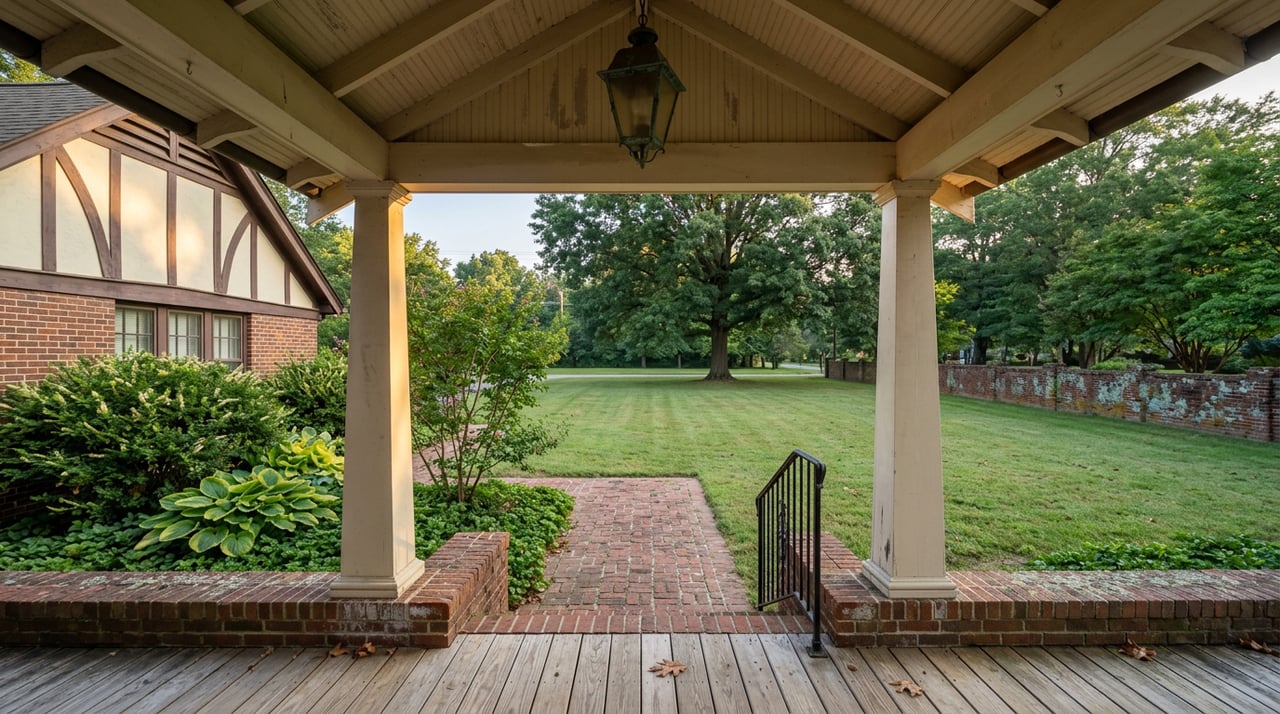
If you are drawn to homes with architectural texture and a sense of history, Woodley Park offers a strong identity. The Woodley Park Historic District was designated in 1990, and its period of significance runs from 1905 to 1938.
The neighborhood was originally platted in the 1870s but developed largely in the early 20th century. Today, that history still shows up in the streetscape, especially in the rows of houses set within a park-like environment.
Common Home Styles
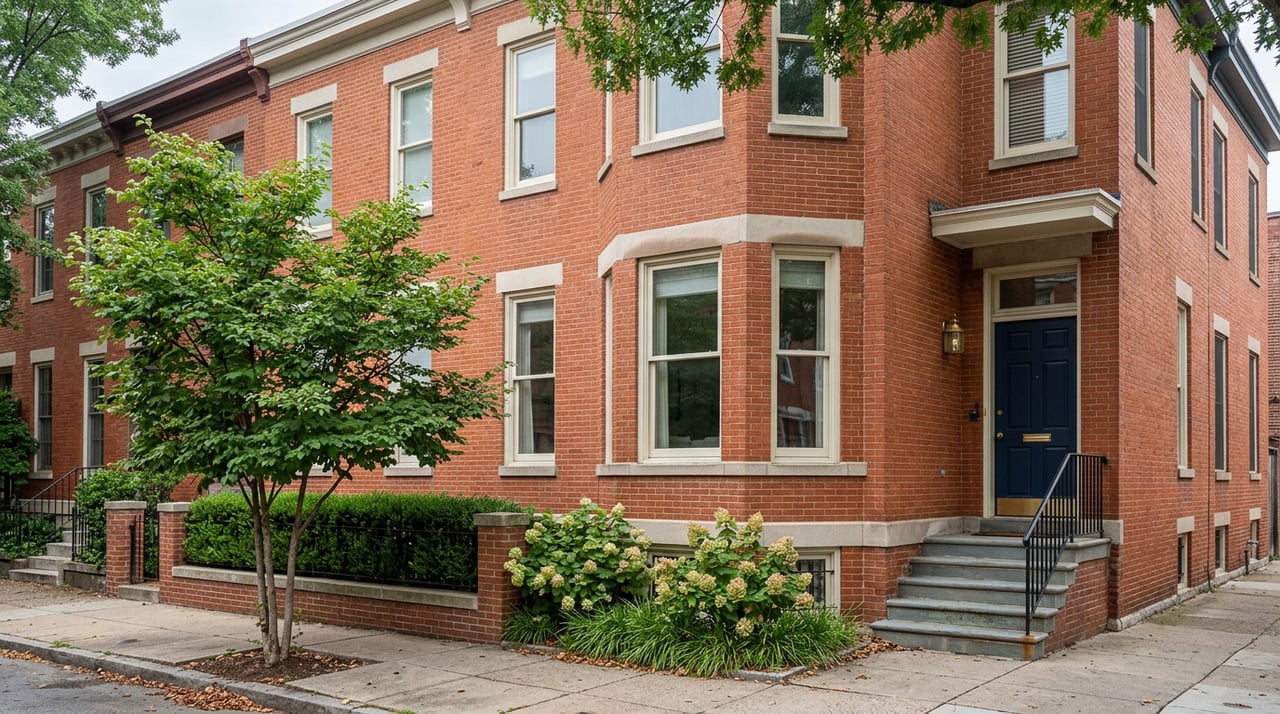
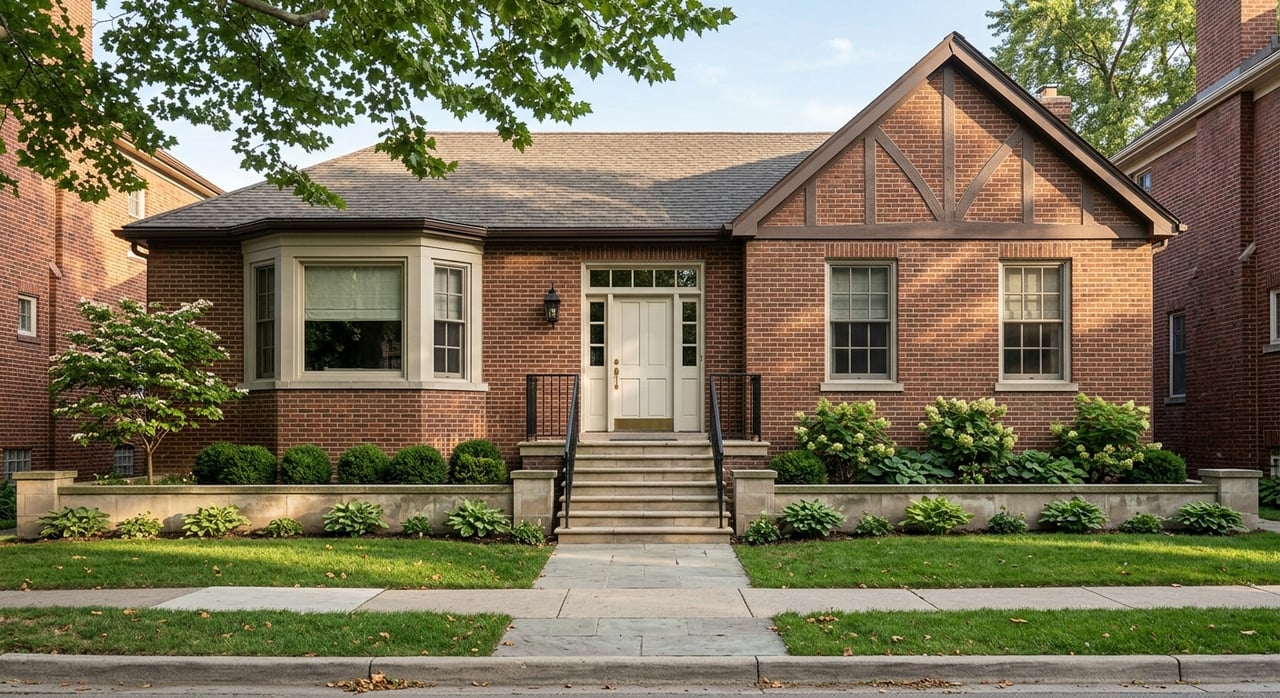
According to district inventory and design guidance, rowhouses make up the overwhelming portion of the housing stock in the historic district. Flat-fronted classical styles are common, along with front porches and light-toned exterior materials.
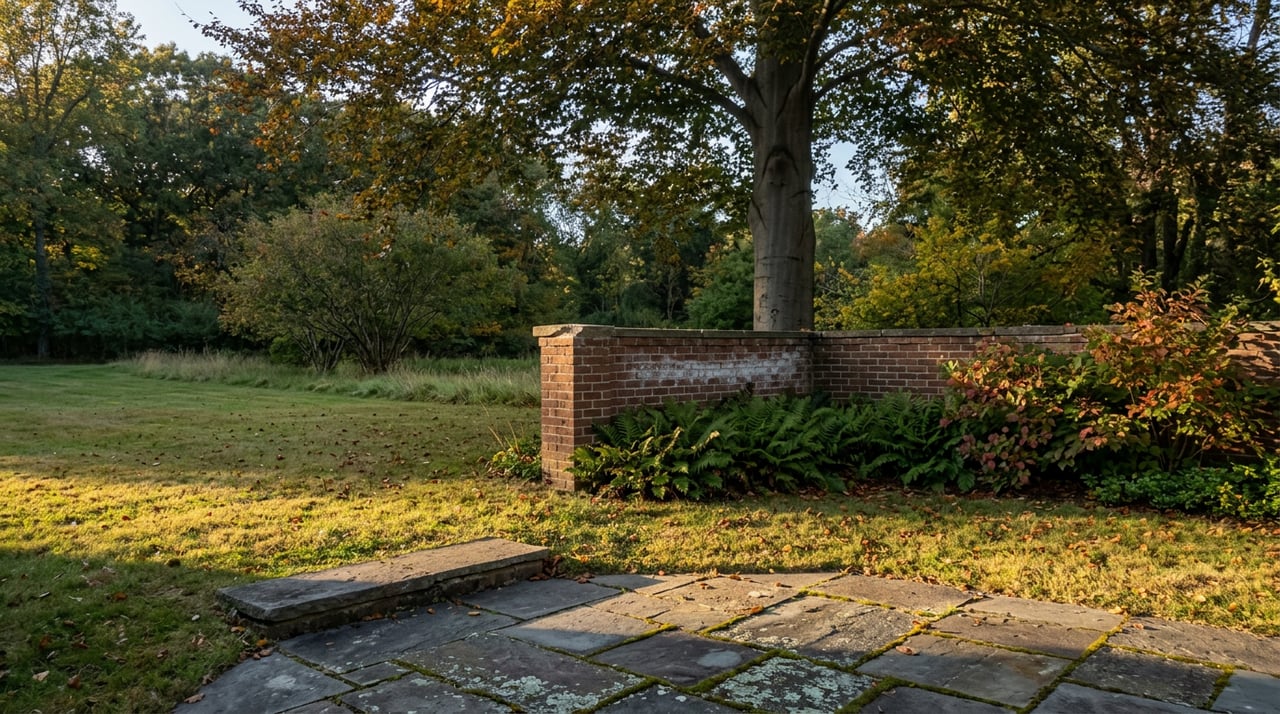
Those details are not just cosmetic. Front setbacks and the greensward in front of many homes are considered defining neighborhood features, which helps give Woodley Park a softer, more landscaped look than some denser urban corridors.
Connecticut Avenue Changes the Scale
Not every part of Woodley Park looks or feels the same. Planning documents show that the main commercial stretch between Woodley Road and Calvert Street includes two- to four-story commercial buildings with storefront activity at street level.
North of Woodley Road, the scale becomes more residential. West of 24th Street, you also see higher-rise residential buildings, and near the Metro there are larger multi-family buildings such as Wardman Tower and Calvert House Apartments.
Who Usually Likes Woodley Park
Woodley Park tends to appeal to buyers who want historic architecture, walkability, transit access, and direct access to green space. It is especially compelling if you value a neighborhood that feels established and layered rather than new or highly polished.
You may find it a strong fit if you want to:
- Live near the Red Line
- Walk to dining and daily errands along Connecticut Avenue
- Be close to Rock Creek Park and the National Zoo
- Own a home with visible historic character
- Enjoy a neighborhood with both local activity and residential blocks nearby
For buyers who care about place and provenance, Woodley Park has a lot of substance. It offers a version of D.C. living where architecture, landscape, and transit all play a visible role.
Transit and Daily Practicality
Woodley Park is well positioned for car-light living. The Woodley Park station is on the Red Line, and WMATA lists bike racks, bikeshare access, and an accessible entrance at Connecticut Avenue and Woodley Road.
One practical detail matters right away: WMATA does not list daily parking at the station. If your routine depends on easy Metro parking, that may be a drawback.
A Better Fit for Transit-Oriented Households
For many residents, the neighborhood’s value comes from being able to move around without relying heavily on a car. Metro access, bus service, and walkability make Woodley Park feel convenient for households that prioritize transit.
That does not mean every trip is effortless. It does mean the neighborhood is better aligned with buyers who are comfortable building daily life around rail, bus, and walking.
Zoo Traffic Affects the Experience
Woodley Park is also the best Metro station for many zoo visitors, according to WMATA. The Smithsonian notes that the zoo’s main pedestrian entrance on Connecticut Avenue sits about halfway between the Woodley Park-Zoo/Adams Morgan and Cleveland Park stations, with the walk from Woodley Park being moderately uphill.
The D70 bus stops directly in front of the zoo entrance, which adds another layer of access. At the same time, visitor traffic helps shape the feel of the neighborhood around the station and main corridor, especially on busy days.
Outdoor Access Is a Major Draw
For many buyers, this is where Woodley Park becomes especially compelling. The neighborhood sits directly beside Rock Creek Park, a 1,754-acre city park that the National Park Service says offers fresh air, recreation, hiking, biking, and more than 32 miles of trails and paths.
That kind of access changes how a neighborhood lives. If you like the idea of stepping out for a walk, ride, or trail break without leaving the city, Woodley Park has a real advantage.
Park and Zoo Energy
The National Zoo also adds a unique outdoor presence to the area. DC public-life research identifies the zoo entrance as a pedestrian gathering point and found that Woodley Park sees 63% more pedestrian movement on weekends than on weekdays.
Most of that activity concentrates around the zoo and station from late morning through late afternoon. So if you love lively outdoor energy, that can be part of the appeal. If you prefer a more consistently quiet streetscape, it is worth thinking through carefully.
Connecticut Avenue Street Life
Connecticut Avenue is the neighborhood’s main commercial core. Planning documents describe a corridor with ground-floor storefronts, restaurants, neighborhood-serving retailers, outdoor seating, and generous sidewalks in parts of the strip.
There is also a retail cluster directly across from the zoo entrance, which adds to the neighborhood’s active, public-facing character. For residents, that means you are not living in a purely residential enclave. You are living near a corridor with visible daily and weekend activity.
Lively, but Not Always Spacious
Woodley Park’s street life comes with tradeoffs. Planning materials note narrow sidewalk segments, pinch points near transit and the zoo, and some aging sidewalk conditions.
That does not erase the convenience of the corridor. It simply means the pedestrian experience can feel busy and compressed in some spots, particularly where visitor traffic and local movement overlap.
Renovation Considerations for Buyers
If you are thinking about buying an older rowhouse or townhouse and making visible changes, Woodley Park’s historic framework deserves close attention. District design guidelines emphasize preserving street-facing character, front porches, setbacks, and the open greensward in front of homes.
Front additions are discouraged under those guidelines. In practical terms, that makes Woodley Park especially attractive if you appreciate historic integrity and less ideal if you want broad flexibility for major exterior expansion.
Why This Matters Before You Buy
For the right buyer, this is a strength rather than a limitation. Preservation standards help maintain the neighborhood’s visual consistency and architectural story.
Still, if your plan includes significant exterior changes, it is smart to understand that context early. In a neighborhood where character is part of the value, those details matter.
When Woodley Park May Not Be the Best Fit
Every neighborhood has tradeoffs, and Woodley Park is no exception. Based on current planning and transit information, it may be less ideal if you need easy daily parking, broad sidewalks throughout the neighborhood, or a lower-traffic main corridor.
You may want to think twice if you strongly prefer:
- Easy station parking for daily commuting
- A quieter commercial strip with less visitor activity
- Wide sidewalks in every part of the neighborhood
- A more flexible setting for exterior home expansion
- A newer housing stock with fewer historic constraints
None of these points make Woodley Park better or worse in a general sense. They simply help clarify whether its character aligns with how you actually want to live.
So, Is Woodley Park Right for You?
Woodley Park is a strong match if you want a neighborhood with architectural history, Red Line access, a compact commercial core, and immediate proximity to one of D.C.’s signature park landscapes. It offers a layered version of city living that feels both residential and connected.
It is less natural for buyers who want parking convenience, a low-traffic streetscape, or maximum freedom to reshape a historic exterior. The key is knowing whether you are drawn to Woodley Park for the same reasons that define it.
If you are comparing Woodley Park with other D.C. neighborhoods, the most helpful next step is to view it block by block, not just headline by headline. If you want help thinking through fit, home style, or renovation potential in historic D.C. neighborhoods, Ethan Carson can help you read the details behind the address.
FAQs
Is Woodley Park in DC a good fit for buyers who want historic homes?
- Yes. Woodley Park is known for its early 20th-century housing stock, especially rowhouses with classical styling, front porches, and a strong historic streetscape.
Is Woodley Park in DC convenient for Metro commuters?
- Yes. The neighborhood is served by the Red Line at Woodley Park station, but WMATA does not list daily parking there.
Is Woodley Park in DC close to parks and trails?
- Yes. Woodley Park sits beside Rock Creek Park, which includes more than 32 miles of trails and paths according to the National Park Service.
Is Woodley Park in DC a quiet neighborhood?
- It depends on the block. Residential areas north of Woodley Road feel more subdued, while the Connecticut Avenue corridor near the Metro and zoo is more active.
Is Woodley Park in DC a good choice for renovation-minded buyers?
- It can be, especially if you value preservation. Buyers planning major visible exterior changes should understand that historic district guidelines closely protect street-facing character.
Is Woodley Park in DC easy for daily car-based commuting?
- It may be less convenient if you rely on easy station parking, since WMATA lists no daily parking at the Woodley Park Metro station.