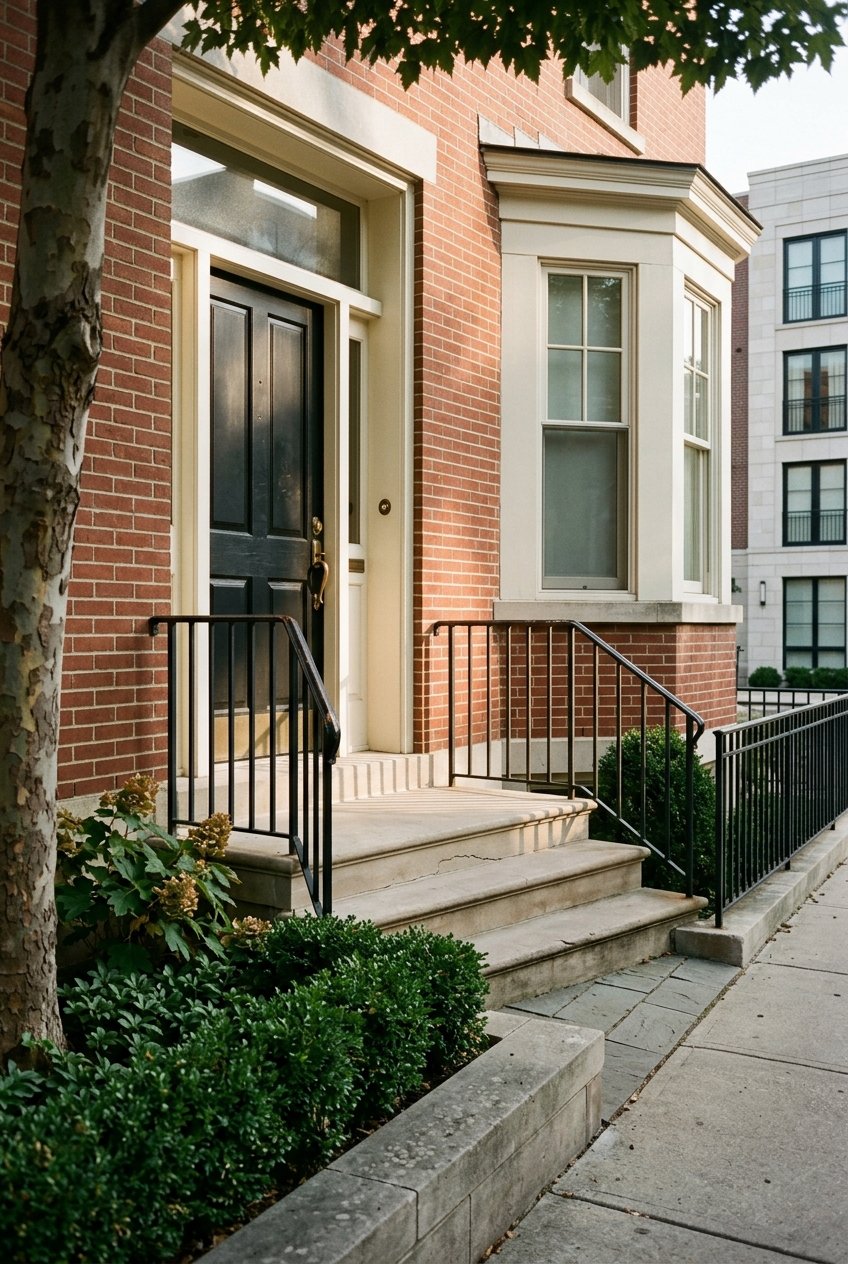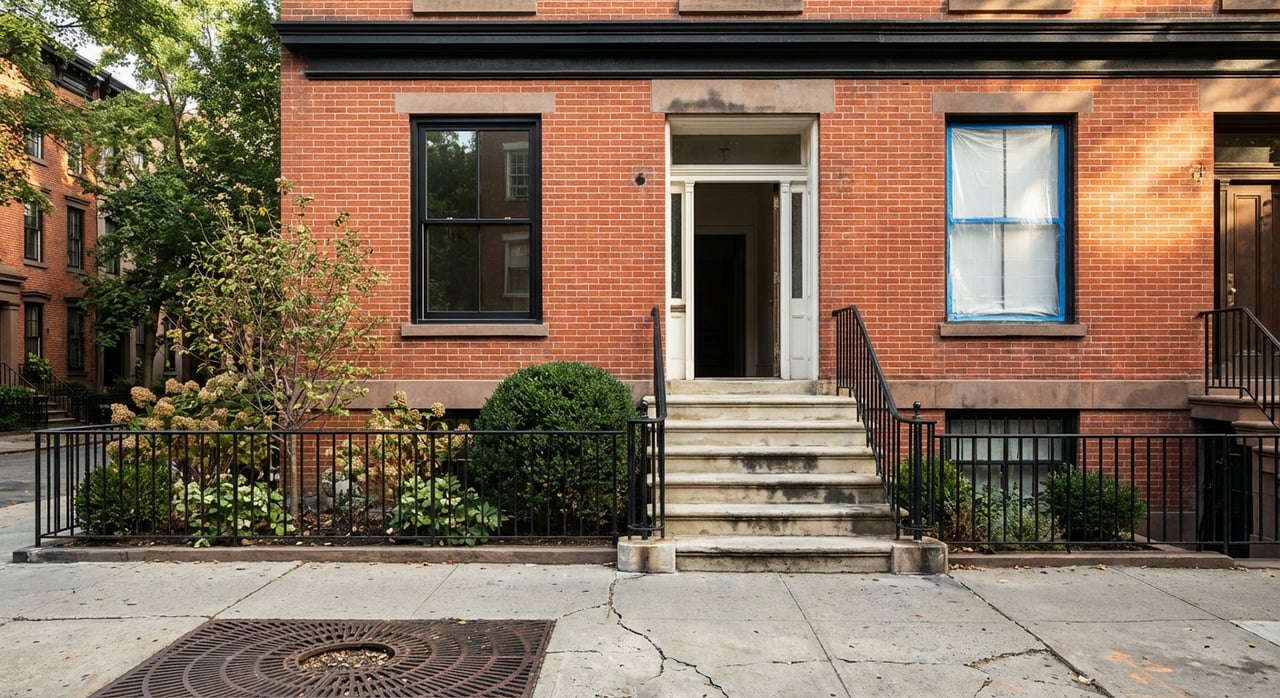
You love the brick bay, the iron stoop, and the tree‑lined rhythm of Bloomingdale. Now you are weighing a renovation that honors the architecture and makes the home work for today. The right plan can protect your budget, avoid review delays, and position you for a strong resale. This guide walks you through reading the structure, scoping smart, permits and timing, and the team you will need. Let’s dive in.
Know the neighborhood rules
Bloomingdale is a designated historic district with turn‑of‑the‑century brick rowhouses and distinctive bays, cornices, and stoops. Many exterior or street‑visible changes require review by the Historic Preservation Office (HPO) or the Historic Preservation Review Board (HPRB). Start by reviewing the official Bloomingdale historic district materials and design guidelines. You can find the nomination, map, and guidance through the District’s Office of Planning in the Bloomingdale Historic District resources from the Office of Planning at planning.dc.gov.
If your project includes visible exterior work, plan for historic review early. HPO staff can advise whether your design can be approved at the staff level or needs a formal HPRB hearing. You can learn how HPO and HPRB processes work and where to start in the District’s historic preservation application guidance.
Read the rowhouse like a pro
Capture character‑defining features
Take clear photos and notes on façade materials, cornices, bay windows, stoops, and railings. Identify what seems original versus altered. These details shape what will be approved and often guide repair‑over‑replacement decisions. The Bloomingdale guidelines explain how compatibility is judged in official district materials.
Probe structure, moisture, and party walls
Before you commit to big changes, schedule a structural engineer walkthrough focused on party‑wall condition, roof framing, floor joists and sag, foundation, and any signs of moisture or settlement. A methodical investigation prevents surprises after demolition. For a practical approach to evaluating older buildings, see the National Park Service’s Preservation Brief on understanding old buildings, available through Preservation Brief 35.
Screen for hazards early
DC homes built before 1978 are presumed to contain lead‑based paint. If you plan disruptive work, EPA RRP rules apply to most contractors, and local DOEE notifications may be required. Build testing and abatement into your schedule because it can change your scope and sequencing. Learn the basics of RRP rules at the EPA’s renovation, repair, and painting program.
What the construction tells you
Many Bloomingdale and nearby LeDroit Park rowhouses have load‑bearing brick exterior walls and shared party walls. Opening walls or changing structural loads will require engineering and neighbor coordination. Masonry repointing should match historic mortar properties and techniques. Guidance on best practices is outlined in Preservation Brief 2 on repointing. Historic windows, doors, and cornices often warrant repair rather than wholesale replacement; the NPS offers practical methods in Preservation Brief 9 on wood windows.
Basements can have low ceiling heights and variable moisture conditions. Many owners consider lowering the basement slab or underpinning to add livable area. These upgrades add complexity, require permits and inspections, and should be scoped by a structural engineer well before you set your budget.
Set a scope that fits Bloomingdale pricing
Your scope should reflect what buyers pay for on your block, not a generic citywide average. As of late 2025, public market snapshots placed typical Bloomingdale home values around the upper‑$700Ks to low‑$800Ks. Confirm today’s street‑level comps with a local agent before finalizing finishes, additions, or high‑cost structural changes.
Scope tiers to consider
- Light refresh: Paint, floors refinished, targeted kitchen and bath updates, small mechanical fixes.
- Midrange modernization: New kitchen with semi‑custom cabinets, one or two bathrooms upgraded, HVAC or panel updates, and clean interior finishes.
- Full gut or reconfiguration: Interior wall changes, stair or layout moves, basement lowering or underpinning, a rear extension, or a rooftop addition if compatible.
Realistic DC cost ranges
Regional remodel data suggests a full‑gut whole‑house renovation in DC commonly starts around $100 per square foot and rises with finish level and structural complexity. Kitchens can range roughly from $30,000 to $100,000 plus, while bathrooms often land between $15,000 and $45,000 plus, depending on layout and selections. Use the DC‑specific benchmarks in this Washington DC renovation cost guide as a starting point, then verify with local bids.
Budget allocation and contingency
A practical framework for a midrange rehab might look like this:
- Shell, structure, and exterior repairs: 25–35%
- Mechanical, electrical, plumbing, HVAC: 15–25%
- Kitchens and baths: 15–25%
- Interior finishes: 10–20%
- Soft costs (design, permits, HPO/HPRB, expediting): 8–12%
- Contingency: 10–20%
Historic fabric and older systems hide surprises. Plan a higher contingency if you expect masonry repairs, hazardous‑materials abatement, or underpinning.
Avoid over‑improving
Aim for a post‑renovation price per square foot that matches strong, recent comps on your block with similar beds, baths, and finished square footage. Most buyers in Bloomingdale value solid systems, a well‑designed kitchen and baths, and preserved exterior character. Midrange, targeted improvements often deliver better resale capture than ultra‑luxury upgrades that the neighborhood may not reward.
Permits and approvals in DC
Start with HPO consultation
If your scope includes visible exterior changes, meet with HPO staff early to understand what is likely supportable and what will require a full HPRB hearing. Learn how to prepare and where to submit in the District’s historic preservation application guidance.
Submit complete drawings
Hire an architect with historic‑district experience to prepare measured drawings, elevations, and materials documentation. Submit to HPO before you apply for building permits so you avoid redundant plan revisions. Refer back to the Bloomingdale historic district materials to ensure materials and detailing align with guidelines.
Building and public‑space permits
Apply to the DC Department of Buildings for building, structural, mechanical, plumbing, and electrical permits once historic approvals are in place. If you plan a new front fence, stoop work, or anything in public space, a separate public‑space permit through DDOT is usually required. Many owners use a permit expediter to coordinate across agencies and keep submittals complete.
Typical timelines and buffers
Simple staff‑level historic reviews can resolve in a few weeks. Projects that require an HPRB hearing often take 2 to 4 months, and sometimes longer for complex proposals. After historic approvals, DOB plan review can take additional weeks to months depending on the scope and your plan set quality. Build in iteration time so exterior work does not push into your planned listing month.
Time your project with the market
DC listing activity often peaks in spring and early summer. If your exit is a sale, consider scheduling construction close‑out to land in that window. For national context on seasonality, review this overview of the best time to sell a house. If you are buying a property to renovate, late fall or winter can offer calmer negotiations and more time for due diligence.
Incentives, rebates, and credits
- Energy and electrification: DC’s DOEE and DCSEU offer programs and rebates that can reduce the cost of heat‑pump HVAC, heat‑pump water heaters, panel upgrades, and insulation if you meet eligibility rules. Explore current offerings through the District’s page on rebates and incentives.
- Historic rehabilitation tax credit: A federal 20 percent credit may apply to income‑producing certified historic properties that meet the Secretary of the Interior’s Standards. Owner‑occupied single‑family homes typically do not qualify unless they are income‑producing. Review eligibility and the local certification process on DC’s rehabilitation tax credits page.
Build the right team
Assemble professionals who understand DC’s historic fabric and permitting:
- Architect with historic‑district experience
- Structural engineer familiar with masonry and party‑wall conditions
- Licensed general contractor with local historic rehab experience
- Historic preservation consultant or experienced HPO expeditor
- Licensed lead and asbestos contractors for required RRP work
- Permit expediter for multi‑agency coordination
Avoid common pitfalls
- Underestimating approvals time: Schedule an HPO pre‑application meeting and plan for potential HPRB hearings. Submit complete drawings and materials to avoid rework. See the District’s historic preservation application guidance for process steps.
- Hidden structural or hazardous‑materials surprises: Use targeted, early exploratory openings and a robust 15–20 percent contingency. A methodical approach from Preservation Brief 35 helps reduce unknowns.
- Inappropriate masonry or window replacements: Follow preservation standards for mortar matching and in‑kind repair. Refer to repointing guidance and wood window repair guidance.
- Over‑improving relative to comps: Focus on systems, kitchen, baths, and curb appeal that fit Bloomingdale price bands. Leave room for contingency rather than chasing ultra‑custom finishes.
Quick due‑diligence checklist
- Full home inspection and structural engineer walkthrough
- WDI/termite and moisture survey, especially in basement areas
- Lead paint assessment and asbestos sampling where applicable; follow EPA RRP rules
- Historic reconnaissance of character‑defining features; consult the Bloomingdale district materials
- If planning a basement dig‑out, obtain geotechnical input and a structural plan before budgeting
When you are ready to align scope, budget, and a market‑smart timeline, bring in local expertise. For block‑level comps, a renovation game plan, and introductions to trusted architects, engineers, and expediters, connect with Ethan Carson.
FAQs
What should I know about Bloomingdale’s historic rules?
- Bloomingdale is a designated historic district, so most street‑visible exterior changes require HPO review and sometimes an HPRB hearing; start with the District’s historic preservation application guidance.
Do I need approval to replace windows in Bloomingdale?
- Often yes; repair in kind is generally preferred and many replacements require review for compatibility; see the NPS’s wood window repair guidance to understand best practices.
How long do DC permits and reviews take for a rowhouse remodel?
- Staff‑level historic reviews can take a few weeks, HPRB hearings commonly take 2–4 months, and DOB plan review can add weeks to months depending on scope and drawing quality; build in buffer time.
How much does a full‑gut renovation cost in DC?
- A common baseline is about $100 per square foot and up, with kitchens roughly $30,000–$100,000 plus and baths $15,000–$45,000 plus; see the DC‑specific renovation cost guide and confirm with local bids.
Can I lower my basement floor in a Bloomingdale rowhouse?
- Often, but it requires structural engineering, careful underpinning, and permits; expect added complexity and neighbor coordination, and plan for inspections and schedule impacts.
Are there rebates or tax credits for my renovation?
- DC offers energy and electrification rebates through DOEE and DCSEU, and income‑producing certified historic properties may be eligible for a federal 20 percent credit; see DC’s pages on rebates and incentives and rehabilitation tax credits.