Wondering whether a historic co-op or apartment in Cleveland Park is the right fit for you? It is easy to fall for the brick facades, landscaped grounds, and old Washington character, but buying into one of these buildings also means understanding how ownership, fees, and preservation rules work. If you want the charm without surprises, this guide will help you know what to look for, what to ask, and how to buy with confidence. Let’s dive in.
Why Cleveland Park feels different
Cleveland Park is not just a neighborhood with older buildings. It is a designated historic district, established in 1987, with a period of significance from 1880 to 1941. That designation reflects a neighborhood shaped by early suburban growth, historic houses, apartment buildings, and a notably intact Connecticut Avenue corridor.
For buyers, that history shows up in the streetscape right away. You are not just buying an apartment. You are often buying into a building that reflects a specific chapter of Washington’s development, from late-Victorian roots to the apartment and garden-co-op era of the 1920s and 1930s.
What historic buyers usually notice first
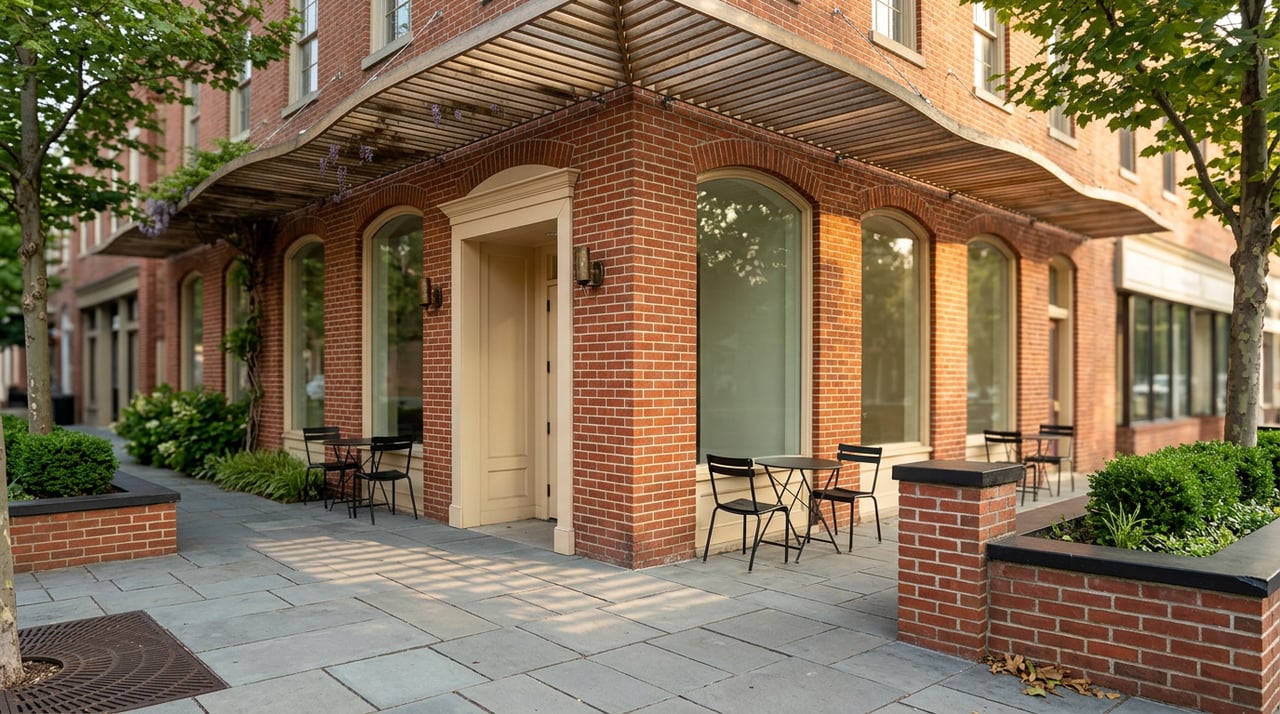
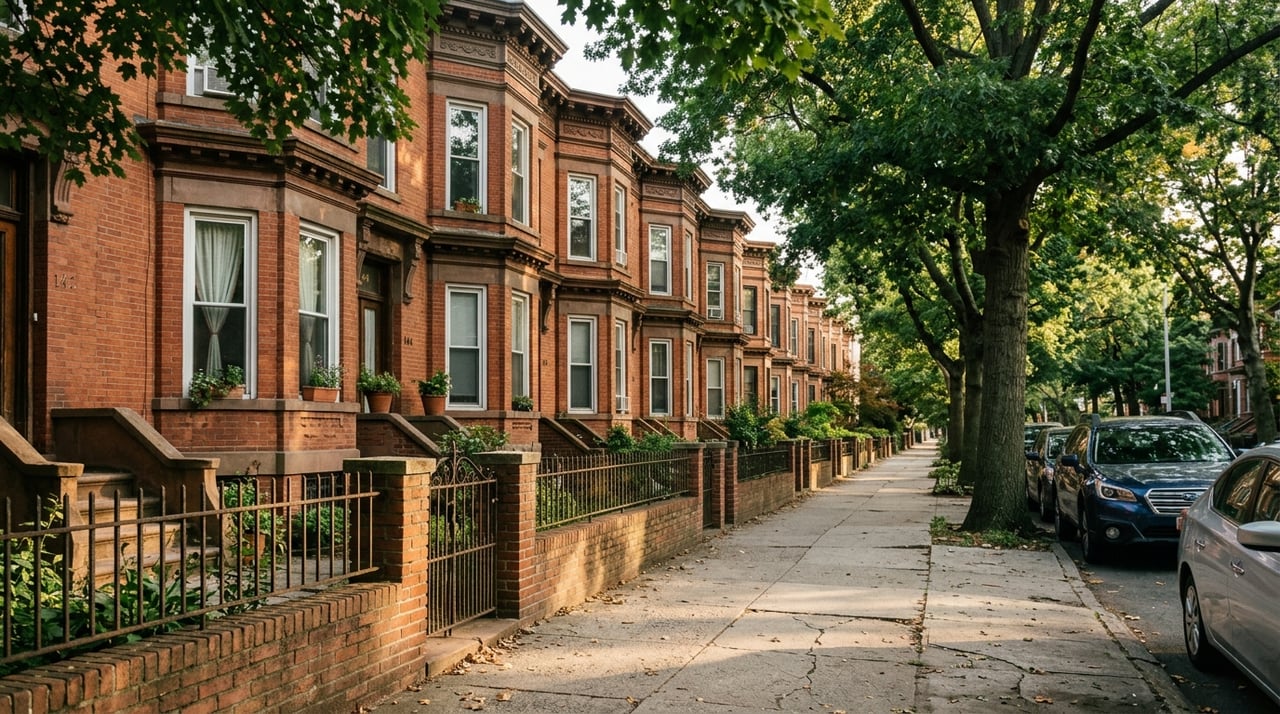
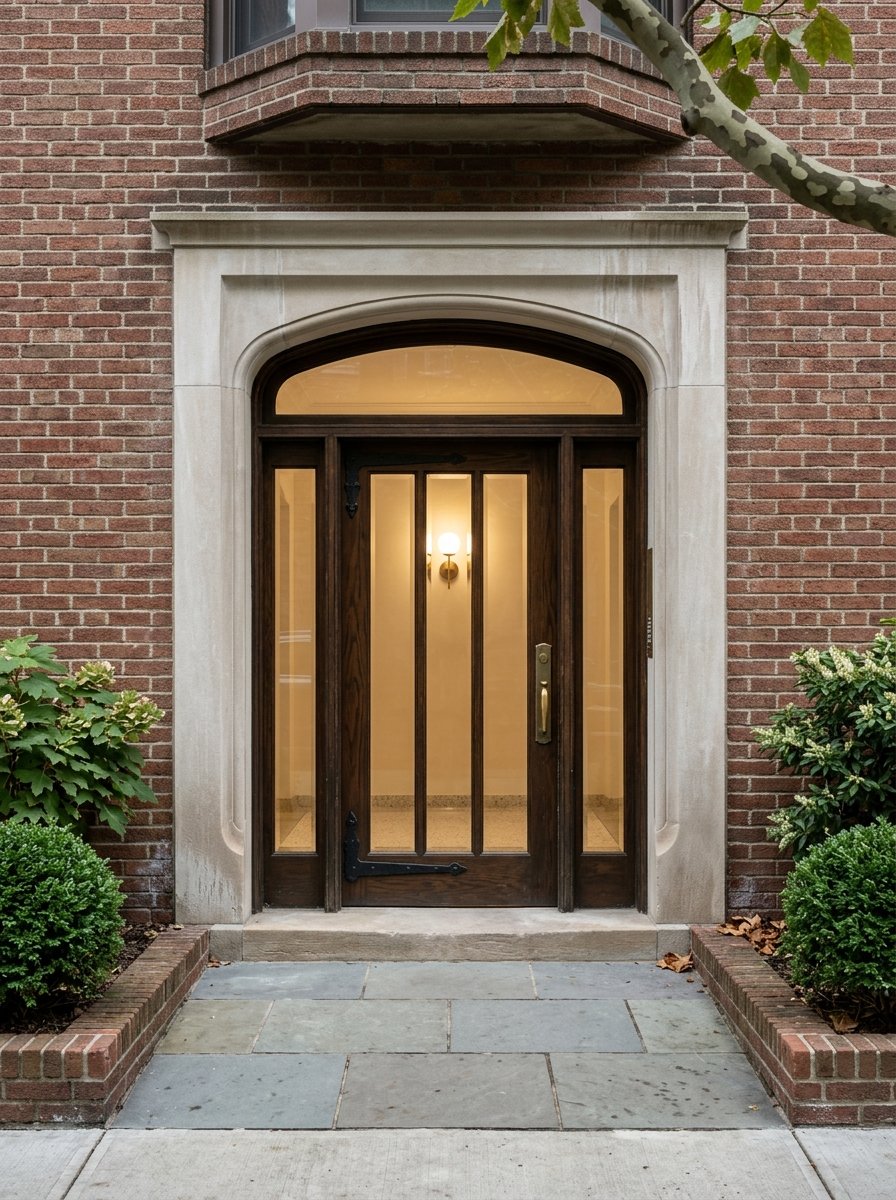
Many of Cleveland Park’s early apartment buildings along Connecticut Avenue were built as four- or five-story structures in red or yellow brick, often with a central entrance and stone detailing inspired by Colonial and Georgian design traditions. According to the Cleveland Park Historic District nomination, that gives these properties a formal look while still feeling residential.
That visual variety is also part of the neighborhood’s appeal. The Cleveland Park Historical Society notes a mix of Victorian, Colonial Revival, Craftsman, and other architectural styles, which helps explain why one block can feel very different from the next.
If you are comparing buildings, that means you should expect more than one version of “historic charm.” Some buildings read as grand and symmetrical. Others feel more tucked into the landscape or more stylistically expressive.
The garden-apartment legacy matters
One of Cleveland Park’s most important housing stories is the rise of the garden apartment and early co-op model. The historic district nomination explains that the first apartment house in Cleveland Park was built in 1919, and the first garden apartments in Washington were built here in 1924 and 1925 and sold as co-ops.
That history still affects what you experience as a buyer today. These buildings were designed with a domestic scale in mind, not a hotel model. Many originally emphasized open lawns, paths, and a residential setting instead of large lobbies, elevators, or oversized indoor amenity spaces.
In practical terms, that often means the building’s value proposition is different from a newer condo. You may be buying for architecture, mature landscaping, site planning, and a stronger connection to the street and grounds rather than a long list of modern shared amenities.
Landmark buildings buyers often recognize
Several Cleveland Park buildings illustrate the range of historic apartment and co-op design in the neighborhood.
Tilden Gardens
Tilden Gardens includes six buildings on a five-acre triangular block with about 200 units, elaborate landscaping, concealed basement garages, and distinctive X-shaped and double-X-shaped plans. Its layout and grounds are part of what make it memorable.
The Broadmoor
The Broadmoor occupies a five-acre site with substantial open space and Tudor- and Jacobean-revival styling. For buyers, it is a good example of how architectural identity and site design can work together in a historic building.
Sedgwick Gardens
Sedgwick Gardens stands out for a plan designed to maximize light, ventilation, and views. It also includes Art Deco ornament with Byzantine and Middle Eastern motifs, showing how stylistically varied Cleveland Park’s historic stock can be.
Kennedy-Warren
The Kennedy-Warren is a major Art Deco landmark set back from Connecticut Avenue and adjacent to Rock Creek Park. It reflects a larger-scale, more dramatic expression of historic apartment design within the neighborhood context.
Co-op ownership works differently
If you are buying into a historic Cleveland Park co-op, ownership is not the same as buying a deeded condo. According to HUD guidance on cooperative housing, in a co-op you generally buy shares in the association or corporation rather than direct title to a specific unit. Those shares give you the right to occupy the apartment through a proprietary lease or occupancy agreement.
That distinction matters because you are evaluating both a home and a governing structure. The building’s financial management, rules, documentation, and long-term planning can have a direct impact on your ownership experience.
What monthly co-op fees may include
One of the biggest buyer questions is simple: what exactly does the monthly fee cover? HUD notes that co-op fees can include the cooperative’s mortgage payments, taxes, maintenance and repair costs, and management expenses. The monthly fee and share price are generally proportional to unit size.
That means your carrying cost may be broader than a standard mortgage payment alone. Instead of looking only at purchase price, you should review the full monthly picture and understand how the building allocates funds across operations and long-term obligations.
A useful checklist includes asking:
- How much of the fee goes to mortgage obligations
- How much covers taxes
- What portion supports repairs and maintenance
- Whether management costs are included
- How the building handles reserve planning
DC tax relief can affect carrying costs
For some buyers, building-level administration around tax benefits is also worth understanding early. The DC Office of Tax and Revenue administers cooperative housing tax relief programs, including the Cooperative Homestead Deduction, Cooperative Trash Credit, and Cooperative Senior/Disabled Tax Relief.
Eligibility depends on factors such as DC domicile, primary residence, and annual recertification through the cooperative’s management company or representative. If you are considering a co-op, ask how the building handles annual filings and recertification so you know what the process looks like after closing.
Documents you should review closely
Historic buildings can feel romantic, but the paperwork still matters. HUD’s cooperative housing guidance points buyers toward the key documents that define your rights and responsibilities.
Before you commit, make sure you understand the building’s:
- Proprietary lease
- Bylaws
- House rules
- Occupancy agreement, if applicable
These documents can shape day-to-day ownership in important ways. They may affect renovation approvals, subletting rules, move-in procedures, and how the board governs common issues.
Preservation review can affect future plans
Buying in a historic district adds another layer of due diligence. DC’s Office of Planning explains that work on historic properties goes through the regular permit process with an added preservation review step when needed to keep changes compatible with the building’s historic character. You can review the city’s permits and design review guidance to understand the framework.
Routine interior alterations are generally exempt. But major exterior work such as demolition, additions, visible roof decks, new or altered front windows or doors, significant removal of character-defining features, new curb cuts, and lot subdivisions may require Historic Preservation Review Board review.
If your wish list includes a major redesign, new exterior openings, or other visible changes, ask early whether your plans are fully interior or whether they may trigger preservation review. That question can save time and frustration later.
Even routine work may need approvals
In historic properties, even maintenance can carry extra process. The DC Department of Buildings notes that some exterior repairs still require a Historic Property Special Permit, including brick pointing and replacement-in-kind work for items like roofing, gutters, patios, fences, and retaining walls.
That matters because building maintenance is not just a technical issue. It can affect timing, cost, and the board’s ability to move projects forward. When you review a building, it is smart to ask not only about current condition, but also how management handles preservation-related approvals for repair work.
Why the building plan matters as much as the unit
In a historic Cleveland Park building, the apartment itself is only part of the story. DC preservation guidance and enforcement materials make clear that owners must keep properties safe and sound, and that HPO and DOB coordinate inspections and compliance in historic areas.
For buyers, the takeaway is straightforward. A well-run building with a clear long-term maintenance strategy can make ownership smoother, especially when exterior systems and preservation standards intersect. Roof work, window replacement, masonry repairs, or other major projects can affect both costs and timing.
Smart questions to ask before you buy
If you want to buy into Cleveland Park’s historic buildings with confidence, focus your due diligence on both lifestyle and governance.
Ask questions like:
- What makes this building architecturally or historically distinctive?
- Is the ownership structure a co-op, and how is that different from a condo in practice?
- What do the monthly fees cover today?
- How does the building handle tax-relief filings and annual recertification?
- What major exterior projects are planned or under discussion?
- Have recent repairs required preservation review or special permits?
- If you want to renovate, which changes are likely to stay interior and which could trigger approvals?
The goal is not to overcomplicate the process. It is to match the building to your expectations so that the character you love also fits the way you want to live.
Buying historic space with clarity
Cleveland Park’s historic apartment and co-op buildings offer something that is hard to replicate in newer construction: architectural depth, landscape-driven design, and a strong sense of place. But the smartest purchases happen when you balance that emotional pull with a clear read on ownership structure, monthly costs, documents, and preservation constraints.
If you are exploring Cleveland Park because you value character and provenance, you deserve guidance that goes beyond square footage and finishes. Working with someone who understands how history, governance, and building fabric intersect can make the process much more straightforward. If you want a thoughtful, locally grounded perspective as you evaluate historic properties in Washington, connect with Ethan Carson.
FAQs
What is the difference between a Cleveland Park co-op and a condo?
- In a co-op, you generally buy shares in the association or corporation and receive the right to occupy a unit through a proprietary lease or occupancy agreement, rather than receiving a deed to the unit itself.
What do monthly fees in a Cleveland Park co-op usually cover?
- According to HUD, co-op fees may cover the cooperative’s mortgage, taxes, maintenance and repair costs, and management expenses, with fees often tied to unit size.
Do historic Cleveland Park buildings limit renovations?
- Yes, some work, especially major exterior changes, may require preservation review even though routine interior alterations are generally exempt.
Can routine repairs in Cleveland Park historic buildings require permits?
- Yes, some exterior repair work, including items like brick pointing and certain replacement-in-kind projects, may require a Historic Property Special Permit.
Why should buyers review building documents before purchasing a Cleveland Park co-op?
- Documents such as the proprietary lease, bylaws, house rules, and occupancy agreement define your rights, responsibilities, and how the building is governed.
Are there DC tax relief programs for cooperative housing owners?
- Yes, DC offers cooperative housing tax relief programs, including the Cooperative Homestead Deduction and other credits, subject to eligibility and annual recertification.