What makes Capitol Hill feel so lived-in, even on an ordinary weekday? It is not just the landmarks or the architecture. It is the way front porches, small parks, corner cafés, and market routines shape daily life block by block. If you are trying to understand the neighborhood beyond a map, this guide will show you how Capitol Hill’s porch culture and park network create a distinct sense of place. Let’s dive in.
Capitol Hill Feels Layered
Capitol Hill is one of Washington, DC’s oldest residential neighborhoods and one of the largest historic districts in the country. According to the Capitol Hill historic district brochure, the district covers roughly 200 city squares and about 8,000 buildings. That scale helps explain why the neighborhood feels broad, varied, and deeply established rather than centered around a single main strip.
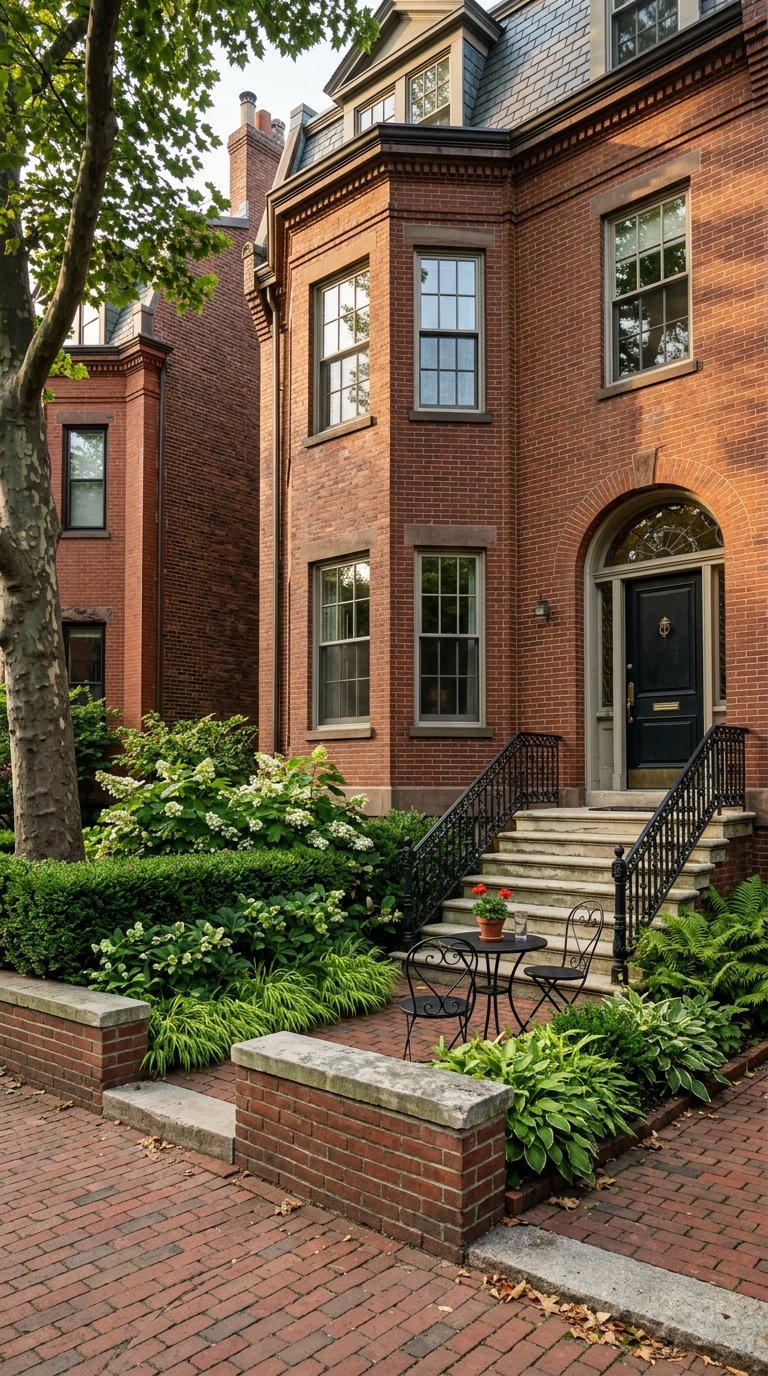
The same source describes a street pattern that still reflects L’Enfant’s original plan. Wide avenues bring a sense of grandeur, while narrower, tree-lined grid streets create a more intimate feel. On many blocks, late-19th-century red-brick houses, pedestrian activity, and corner-serving businesses all work together to make the neighborhood feel residential first.
Porches Shape Street Life
On Capitol Hill, porches and front steps do more than define architecture. They also shape how homes meet the sidewalk and how blocks feel from the street. The District’s guidance on porches and steps identifies these features as important parts of historic residential buildings, especially in neighborhoods with 19th-century rowhouses.
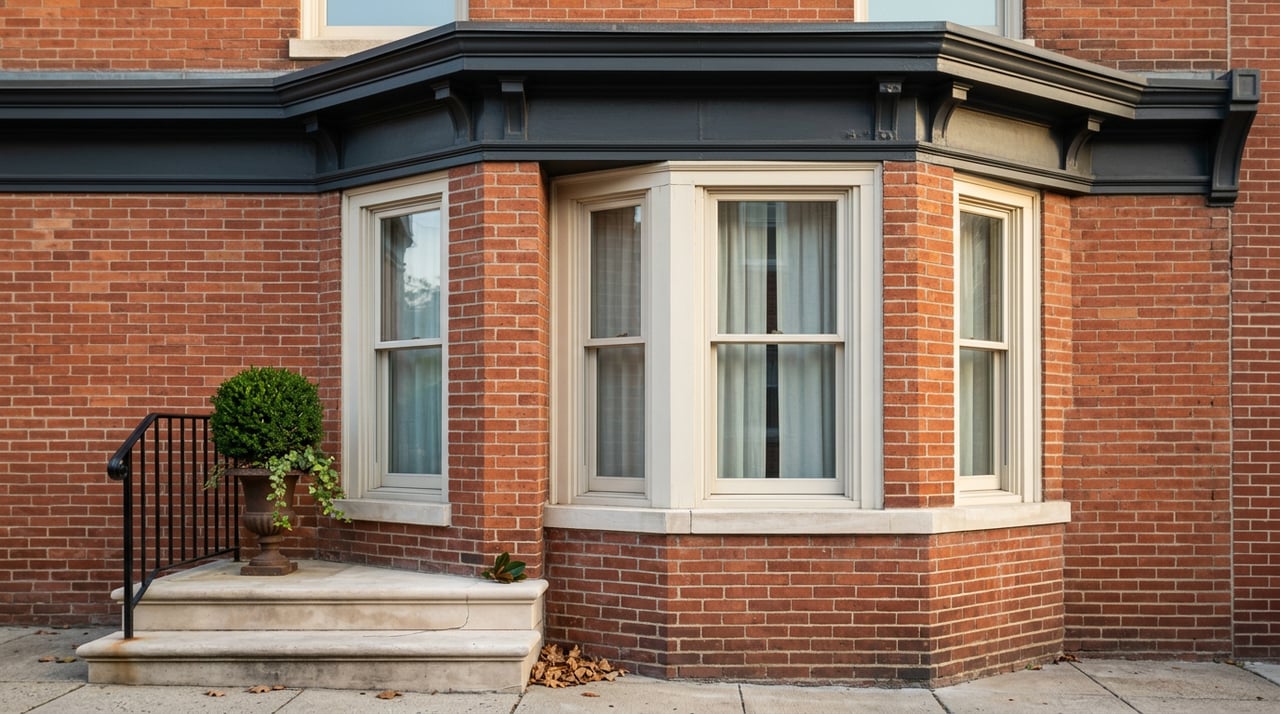
That matters because Capitol Hill’s housing stock evolved in a way that made porches more visible in everyday streetscapes. As rowhouse design changed in the late 19th century, porches joined bays and towers as defining features on many homes. The result is a neighborhood where the front of the house often feels connected to the life of the block.
Why the front yard matters
Capitol Hill’s leafy edge is not accidental. The Capitol Hill Restoration Society’s streetscape overview traces the band of garden space between sidewalk and property line to the 1870 Parking Act. That helps explain why many streets feel buffered and green instead of hard-edged from curb to front door.
This small strip of planted space changes the rhythm of the sidewalk. It softens the transition between public and private space and gives many blocks a calm, residential texture. In a neighborhood known for historic rowhouses, that detail goes a long way.
Preservation supports the look
The city’s preservation guidance also shows how seriously these features are treated. It notes that replacing a missing front porch can enhance a building’s character, while enclosing a front porch is rarely acceptable because it changes the appearance of the façade. In practical terms, porch culture on Capitol Hill is not just nostalgic. It is reinforced by the design standards that help protect the neighborhood’s historic character.
Parks Are Part of the Routine
Capitol Hill’s green space works differently than a neighborhood built around one giant park. The National Park Service describes Capitol Hill Parks as a connected system east of the U.S. Capitol that includes Lincoln, Stanton, Marion, and Folger Parks, Seward Square, Twining Square, the Maryland Avenue Triangles, the Pennsylvania Avenue Medians, and dozens of inner-city triangles and squares totaling 38.45 acres.
That network changes how the neighborhood is used. Instead of planning around a single destination, you move through a series of nearby green spaces woven into daily life. A short walk can easily include a playground stop, a shaded bench, or a pass through a small landscaped square.
Lincoln Park anchors the east side
Lincoln Park is the largest of the Capitol Hill Parks and one of the oldest public parks in Washington. It dates to the original 1791 L’Enfant plan and remains one of the neighborhood’s most popular parks. Its scale and history give it a central role in how many people experience the eastern side of the Hill.
Stanton Park offers a classic neighborhood pause
Stanton Park covers four acres and includes benches, a playground, formal walkways, and flower beds. The National Park Service describes it as a strong example of Washington’s natural-urban aesthetic. That mix of structure and softness makes it feel easy to revisit, whether you are passing through or stopping for a while.
Smaller parks keep life local
Capitol Hill also benefits from smaller spaces that reward repeat use. Seward Square offers benches, tall trees, and landscaped areas that fit the classic pocket-park pattern. Marion Park includes a playground and ornamental trees, while Folger Park adds another designed landscape tied to the neighborhood’s long planning history.
Together, these spaces help Capitol Hill feel walkable and settled. They are not isolated amenities. They are part of the neighborhood’s cadence.
Eastern Market Sets the Weekend Rhythm
If porches shape the blocks, Eastern Market helps shape the week. Washington.org describes Eastern Market as one of DC’s oldest and liveliest marketplaces, serving as a neighborhood town center since 1873. It is also one of the few historic public market buildings left in Washington and the only one to retain its original public market function.
Its role in neighborhood life is practical and social at the same time. The indoor market sells produce, meats, poultry, seafood, baked goods, flowers, and cheeses. On weekends, outdoor vendors, handmade crafts, and live music add another layer of energy, all just one block from the Eastern Market Metro station.
Errands and leisure blend together
One reason Eastern Market stands out is how naturally it connects everyday tasks with time outdoors. In its own Capitol Hill itinerary, Washington.org suggests Market Lunch followed by a stroll to Stanton Park. That pairing captures something essential about the neighborhood. A grocery run, coffee stop, or pancake breakfast can easily turn into a walk through one of the Hill’s green spaces.
That is part of what gives Capitol Hill its appeal. The neighborhood rewards habits, not just special occasions.
Barracks Row And Café Life Keep Things Moving
Capitol Hill’s routine is not centered on one destination alone. Barracks Row, along 8th Street SE, is described by Washington.org as the District’s oldest commercial district. Today, it adds another layer to neighborhood life through restaurants, cafés, and bars that support daytime errands and evening plans alike.
This commercial texture helps balance the residential streetscape. You can spend time on a quiet block of rowhouses and still be a short walk from coffee, lunch, or dinner. That mix is a big part of Capitol Hill’s staying power.
Familiar places matter
Some businesses help show how local routines take shape. The Capitol Hill BID describes Le Bon Café as a long-running meeting place where residents, visitors, and staffers stop for coffee, croissants, lunch, and time on the terrace. The same pattern shows up at The Roost, which the research identifies as a neighborhood gathering place and food hall with coffee and a range of food and drink options.
These are the kinds of places that make a neighborhood feel usable every day. They are part of the repeat pattern of life on the Hill, along with porches, parks, and market stops.
Walkability Ties It Together
Capitol Hill’s physical layout supports the way people use it. Walk Score rates Capitol Hill at 88, making it one of Washington’s most walkable neighborhoods. It also estimates roughly 270 restaurants, bars, and coffee shops in the area.
Those numbers help explain why so much of neighborhood life happens on foot. When homes, parks, cafés, and daily needs sit within a connected street grid, routines become easier and more enjoyable. On Capitol Hill, walkability is not just a convenience. It is part of the culture.
Why This Matters When You Search For A Home
If you are considering Capitol Hill, it helps to look beyond square footage and finishes. The neighborhood’s appeal is deeply tied to its historic fabric, its porch-lined streets, and its many parks and gathering places. These features shape how a home feels before you even step inside.
That is especially true in a place where architecture and daily life are so closely linked. On Capitol Hill, a rowhouse is not just a private interior. It is also part of a block, a streetscape, and a long-standing neighborhood pattern.
For buyers, that means thinking about how you want to live day to day. For sellers, it is a reminder that the story of a home often includes the porch, the block, the walk to the market, and the nearby park just as much as the kitchen or floor plan.
If you are exploring Capitol Hill or preparing to make a move in one of DC’s historic neighborhoods, working with someone who understands both the architecture and the rhythm of the area can make a real difference. To learn more about homes, historic context, and neighborhood-driven strategy, explore Ethan Carson.
FAQs
What is porch culture on Capitol Hill?
- Porch culture on Capitol Hill refers to the way front porches, stoops, steps, and small front garden areas shape the look and feel of the neighborhood’s historic streetscapes.
What parks are part of Capitol Hill Parks?
- Capitol Hill Parks includes Lincoln, Stanton, Marion, and Folger Parks, Seward Square, Twining Square, the Maryland Avenue Triangles, the Pennsylvania Avenue Medians, and dozens of smaller triangles and squares managed as a connected park system.
What makes Lincoln Park important on Capitol Hill?
- Lincoln Park is the largest of the Capitol Hill Parks, dates to the original 1791 L’Enfant plan, and remains one of the neighborhood’s most popular public parks.
What role does Eastern Market play on Capitol Hill?
- Eastern Market functions as a long-running neighborhood town center where shopping, food, and weekend activity come together in one historic public market setting.
Is Capitol Hill a walkable neighborhood in Washington, DC?
- Yes. Walk Score rates Capitol Hill at 88, which reflects the neighborhood’s strong walkability and access to restaurants, coffee shops, parks, and everyday destinations.