What if your first home purchase in Washington, DC, is not just about bedrooms and bathrooms, but about buying into a specific architectural story? That is often the reality in LeDroit Park and Bloomingdale, where townhouse shopping means weighing character, renovation quality, and historic-district rules all at once. If you are trying to make a smart first move, this guide will help you understand what makes these neighborhoods different, what to look for on tours, and how to approach the process with more confidence. Let’s dive in.
Why these neighborhoods stand out
LeDroit Park and Bloomingdale may sit close to each other, but they do not offer the same townhouse experience. As a first-time buyer, that matters because the type of home you tour, the kind of updates you may want later, and even the rhythm of each block can feel meaningfully different.
LeDroit Park is a historic district with roots dating to 1873, and its period of significance runs from 1873 to 1910. It began as a planned subdivision of substantial detached and semidetached houses, and many of those original homes still remain. Later brick-and-frame rowhouses filled in over time, which means the neighborhood can feel more architecturally varied than a classic, uninterrupted rowhouse district.
Bloomingdale is also a historic district, designated more recently, with a period of significance from 1891 to 1948. The neighborhood was built mostly between 1892 and 1916 and is known for its intact late-19th- and early-20th-century rowhouses. In practical terms, Bloomingdale often feels more consistently rowhouse-like, with strong block-to-block visual continuity.
LeDroit Park vs. Bloomingdale
LeDroit Park feels more eclectic
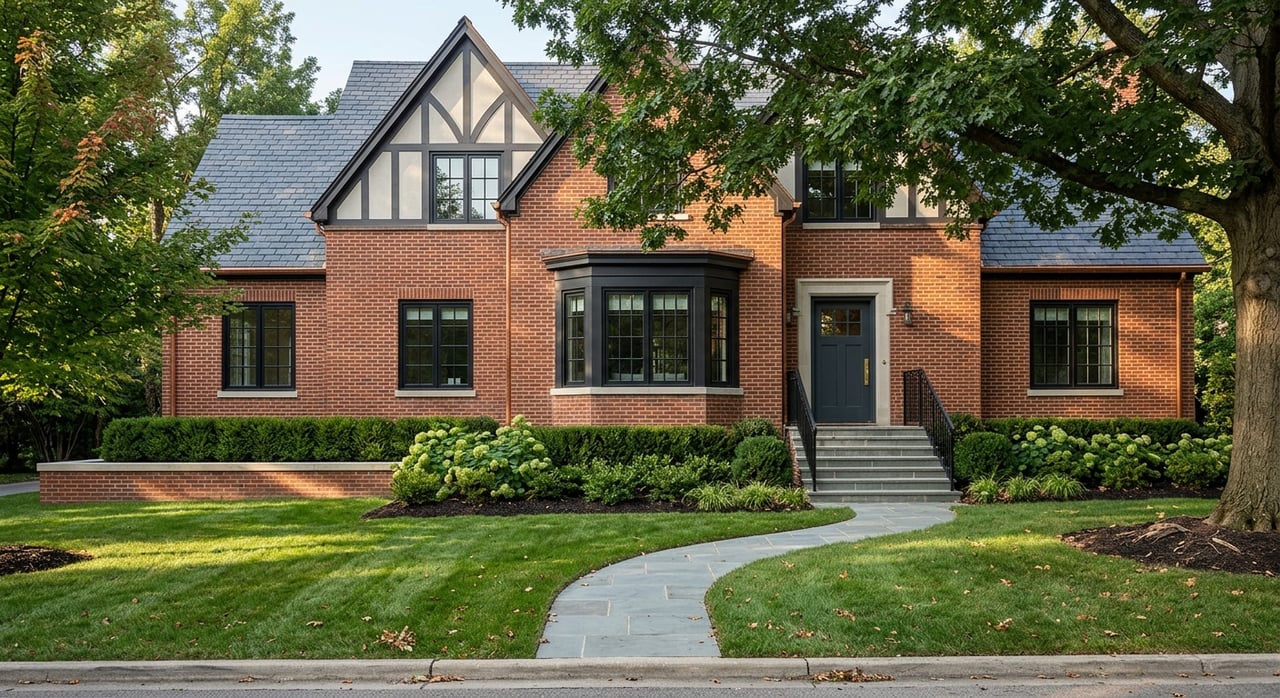
In LeDroit Park, you may see detached homes, semidetached homes, and later attached houses on the same broader neighborhood canvas. The original homes were designed with variety in mind, with influences from Italian villa and Gothic cottage styles. If you like individuality and you want a home that feels less uniform from the street, LeDroit Park may speak to you.
The district sits just south of Howard University and just north of Florida Avenue. That location context can help when you are narrowing your search and comparing inventory. It is a good neighborhood to tour slowly, since the architectural mix is part of what defines the buying experience.
Bloomingdale feels more classically rowhouse
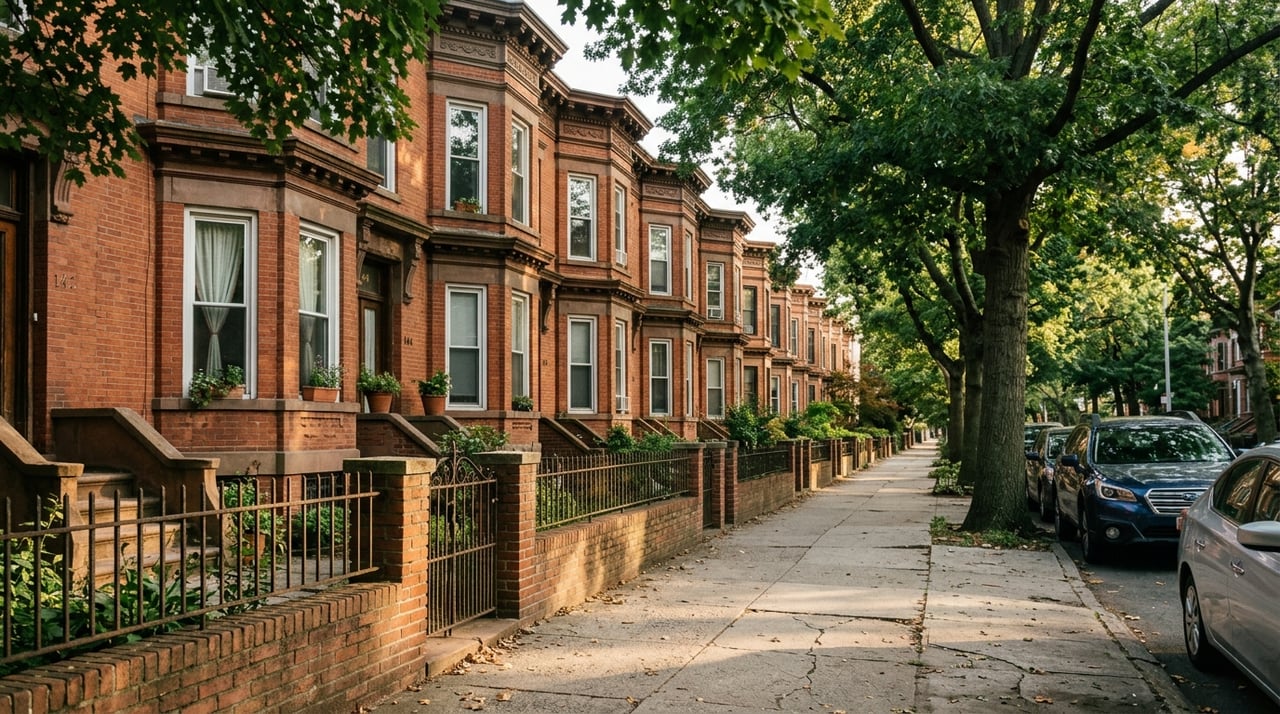
Bloomingdale is defined by a large concentration of attached rowhouses, with bay-front homes especially common south of V Street and porch-front homes more common north of V Street. Corner houses are often larger and more ornate, and the alley system is a major part of the neighborhood fabric. If your mental picture of a classic DC townhouse includes repeating brick facades, projecting bays, and a strong rowhouse streetscape, Bloomingdale often matches that vision.
Bloomingdale also includes smaller rowhouse flats and larger apartment buildings. That is important because not every attached building in the neighborhood is a traditional single-family townhouse. As a first-time buyer, you will want to confirm the exact ownership format and layout instead of assuming every listing offers the same kind of living experience.
What a first townhouse tour should focus on
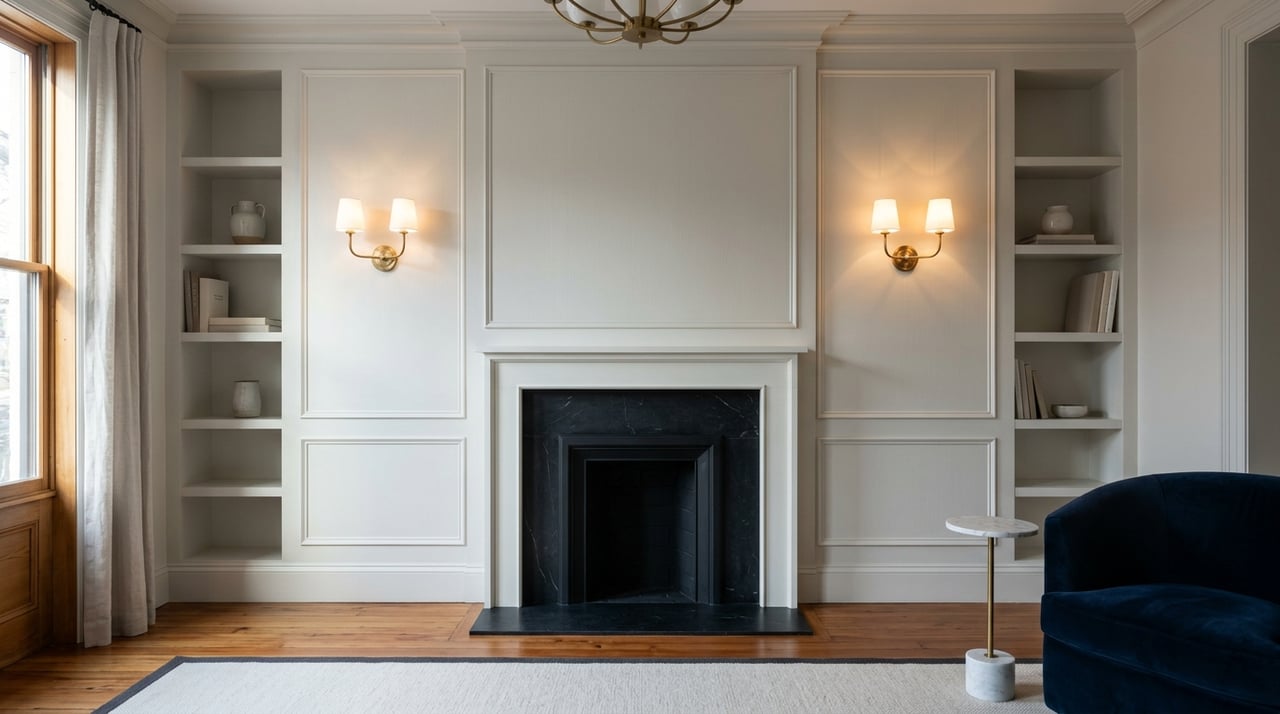
A beautiful kitchen can pull your attention fast, but in these neighborhoods the smarter first question is whether the house still works well at its core. Historic rowhouses commonly follow a plan with a side hallway, front living room or double parlor, dining room behind it, and a kitchen at the rear or in a partially below-grade basement. Bedrooms are usually on the upper floors.
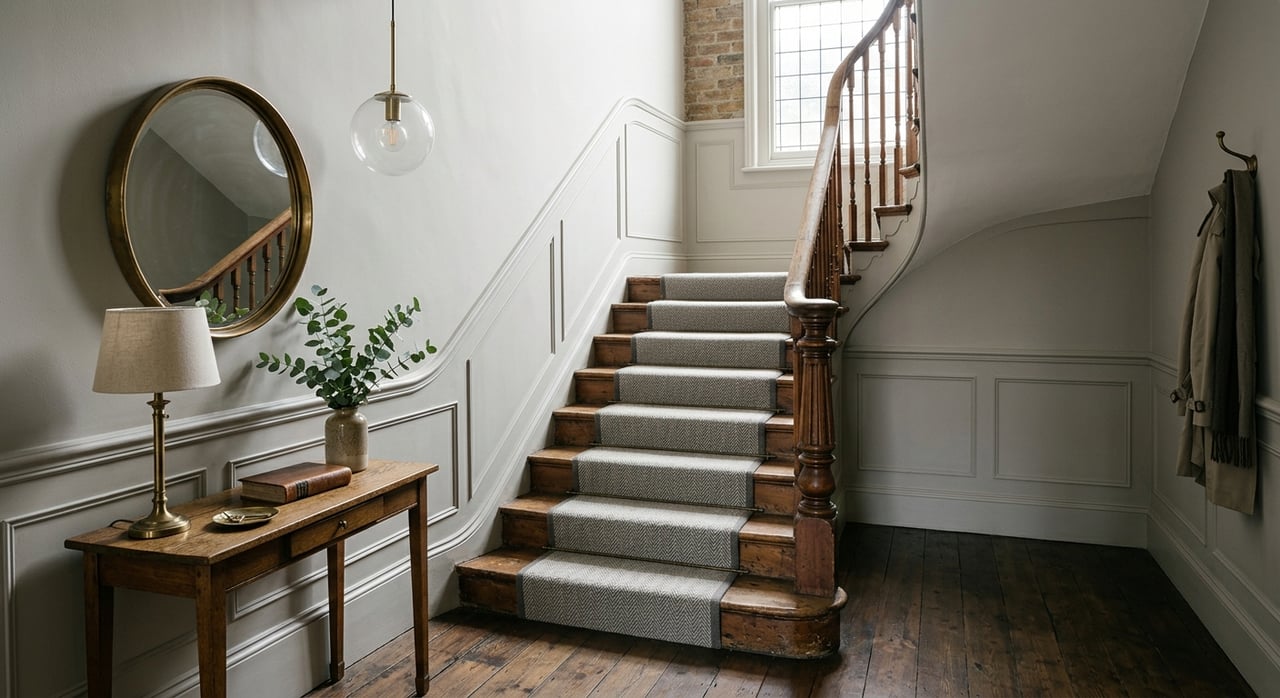
That means the most important spaces to judge are often the entry and stair hall, plus the front and second rooms on the main living level. If those spaces feel awkward, chopped up, or disconnected, the home may be less functional day to day even if the finishes are fresh.
Details worth noticing outside
In both neighborhoods, street presence matters. On a tour, start with the basics that shape the exterior character:
- Roof condition
- Brick and mortar condition
- Window size and proportions
- Front porch or stoop condition
- Roofline and facade balance
- Quality of any visible rear addition
In Bloomingdale, repeating bays, porches, dormers, turrets, and masonry detail often define the look of the block. In LeDroit Park, the earlier architectural variety can make one home feel quite different from the next. Either way, exterior details are not just cosmetic. In a historic district, they can affect future repair options and renovation plans.
Details worth noticing inside
Older townhouses can be wonderful to live in, but they reward careful touring. As you walk through, pay close attention to:
- Basement moisture or musty smells
- Signs of deferred maintenance
- Whether plumbing and electrical systems appear updated
- How a rear addition connects to the original house
- Whether renovations preserved a sensible floor plan
A first-time buyer does not need every room to feel brand new. What matters more is whether the house has been updated thoughtfully and whether the important structural and systems issues appear to have been addressed.
Historic district rules matter
One of the biggest mindset shifts for first-time buyers in LeDroit Park and Bloomingdale is this: you are not only buying square footage. You are also buying a facade, a historic form, and a renovation envelope shaped in part by DC preservation rules.
In DC, most construction requires a permit. That includes many projects buyers commonly imagine after closing, such as finished basements, porches and decks, fences, garages, additions, and demolition. If the home is in a historic district, exterior work also triggers historic preservation review.
What changes are easier to make
Bloomingdale’s design guidance explains that in-kind repair and minor alterations can often be approved through an expedited over-the-counter process. Larger additions and new construction may go before the Historic Preservation Review Board. Work visible from the street is reviewed more carefully than work on secondary or rear elevations.
For you, that usually means a rear deck, kitchen expansion, or rear addition may be more feasible than major changes to the street-facing facade, porch, or roofline. If future renovation is part of your plan, it helps to think about those limits before you fall in love with a house.
Lead paint and older-home safety
Because so much of the housing stock in both neighborhoods predates 1978, lead paint risk should be taken seriously. The EPA estimates that 87% of homes built before 1940 contain some lead-based paint. Since many houses in LeDroit Park and Bloomingdale date from that era, it is smart to assume lead risk unless testing shows otherwise.
This matters most when you see peeling paint, worn window surfaces, aging porch trim, or any area that may need sanding or scraping. Those are not just cosmetic punch-list items. They can require lead-safe handling.
Buyers of pre-1978 housing are entitled to lead disclosure information and the opportunity for an independent lead inspection. Renovation, repair, and painting work in pre-1978 homes must use lead-safe certified contractors and work practices. If you are considering a home that needs work, that should be part of your budgeting from the start.
How to approach inspection and appraisal
For a first-time buyer, the inspection is one of your best tools for turning excitement into a grounded decision. The CFPB recommends scheduling the home inspection as soon as possible after choosing a home so there is time to resolve problems. It also recommends using an independent inspector and attending the inspection if you can.
In these neighborhoods, a practical inspection focus often includes:
- Roof condition
- Masonry condition
- Basement moisture
- Plumbing modernization
- Electrical modernization
- Condition of any rear addition
Inspection and appraisal are not the same thing. The lender generally requires an appraisal, and if the appraisal comes in below the sales price, paying more than appraised value can create added risk. In that situation, a buyer may ask for a price reduction or consider canceling if the contract allows.
What the market looks like now
The broader Washington, DC market remains active, but it is not defined by the kind of all-out frenzy that leaves no room for careful decision-making. In May 2026, the DC market showed 919 new listings, 2,827 active listings, a median sold price of $740,000, 41 average days on market, and an average sold-to-original-list ratio of 97.7%.
That larger context is useful, but neighborhood-level numbers tell you more about how townhouse shopping may feel on the ground.
Bloomingdale market signals
In May 2026, Bloomingdale had 52 for-sale listings, a median listing price of $896,120, and 30 median days on market. Homes were selling for about 99% of asking on average. That points to a neighborhood where well-positioned homes can still move quickly.
LeDroit Park market signals
In April 2026, LeDroit Park Historic District had 21 homes for sale, a median listing price of $837,499, and 54 median days on market. Market conditions were described as balanced, with homes selling for approximately asking in March 2026. That can translate to a little more breathing room, depending on the specific property.
A smart first-time offer strategy
In neighborhoods like these, competitiveness still matters, but speed should not replace discipline. The safest path is usually to be fully pre-approved, know your maximum monthly payment, and decide in advance which contingencies you are willing to keep.
The CFPB recommends financing and inspection contingencies when possible because they protect you if the loan falls through or the inspection reveals serious flaws. That is especially important with older townhouses, where renovation quality can vary widely behind polished finishes.
A practical way to think about the market right now is simple. These neighborhoods do not usually mean you must waive every protection to compete, but they do reward buyers who can act decisively when a home is well priced, well located, and well renovated.
DC help for first-time buyers
If you are buying your first primary residence in DC, local assistance may be available. The District’s Home Purchase Assistance Program, or HPAP, can provide up to $202,000 in financing assistance and up to $4,000 in closing cost assistance for eligible first-time homebuyers.
Eligibility includes being a first-time homebuyer, not having owned residential real estate in the previous three years, buying a primary residence in DC, and having good credit. The program is first-come, first-served, and applicants work through housing counselors and community-based organizations.
The Front Door guidance also says applicants should complete homebuyer training, find a first-trust lender, choose a home, and have the home inspected before assistance is finalized. If you think you may qualify, it is worth factoring that timeline into your planning early.
Why local townhouse guidance helps
Buying your first townhouse in LeDroit Park or Bloomingdale is different from buying in a newer neighborhood with more standardized homes. Here, every block can tell a slightly different story, and every renovation decision lives in conversation with the house that came before it.
That is why local context matters so much. When you understand the architecture, the district rules, the likely inspection issues, and the pace of the market, you can move with a lot more clarity and a lot less guesswork.
If you are looking for a first townhouse in Bloomingdale or LeDroit Park, working with someone who understands historic housing stock, renovation patterns, and the nuances of DC micro-markets can make the process feel much more manageable. To start your search with a neighborhood-informed strategy, explore Ethan Carson.
FAQs
What makes a first townhouse in Bloomingdale different from LeDroit Park?
- Bloomingdale is generally more defined by intact late-19th- and early-20th-century rowhouses, while LeDroit Park includes a more varied mix of detached, semidetached, and later rowhouse infill homes.
What should first-time buyers inspect in a historic DC townhouse?
- Focus on roof condition, masonry and mortar, basement moisture, plumbing and electrical updates, window condition, and the quality of any rear addition.
What do historic district rules mean for townhouse renovations in Bloomingdale or LeDroit Park?
- In DC historic districts, most construction requires permits, and exterior work also triggers preservation review, with street-visible changes typically reviewed more carefully than rear or secondary work.
Is lead paint a concern when buying an older townhouse in Bloomingdale or LeDroit Park?
- Yes. Because many homes in these neighborhoods were built before 1978, buyers should assume possible lead-based paint risk unless testing shows otherwise.
How competitive is the townhouse market in Bloomingdale and LeDroit Park?
- Bloomingdale has recently shown quicker pace and near-asking sales on average, while LeDroit Park has appeared more balanced, though well-priced homes in either neighborhood can still attract strong interest.
Are there first-time homebuyer programs for buying in Washington, DC?
- Yes. Eligible buyers may qualify for the District’s HPAP program, which can offer financing assistance and closing cost help for a primary residence in DC.