If you want Washington living with a little more breathing room, Crestwood and Shepherd Park stand out fast. These two Northwest D.C. neighborhoods offer a quieter, more residential feel without losing access to the city’s daily essentials. If you are weighing lifestyle, housing character, and day-to-day convenience, this guide will help you picture what everyday living here actually feels like. Let’s dive in.
A calmer corner of Northwest DC
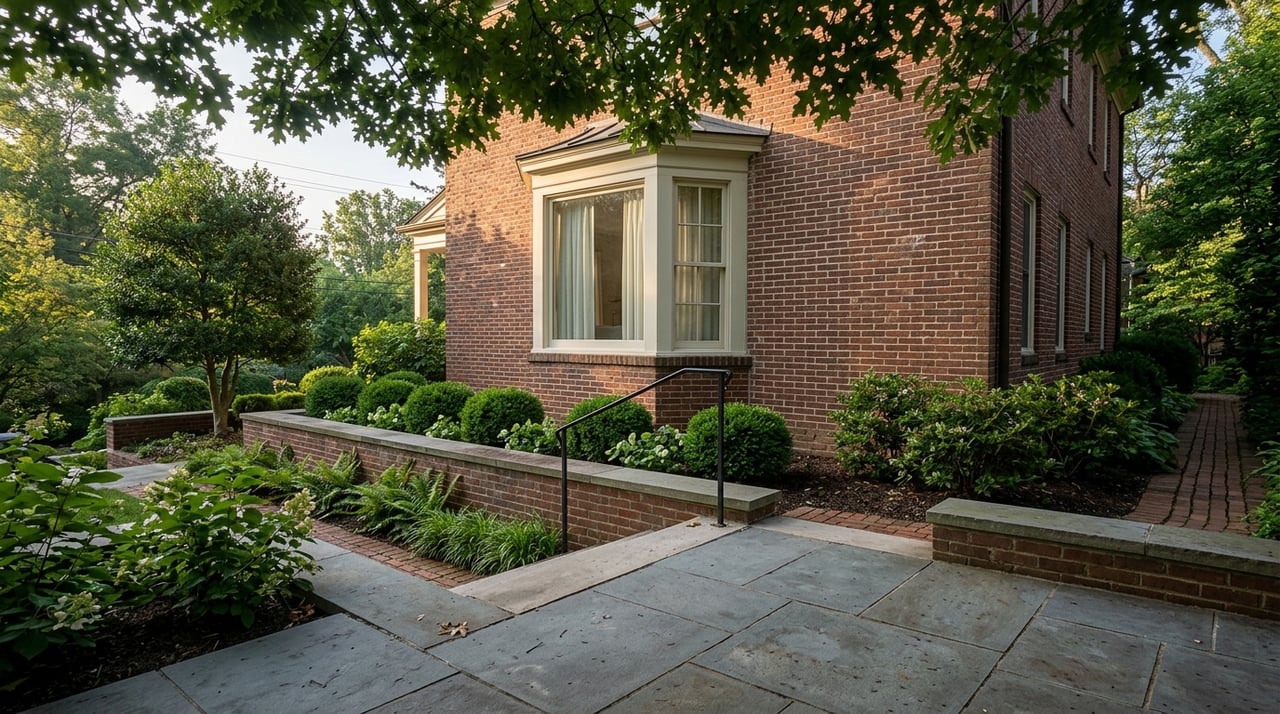
Crestwood is a largely residential neighborhood of single-family homes bordered by 16th Street, Morrow Drive, and Rock Creek Park. Ward 4 planning materials group Crestwood and Shepherd Park among the 16th Street neighborhoods known for large detached homes and townhouses near major parkland. That setting gives both areas a noticeably greener, less dense feel than many rowhouse-heavy parts of the city.
In practical terms, everyday life here tends to feel more settled and spacious. You see more trees, wider lots, and more distance between homes than you might expect in other D.C. neighborhoods. For many buyers, that balance is the appeal: city address, residential rhythm.
Housing character and architectural style
Crestwood’s older estate roots
Crestwood traces back to the subdivision of Thomas Blagden’s Argyle estate. Planning materials note that some of the earliest homes were large late-Victorian houses, and the neighborhood’s historic boundaries still reflect that earlier estate pattern. That history still shapes the look and feel of the streets today.
As you move through Crestwood, the setting reads as established and residential rather than tightly built-out. The neighborhood’s older origins show up in its lot patterns, mature landscape, and housing scale. For buyers who care about setting as much as square footage, that can be a meaningful difference.
Shepherd Park’s 1920s suburban pattern
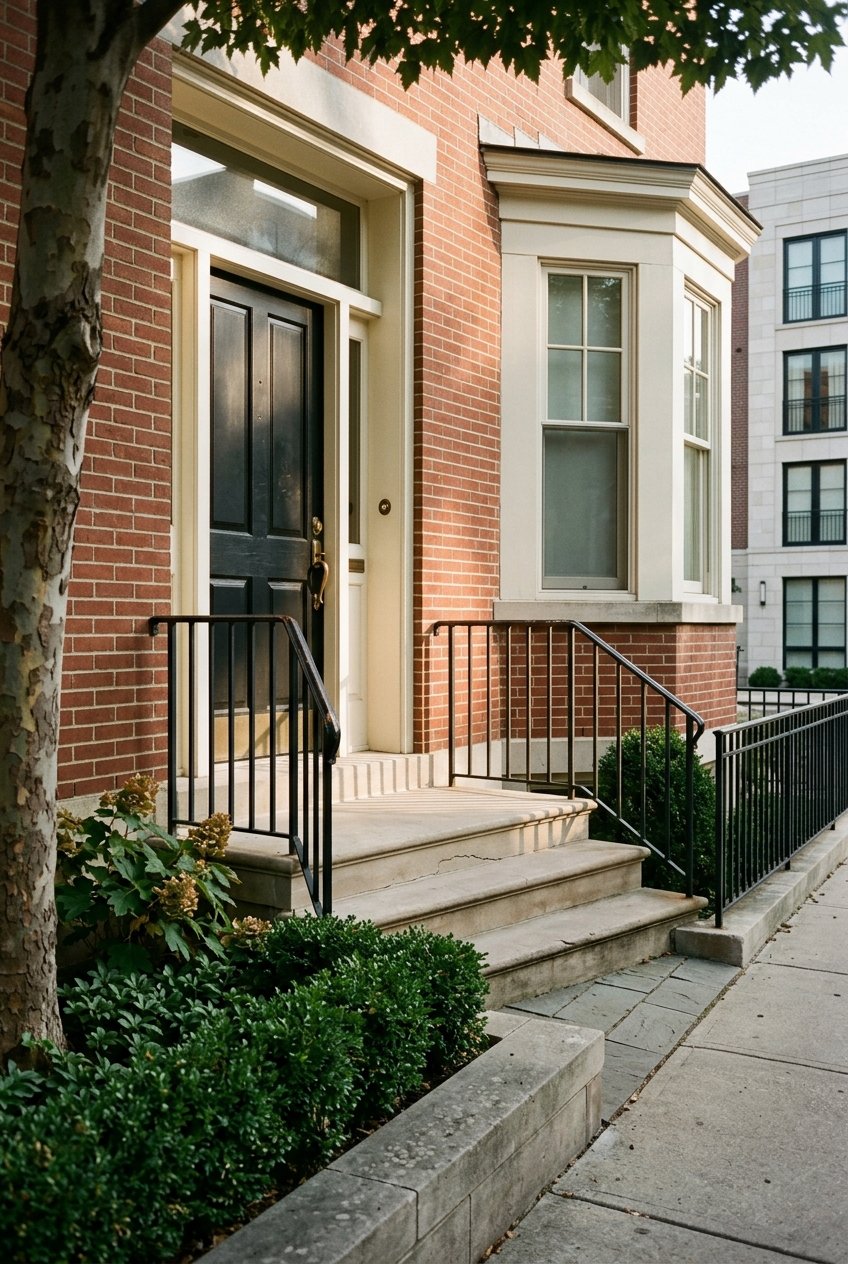
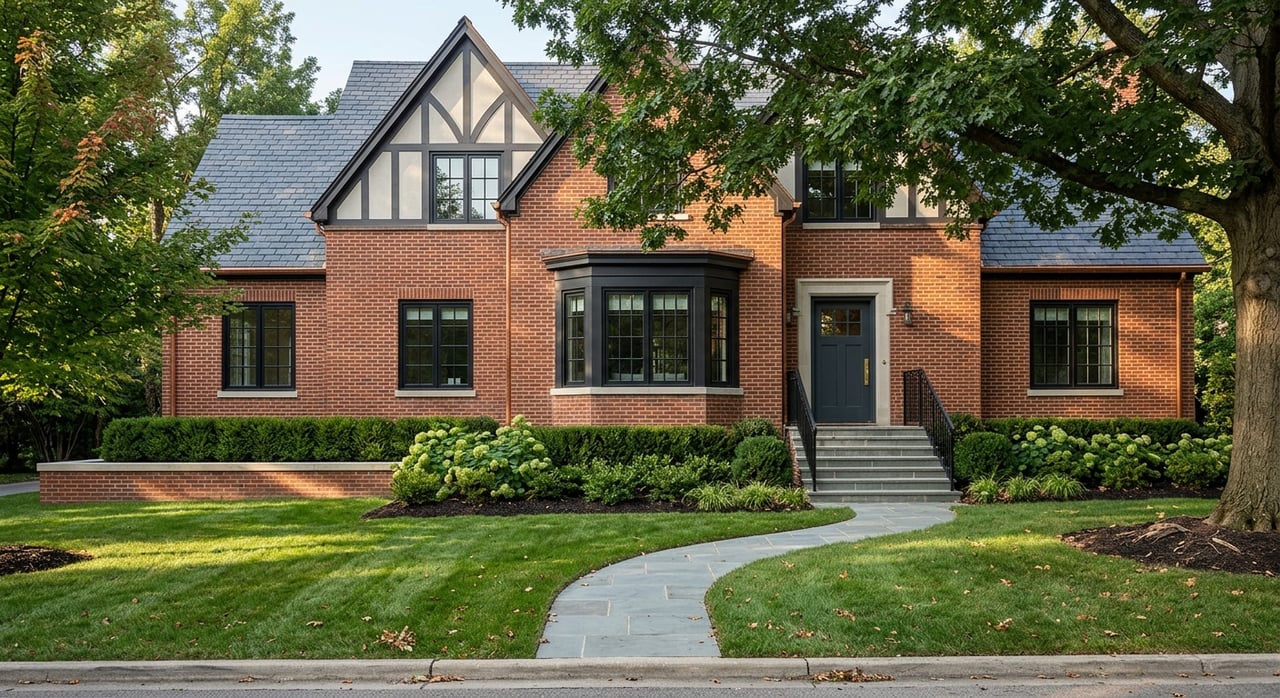
Shepherd Park began as part of the Montgomery Blair estate and later developed as a 1920s suburban subdivision. Ward 4’s heritage guide says the neighborhood is mostly characterized by brick Colonial Revival homes, along with a small number of other styles, including a rare Spanish Colonial example and some auto-era homes with garages.
That mix gives Shepherd Park a strong sense of architectural continuity. Many homes reflect an earlier suburban planning model, with detached forms and a more open streetscape. If you are drawn to classic brick architecture and a neighborhood with visual consistency, Shepherd Park has a distinct identity.
Outdoor living around Rock Creek Park
Rock Creek Park is one of the biggest day-to-day lifestyle advantages for both neighborhoods. The National Park Service says the park includes nearly 3,000 acres in northwest and part of northeast Washington, along with more than 30 miles of hiking trails. Bicycles are allowed on park roads and paved trails, which adds even more flexibility for recreation and routine movement.
Crestwood directly borders Rock Creek Park on the west and south, and Ward 4 planning materials place both Crestwood and Shepherd Park against Rock Creek Park and its tributary parks. That kind of adjacency matters in real life. It means outdoor time can become part of your weekly routine instead of a special trip across town.
For many residents, that likely supports habits like dog walks, trail runs, bike rides, and casual weekend outings. It also helps explain why these neighborhoods feel more tucked away than their location on the D.C. map might suggest. Nature is not just nearby here. It is part of the setting.
Community events shape the social rhythm
One of the most appealing things about Crestwood and Shepherd Park is how organized community life appears to be. These are neighborhoods where civic associations play a visible role and recurring events help create a sense of annual rhythm. That matters if you want a place that feels connected without feeling crowded.
Shepherd Park’s association highlights events like a picnic, yard sale, potluck dinner, garden tour, and Halloween parade. Crestwood’s association points to an Easter egg hunt, Fourth of July parade, Halloween events, a Turkey Trot, and a plant-and-seed swap. Those events suggest a neighborhood culture built around participation, tradition, and local connection.
For buyers comparing neighborhoods, this can be a real differentiator. Some areas offer convenience first and community second. Crestwood and Shepherd Park appear to offer both, with the social side organized through neighborhood groups and recurring local traditions.
Coffee, dining, and daily errands
Residential core, nearby commercial options
Crestwood itself is mostly residential, and Ward 4 planning materials identify Georgia Avenue as the ward’s main commercial spine. Smaller local commercial areas are also noted in places like Takoma, Brightwood, and parts of 14th Street. So while you are not moving here for a dense restaurant strip inside the neighborhood, you are still close to practical everyday options.
That pattern shapes how daily life works. You are more likely to head to nearby corridors for coffee, casual meals, or errands than to walk a few blocks to a long line of storefronts within Crestwood itself. For some buyers, that trade-off is worth it because the quieter residential feel is exactly the point.
Nearby spots people use
Several nearby businesses help illustrate the local rhythm. Merry Pin on Georgia Avenue serves coffee, espresso drinks, pastries, and brunch, while also functioning as a retail and community space. Spice in Shepherd Park offers Jamaican dishes like curry goat, jerk chicken, oxtail, and coco bread.
Rohobot Ethiopian Restaurant at Georgia and Eastern describes itself as a restaurant, bar, and coffee roastery centered on shared Ethiopian dishes. In downtown Takoma Park, Takoma Beverage Company offers coffee, tea, beer, wine, cocktails, and an all-day American cafe menu. Together, these spots reflect a neighborhood-scale dining pattern rather than a destination-heavy one.
Getting around Crestwood and Shepherd Park
Transit follows the main corridors
The clearest commute routes here are 16th Street and Georgia Avenue. WMATA says the D40 runs 24 hours a day between Silver Spring Station and Archives, serving Georgia Avenue stops including Georgia Avenue–Petworth, Shaw-Howard U, Mt Vernon Square, and Gallery Place. The C75 links Takoma Station and Georgia Avenue–Petworth Station and serves Georgia Avenue at Shepherd Street NW.
WMATA also says the D6X provides limited-stop service along 16th Street between Silver Spring Station and Archives, serving the corridor near Shepherd Street NW. These routes give residents strong corridor access even though the neighborhoods are not centered directly on a Metro station.
What that means for daily routine
If you are moving from a more station-centric part of D.C., this may feel different. Transit access is still meaningful, but the experience is more about major bus corridors and station connections than stepping out your door to a Metro entrance. Depending on your routine, that can feel either more flexible or a bit less immediate.
For many buyers, this becomes part of the larger lifestyle equation. You gain a more residential setting, stronger park adjacency, and larger-home character, while commuting often works through a bus-to-rail or car-plus-rail pattern. It is a different version of city living, not a disconnected one.
Who these neighborhoods may suit best
Crestwood and Shepherd Park can make sense if you want room, trees, and architectural character within Washington. They may also appeal if you value recurring community events and a setting that feels established rather than fast-changing. Buyers looking for detached homes or a more suburban streetscape inside the city often notice these neighborhoods quickly.
They may be less ideal if your top priority is living directly on a dense retail corridor or beside a Metro station. The trade-off here is clear: less intensity, more residential calm. For the right buyer, that is exactly what makes these neighborhoods compelling.
Why neighborhood story matters here
In neighborhoods like Crestwood and Shepherd Park, the story of place matters almost as much as the floor plan. Estate-era roots, 1920s suburban development, mature streets, and proximity to Rock Creek Park all shape the day-to-day experience. You are not just choosing a house here. You are choosing a pace and a setting.
That is especially true when evaluating older homes with architectural presence or renovated properties that balance character and modern function. Understanding how the neighborhood developed helps you better understand what makes a home here feel distinctive today.
If you are exploring Crestwood or Shepherd Park and want a grounded perspective on housing character, neighborhood fit, and the nuances that do not show up in a basic search, Ethan Carson can help you read the details and find the right match.
FAQs
What is everyday living like in Crestwood and Shepherd Park?
- Everyday living in Crestwood and Shepherd Park tends to feel quieter and more residential than denser parts of D.C., with tree-lined streets, detached homes, recurring community events, and close access to Rock Creek Park.
What types of homes are common in Crestwood and Shepherd Park?
- Crestwood includes early large late-Victorian homes and other detached residential properties, while Shepherd Park is mostly known for brick Colonial Revival homes, with a few other historic styles also present.
How close are Crestwood and Shepherd Park to Rock Creek Park?
- Crestwood borders Rock Creek Park on the west and south, and planning materials place both Crestwood and Shepherd Park against Rock Creek Park and its tributary parks.
Where do Crestwood and Shepherd Park residents go for coffee and dining?
- Residents often use nearby commercial corridors, especially Georgia Avenue and nearby centers such as Takoma, with examples including Merry Pin, Spice, Rohobot Ethiopian Restaurant, and Takoma Beverage Company.
How do people commute from Crestwood and Shepherd Park?
- Many daily trips rely on major bus corridors like 16th Street and Georgia Avenue, with WMATA routes including the D40, C75, and D6X connecting residents to stations and downtown destinations.