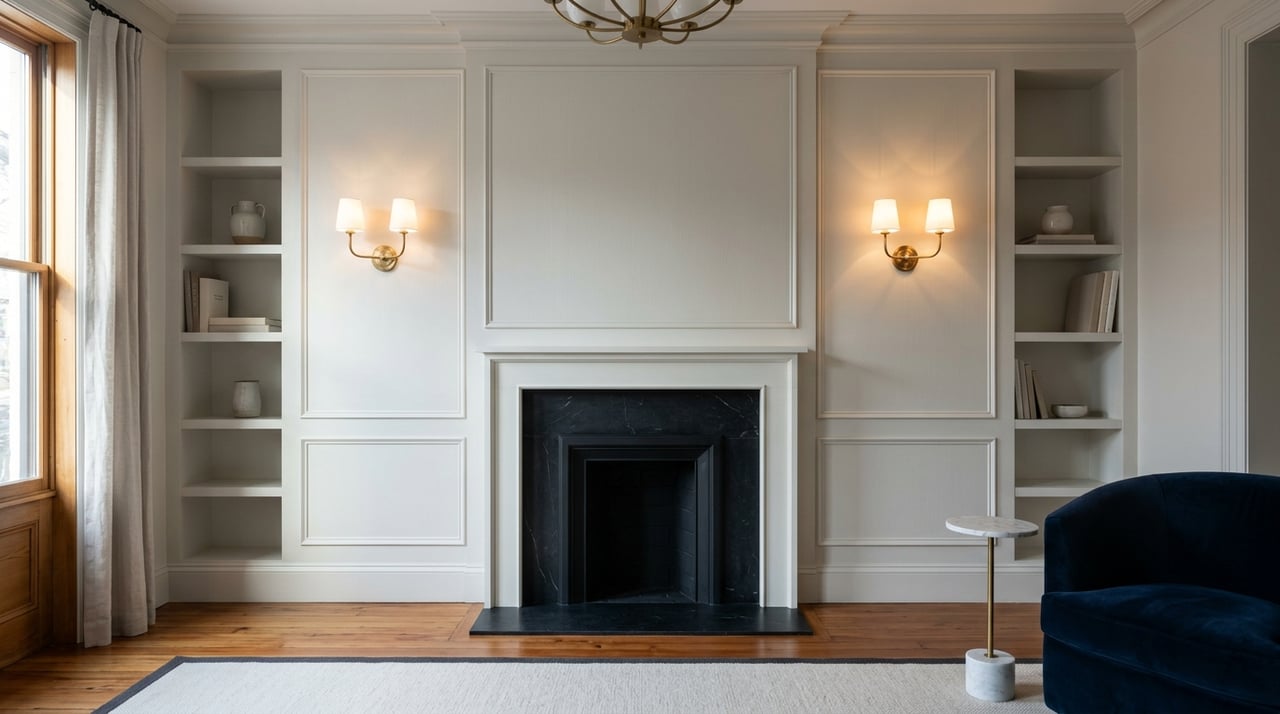
If you own a historic home in Dupont Circle or Logan Circle, pricing it can feel like walking a tightrope. You want to honor the architecture, the work you have put into the property, and the neighborhood’s reputation, but today’s market does not automatically reward charm without proof. The good news is that smart pricing is not guesswork when you understand what buyers are really paying for here. Let’s dive in.
Why historic homes price differently here
Dupont Circle and Logan Circle are both historic districts, but they are not interchangeable markets. Logan Circle Historic District was designated in 1972, with a period of significance from 1875 to 1900. Dupont Circle Historic District was established in 1976 and later expanded, with a broader period of significance from 1875 to 1931.
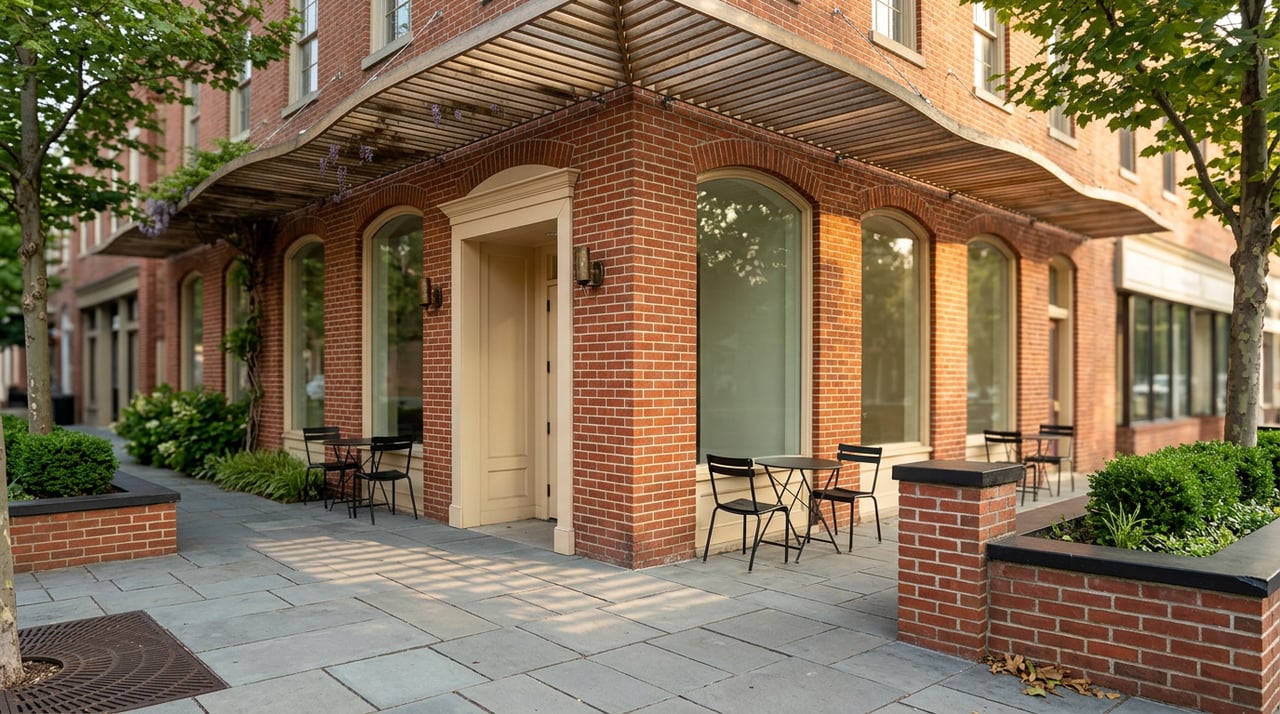
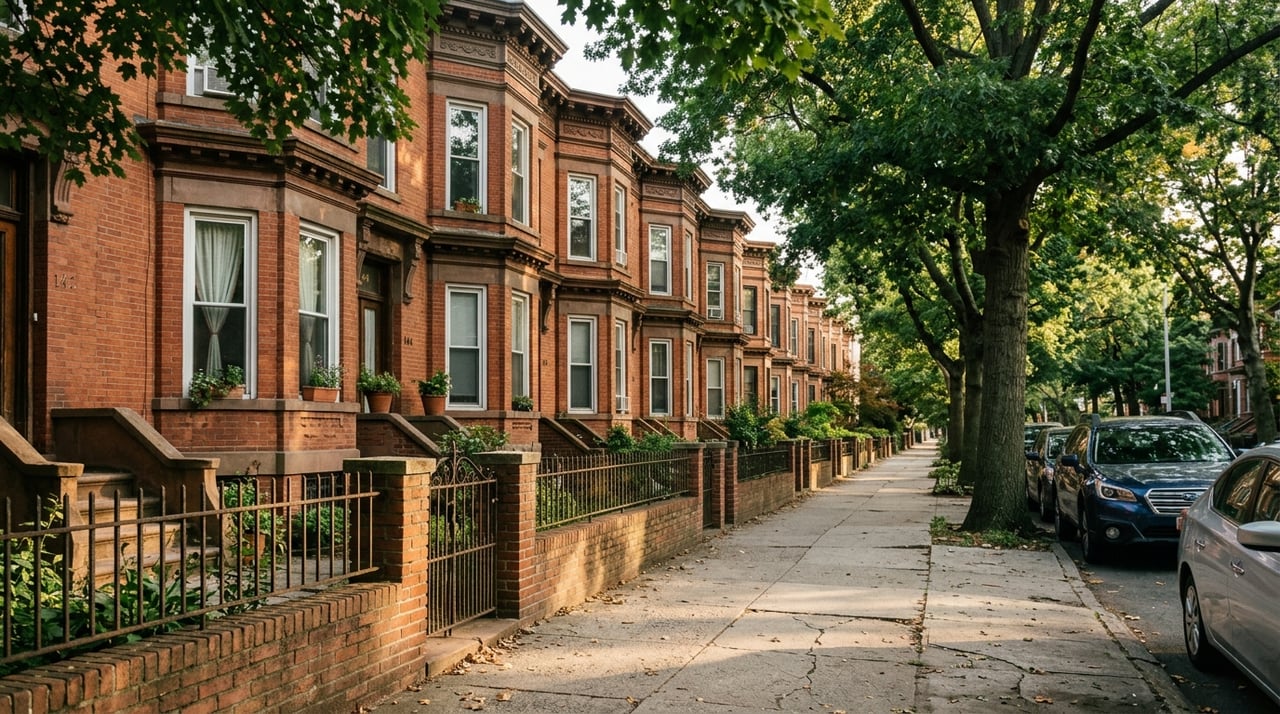
That difference matters because the housing stock is different. Logan Circle is largely defined by 3- to 3.5-story brick rowhouses with stone trim and late-Victorian detailing. Dupont Circle includes a wider mix, from large mansions and freestanding residences on diagonal avenues to three- and four-story brick rowhouses on gridded streets.
When you price a home in either neighborhood, you are not just pricing square footage. You are pricing building type, façade character, architectural integrity, and how your property fits into the narrow pool of homes buyers see as truly comparable.
What the market is saying now
The current numbers point to a market where pricing discipline matters. As of April 2026, Realtor.com shows Dupont Circle with 132 homes for sale, a median listing price of $499,900, and a median of 33 days on market. The same snapshot classifies Dupont Circle as a buyer’s market in March 2026, with a 98% sale-to-list ratio.
Redfin’s closed-sale data for the three months ending April 2026 shows Dupont Circle with a median sale price of $582,284, a median sale price per square foot of $666, and average days on market of 57. Redfin describes the neighborhood as somewhat competitive, with homes selling about 2% below list on average.
Logan Circle is broadly pricier and slower. Realtor.com’s April 2026 snapshot shows 168 homes for sale, a median listing price of $700,000, a median of 35 days on market, and a 98% sale-to-list ratio. Redfin’s closed-sale data for the same period shows a median sale price of $834,690, median sale price per square foot of $668, and average days on market of 95.
The broader Washington metro market supports the same message. Bright MLS reported that in January 2026, active listings were up 18.0% year over year, median days on market rose to 36 days, and median sold price reached $585,000. In plain terms, buyers have more choices than they did during peak-competition years, so overpricing is easier to punish.
Architectural integrity drives value
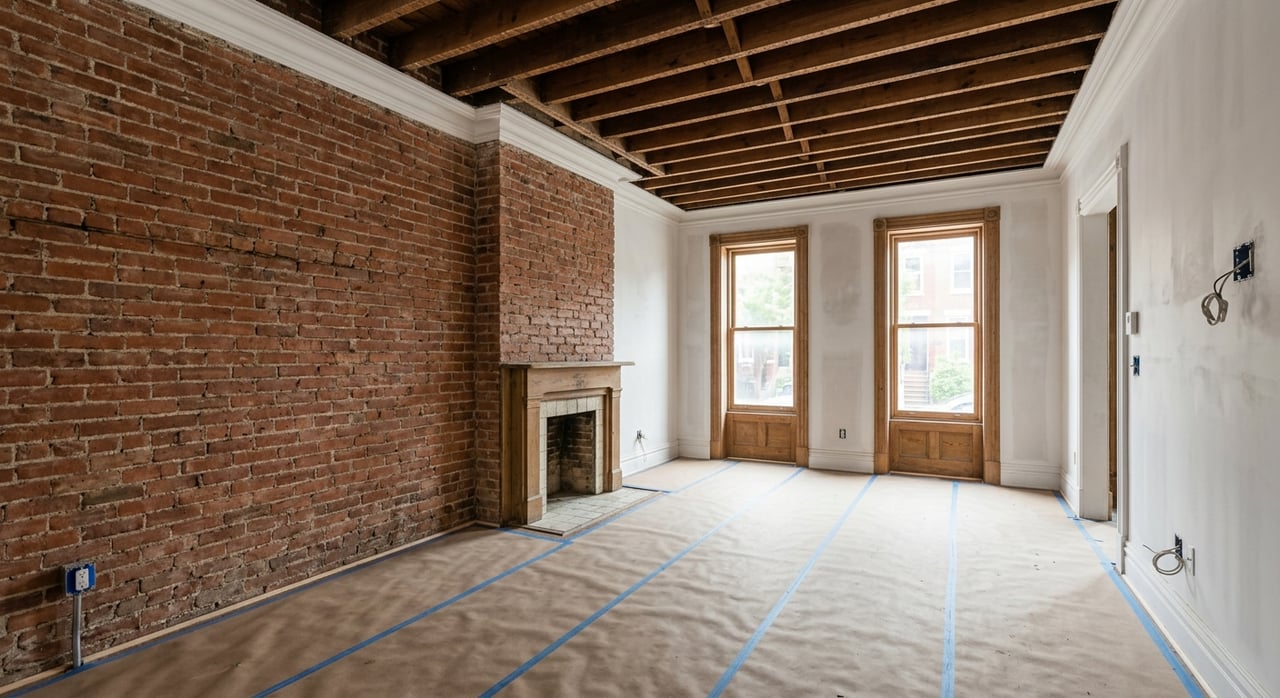
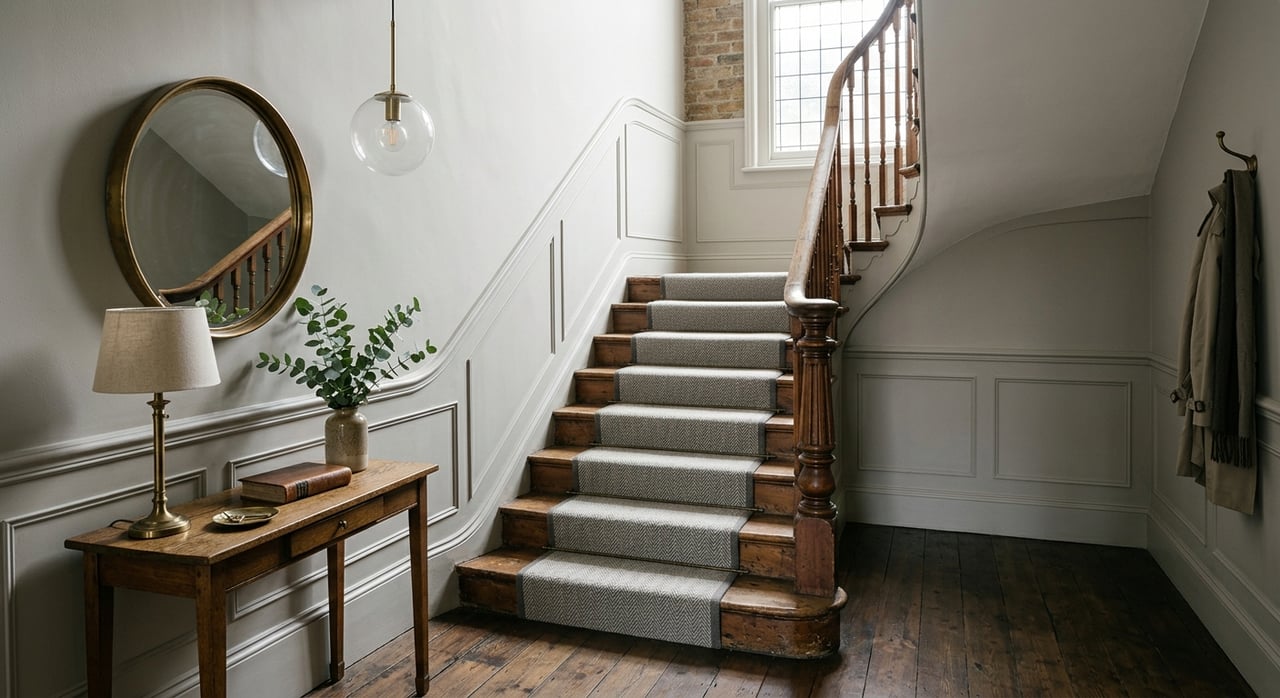
In Dupont and Logan, buyers often pay a premium for the elements that are hardest to recreate. That includes original masonry, stone trim, porches, cornices, bay windows, rooflines, doors, and windows that preserve the home’s proportions and street presence.
This is especially important in historic districts because those visible details are part of what makes the home scarce. In Dupont Circle, buyers may respond to Queen Anne, Richardsonian Romanesque, Beaux-Arts, and Georgian Revival features. In Logan Circle, the market often values the classic brick rowhouse form and late-Victorian detailing that define the district.
If your home has kept those character-defining elements intact, that should shape pricing and marketing. If those elements have been removed, simplified, or altered in a way that feels out of sync with the building, buyers may view the home less favorably than a basic spreadsheet would suggest.
Renovation quality matters more than renovation age
A recent renovation does not automatically justify a premium. In these neighborhoods, buyers tend to care less about whether a project is new and more about whether it was done well and in a way that respects the building.
That matters because DC’s preservation framework puts real weight on exterior changes. Major exterior work on historic properties generally requires review, including front and side additions, large rear additions, roof decks visible from the street, new or altered front openings, and major changes to distinctive architectural features.
By contrast, some work is exempt or lower priority, such as painting, minor repairs, storm windows, and rear decks, patios, and fences that are not prominently visible from a public street. For pricing, that means compliant, well-integrated improvements usually help more than flashy changes that are hard to defend, hard to permit, or visually out of character.
Outdoor space is not all equal
Outdoor space is valuable in both neighborhoods, but type and visibility matter. A private rear garden, patio, or well-integrated rear terrace may support value more cleanly because these features are generally easier to execute within preservation expectations when they are not prominently visible from the street.
A visible roof deck or front-facing addition is a different story. Those elements face heavier review, and buyers may be more cautious if they believe the design changes the roofline or weakens the façade. In a historic district, not all exterior square footage carries the same pricing power.
If you are comparing your home to another listing, be careful not to treat every outdoor feature as interchangeable. The market often values outdoor space most when it feels private, functional, and naturally tied to the home’s architecture.
Condos and amenities need the right comp set
Not every historic property in Dupont or Logan is a rowhouse. Some sellers are pricing condos, co-ops, or converted flats, and those homes need a different lens.
Both neighborhoods are highly walkable and transit-rich. Redfin’s embedded scores place Dupont Circle at 98 Walk, 87 Transit, and 96 Bike, while Logan Circle scores 96 Walk, 90 Transit, and 95 Bike. Because location convenience is already built into the neighborhood, building amenities like an elevator, concierge, parking, storage, package handling, or roof terrace should be judged against similar building types, not against a renovated townhouse around the corner.
That distinction matters even more in a market where broader metro data shows condos softening relative to detached homes. Monthly carrying costs, amenity package, and building class all belong inside the pricing conversation.
How to choose the right comps
The first filter is property type. A rowhouse should be compared to rowhouses, a mansion to mansions, a condo to similar condos, and a converted flat to comparable conversions. If you skip that step, your price opinion can become misleading fast.
The second filter is condition and preservation context. Look closely at original masonry, window condition, porch integrity, ceiling height, outdoor space, parking, and whether additions appear permitted and compatible with the building. In Dupont Circle especially, building form and street character can vary significantly, so comps should stay as close as possible in façade type and block feel.
The third filter is renovation tier. Buyers do notice the difference between a quick cosmetic refresh and a renovation that feels thoughtful, durable, and architecturally coherent. In these neighborhoods, finish quality only helps if it works with the house rather than against it.
Why pricing high can backfire
The numbers show that homes in both neighborhoods are closing near list, but not automatically above it. Realtor.com’s snapshots put both Dupont Circle and Logan Circle at a 98% sale-to-list ratio. Redfin’s sold data also points to average sale results slightly below list.
That means an aggressive list price needs real support. If your home has superior condition, unusually strong outdoor space, rare architectural integrity, or a scarce building profile, you may have room to push. If not, a price that reaches too far can lead to extra days on market, repeated reductions, and weaker negotiating power.
In Logan Circle especially, the spread appears wider between homes that are positioned well and homes that linger. That often tells you the market is still active, but more selective.
Timing still matters
Seasonality has not disappeared in central DC. Bright MLS noted that some sellers held back in January 2026 waiting for warmer weather, while the market also showed more listings and more activity than a year earlier.
For you, that creates a simple tradeoff. Spring may bring more buyer traffic, but it also brings more competing inventory. If your home is going to market in a busy season, preparation matters even more because buyers can compare your property against more alternatives in real time.
This is where thoughtful pre-market work can make a difference. For historic homes, presentation should highlight what is rare, document what has been improved, and remove distractions that make buyers question condition or compliance.
A practical pricing framework for sellers
If you want a grounded way to think about value, start here:
- Preserve and document what is rare. Original details, façade integrity, and well-kept architectural features often matter more than generic updates.
- Price within the right property type. Do not let a townhouse price get pulled by condos, or vice versa.
- Match the price to renovation quality. Buyers reward work that feels intentional and compatible.
- Treat permit history seriously. Clear documentation helps reduce buyer hesitation.
- Be realistic about presentation. Historic charm helps, but it does not erase deferred maintenance or awkward design choices.
A home with intact character and a well-documented renovation may justify stronger pricing. A home with unclear exterior changes, deferred maintenance, or a layout burdened by awkward add-ons should usually expect more negotiation.
What to ask before you hire a listing agent
In Dupont and Logan, pricing historic homes is a specialized exercise. You want an agent who can explain which comps are truly comparable by property type and renovation level, how original character will be weighed against new finishes, and how permit or historic review documentation will be positioned.
You should also ask how outdoor space and building amenities will be benchmarked, and what the plan is if the first two weeks do not produce the expected level of showings or offers. A strong answer should feel like a pricing audit, not a generic pitch.
For sellers of historically significant homes and renovated townhouses, this is where a more tailored approach can stand out. Story-driven marketing, curated pre-market preparation, and neighborhood-specific positioning can help buyers understand not just what the home is, but why it deserves attention in a competitive field.
If you are thinking about selling in Dupont Circle or Logan Circle, the right pricing strategy starts with local evidence and a clear read on what makes your home rare. When you are ready for a tailored pricing conversation and a marketing plan built around provenance, presentation, and buyer psychology, connect with Ethan Carson.
FAQs
How should you price a historic home in Dupont Circle?
- Start with property type, architectural integrity, renovation quality, and recent comparable sales in Dupont Circle rather than relying on neighborhood averages alone.
How should you price a historic home in Logan Circle?
- Focus on comparable rowhouses or similar building types, account for preservation-sensitive exterior features, and be realistic about market time because Logan Circle has recently shown slower average days on market than Dupont Circle.
Do historic renovations add value in Dupont and Logan?
- Yes, but mainly when the work is well executed, compatible with the building, and supported by clear documentation for exterior changes that required review.
Does outdoor space increase value for historic homes in Washington, DC?
- Often yes, but private rear outdoor space may be easier to monetize than highly visible exterior changes that affect the roofline or façade.
Are Dupont Circle and Logan Circle seller’s markets right now?
- Recent Realtor.com snapshots classified both neighborhoods as buyer’s markets in March 2026, even though many homes are still selling near list when priced and positioned well.
What should sellers ask an agent about pricing a historic DC home?
- Ask how the agent selects comps by property type and renovation tier, how historic character is valued, how permit history is handled, and what pricing adjustments will happen if early buyer response is weak.