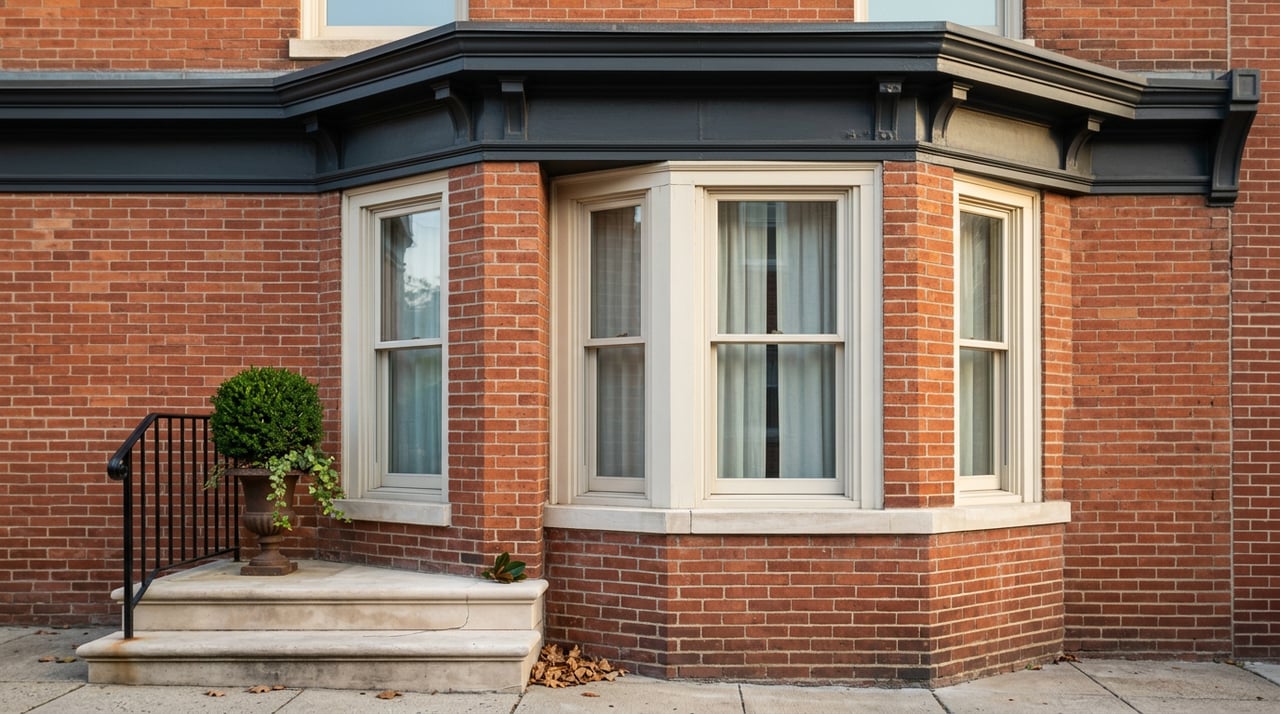
Wondering whether a pre-inspection is worth it in Dupont Circle or Logan Circle? In these central DC neighborhoods, that question comes up often because many homes have history, layers of updates, and details that are not always obvious at first glance. If you are buying or selling here, a pre-inspection can help you reduce surprises, plan your next steps, and make decisions with more confidence. Let’s dive in.
Why pre-inspections matter here
A pre-inspection is a home inspection done before a property is listed or before a buyer finalizes an offer strategy. The Consumer Financial Protection Bureau explains that a home inspection is an independent review of a home’s physical condition, separate from an appraisal.
That matters in Dupont and Logan because the housing stock is varied and often older. According to DC Planning, Dupont Circle includes historic architecture and diverse housing types, while the 14th Street and Logan Circle area includes historic mansions, rowhouses, and high-rise apartment buildings. In practical terms, older properties and mixed ownership structures can make early inspection information especially useful.
What a pre-inspection can do
A pre-inspection does not guarantee a perfect transaction. It does give you more information earlier, which can improve timing, negotiation, and planning.
For buyers, that may mean understanding a property before deciding how strong or flexible your offer should be. For sellers, it may mean identifying issues before photos, pricing, and showings begin.
When buyers benefit most
If you are buying in Dupont or Logan, a pre-inspection can be most helpful when you are looking at an older rowhouse, historic property, or condo in a building with aging systems. These homes often have character and appeal, but they can also have deferred maintenance, earlier renovations, or hidden issues that deserve a closer look.
The CFPB notes that buyers may be able to negotiate repairs or credits after an inspection, and if the contract includes an inspection contingency, a buyer may be able to cancel without penalty if the results are not acceptable. That is why getting inspection information early can help you decide whether to keep, narrow, or waive contingencies with clearer eyes.
Buyers gain leverage and clarity
A pre-inspection can help you answer practical questions fast:
- Are there visible structural or maintenance concerns?
- Do major systems appear near the end of their useful life?
- Is this a home you want to pursue aggressively, cautiously, or not at all?
- Should you budget for specialist follow-up inspections?
In a competitive setting, speed matters. The CFPB recommends scheduling the inspection as soon as possible so there is time to address problems, and Fannie Mae recommends attending the inspection if you can so you better understand the report and ask questions in real time.
DC disclosures still do not replace your own inspection
Washington, DC requires sellers to disclose actually known defects in areas like structure, plumbing, electrical, heating and cooling, water and sewer systems, infestation history, appliances, and certain fixtures. DC law also requires disclosures related to lead test results, lead-bearing plumbing, and lead service line status, as outlined in the DC property disclosure statute.
That said, a seller is not responsible for issues that could only be discovered by inspecting inaccessible areas or by a specialist beyond the seller’s knowledge. So even when disclosures are complete, your own inspection can still reveal issues that matter to your decision.
Lead is a major local reason to inspect early
Lead is one of the strongest reasons to take pre-inspections seriously in older central DC housing. Federal HUD and EPA disclosure rules apply to housing built before 1978 and require sellers to provide a lead hazard pamphlet, disclose known lead-based paint hazards, share available reports, and allow a 10-day period for a lead risk assessment or inspection unless that right is waived.
In Dupont and Logan, where older homes are common, this issue is especially relevant. If a property raises concern, a general home inspection may not be enough on its own.
A standard inspection has limits
This is an important point for buyers. Fannie Mae notes that a standard home inspection does not typically cover pests, radon, asbestos, mold, or lead, and it is not intended to verify code compliance or estimate repair costs.
So if a property shows signs of moisture, older materials, pest activity, or lead-related concerns, you may need specialist inspections in addition to the general inspection. A pre-inspection helps you spot when that next layer of diligence may be worth it.
Water lines deserve extra attention
Older DC homes may also warrant a closer look at water service lines. DC Water explains that lead service lines were mostly installed before the mid-1950s, though records exist as late as 1977, and the utility provides a service-line inventory map owners can use to check a property.
For buyers considering older homes in Dupont or Logan, that is another reason to investigate early rather than wait until late in the contract process.
When sellers benefit most
If you are selling, a pre-listing inspection can help you control the process before your home hits the market. That is often valuable in historic homes, renovated townhouses, and condos where details matter and surprises can interrupt momentum.
A seller pre-inspection can help you:
- Spot issues before buyers do
- Decide what to repair, disclose, or price around
- Reduce the chance of last-minute renegotiation
- Prepare cleaner marketing and launch timing
Rocket Mortgage’s consumer guide notes that a seller pre-inspection can help avoid unpleasant surprises, prioritize repairs, and potentially speed the sales process. In a neighborhood where presentation and preparation often shape buyer response, that can be a meaningful advantage.
Sellers should weigh the disclosure tradeoff
There is a real tradeoff, though. A pre-inspection may uncover issues you did not know about, and once known, those issues may affect what must be disclosed.
DC law requires sellers to provide the Mayor-approved disclosure statement before or at the time the purchase agreement is signed. If it is delivered later, the buyer may generally have a limited right to terminate after receipt, according to the DC disclosure law.
In other words, a pre-inspection can give you control, but it can also create new obligations. That does not make it a bad idea. It just means the choice should be intentional.
Older homes make this decision more important
In Dupont and Logan, many sellers are dealing with homes that have been updated over time, not built all at once in recent years. That makes pre-listing due diligence more useful, especially when lead-related disclosures or older systems may become part of the conversation.
For some sellers, finding issues early creates a chance to make thoughtful repairs and present the home with more confidence. For others, the better path may be to disclose clearly and price accordingly.
Condo owners need a wider lens
If you are buying or selling a condo, the unit inspection is only part of the picture. Fannie Mae defines common elements as areas or components owned or managed for the benefit of all owners, such as corridors, parking areas, and access points.
That matters because a condo buyer is not just evaluating the unit itself. Building systems, reserves, planned capital projects, insurance, and other shared items can affect ownership experience and costs.
DC condo law also requires sellers to provide condominium instruments and a certificate covering items such as reserves, financial condition, planned capital expenditures, pending suits, insurance coverage, and prior alterations. If those documents are not provided on time, the buyer may have cancellation rights.
So in condo transactions, a pre-inspection may still help, but it should be paired with a careful review of the building documents. In Dupont and Logan, where condo buildings can range from converted historic homes to larger apartment-style properties, that distinction matters.
What does a pre-inspection cost?
Cost is part of the decision, especially if you are a buyer trying to move quickly or a seller deciding how much pre-market preparation to do. Recent consumer estimates place a standard home inspection in the mid-$300s nationally.
Angi reports an average of $343, while Rocket Mortgage notes that many inspections run about $300 to $425. In older or more complex Dupont and Logan properties, specialty tests and added scope can raise the total.
When a pre-inspection may not be worth it
Not every property needs one. The case is usually weaker when the home is newer, well documented, and less likely to have hidden age-related issues.
That is consistent with Rocket Mortgage’s guidance, which notes that relatively new homes may be less compelling candidates for a pre-listing inspection, while older homes are stronger ones. The key is not to treat pre-inspection as automatic. It is a tool, not a rule.
The bottom line in Dupont and Logan
For many buyers and sellers in Dupont Circle and Logan Circle, a pre-inspection is a smart move, especially when the property is older, historic, condo-based, or likely to have hidden systems or lead-related questions. It can help you reduce surprises, strengthen your planning, and make better decisions on timing and negotiation.
It also has limits. A general inspection is only a snapshot, not a guarantee, and some concerns may still require specialists. The best approach is the one that fits the property, the timing, and your risk tolerance.
If you are weighing how to prepare a historic listing or how to evaluate an older home in central DC, working with someone who understands the nuances of these neighborhoods can make the process much clearer. If you want a thoughtful, local strategy for your next move, connect with Ethan Carson.
FAQs
Should buyers get a pre-inspection in Dupont Circle before making an offer?
- A pre-inspection can be especially helpful in Dupont Circle when you are considering an older or historic property and want better information before deciding on contingencies, repairs, or offer strength.
Should sellers order a pre-listing inspection in Logan Circle?
- A pre-listing inspection in Logan Circle can help sellers identify issues early, plan repairs or pricing, and reduce surprises during negotiations, but it can also create new disclosure obligations.
Do DC seller disclosures replace a buyer’s home inspection?
- No. DC disclosures cover actually known defects, but some issues may only be discovered through a buyer’s own inspection or a specialist review.
Are lead concerns more important in older Dupont and Logan homes?
- Yes. Older homes may trigger federal lead-disclosure requirements, and buyers may want to investigate lead-related risks early, especially in housing built before 1978.
Does a standard home inspection cover mold, asbestos, or lead?
- No. According to Fannie Mae, standard inspections generally do not cover mold, asbestos, lead, radon, or pests, so specialist testing may still be needed.
How much does a pre-inspection usually cost in Washington, DC?
- National consumer estimates place standard inspections in the mid-$300s, though older or more complex properties in DC can cost more if additional testing is needed.