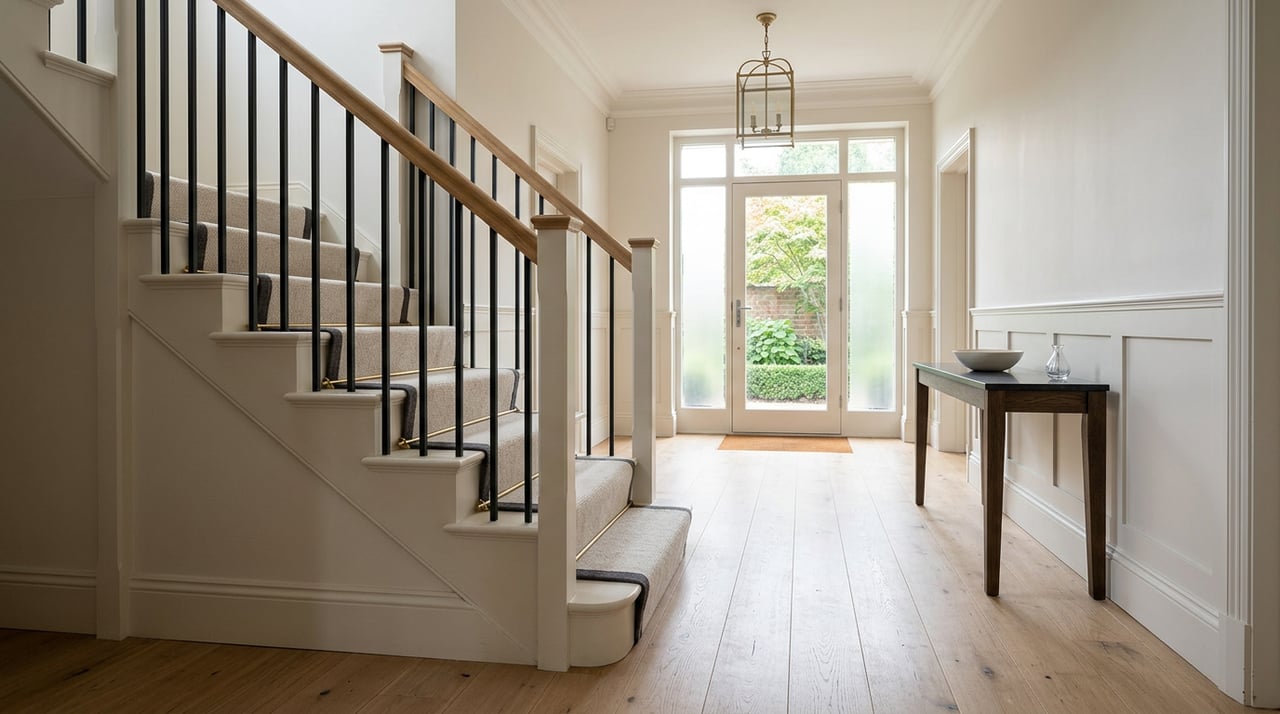
Selling in Chevy Chase means balancing historic charm with modern expectations. You want to honor your home’s character while presenting a fresh, move‑in ready look that stands out online and in person. This guide walks you room by room through what to fix, what to refresh, and what to stage so you launch with confidence and avoid delays. Let’s dive in.
What Chevy Chase buyers want
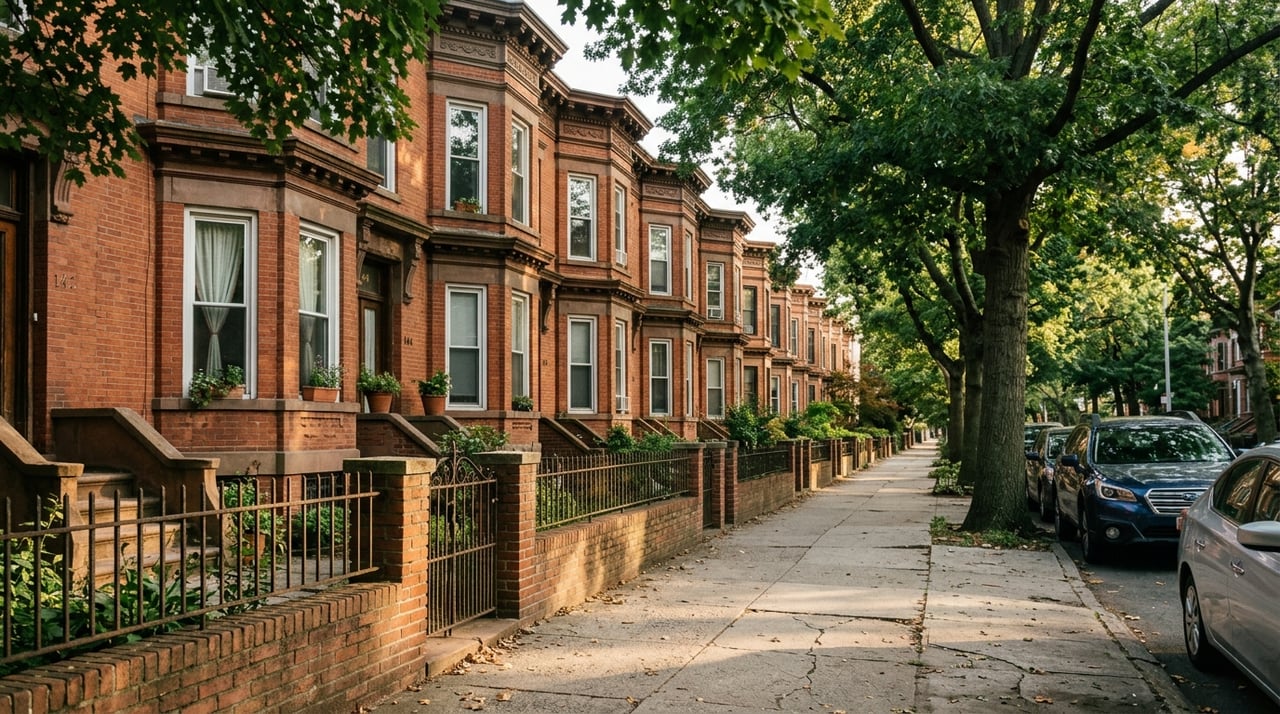
Chevy Chase sits on the northwest edge of D.C., where tree‑lined streets and early‑20th‑century homes meet city convenience. Buyers often respond to homes that highlight nearby green space, quick access to Connecticut Avenue shops and dining, and easy transit connections. Many also value proximity to well‑regarded public and private schools, so keep features like quiet work spaces and flexible bedrooms in focus. Your prep plan should surface these strengths in photos, copy, and staging.
Start with safety and systems
Address obvious issues before you touch paint or decor. Fix active leaks, electrical hazards, non‑working HVAC, and structural defects first. These problems can scare buyers, derail appraisals, or slow financing. A quick pre‑listing walk with your agent or a pre‑listing inspection helps you prioritize must‑do items, which aligns with common appraisal flags noted in HomeLight’s guidance on pre‑listing repair focus.
Permits and historic considerations
If your plans include structural changes, new HVAC, electrical or plumbing, or an addition, start early with the DC Department of Buildings. Review permit categories and timelines on the DOB permits page. Cosmetic work like interior painting usually does not require a permit, but always confirm specifics with the DOB.
Chevy Chase has also seen discussion around a potential historic district. As of spring 2024, the District’s Historic Preservation Office was not prepared to recommend the nomination for board consideration, but the status could evolve. If you are planning exterior work that could trigger review, check recent coverage and confirm current guidance before you begin. See Washingtonian’s report on the historic‑district debate.
High‑impact updates with ROI in mind
You do not need a gut renovation to compete. Focus on midrange, visible improvements that show well in photos and recoup a meaningful share of cost. The 2024 Remodeling Cost vs Value report is a useful benchmark for planning and expectations.
Curb appeal that pays off
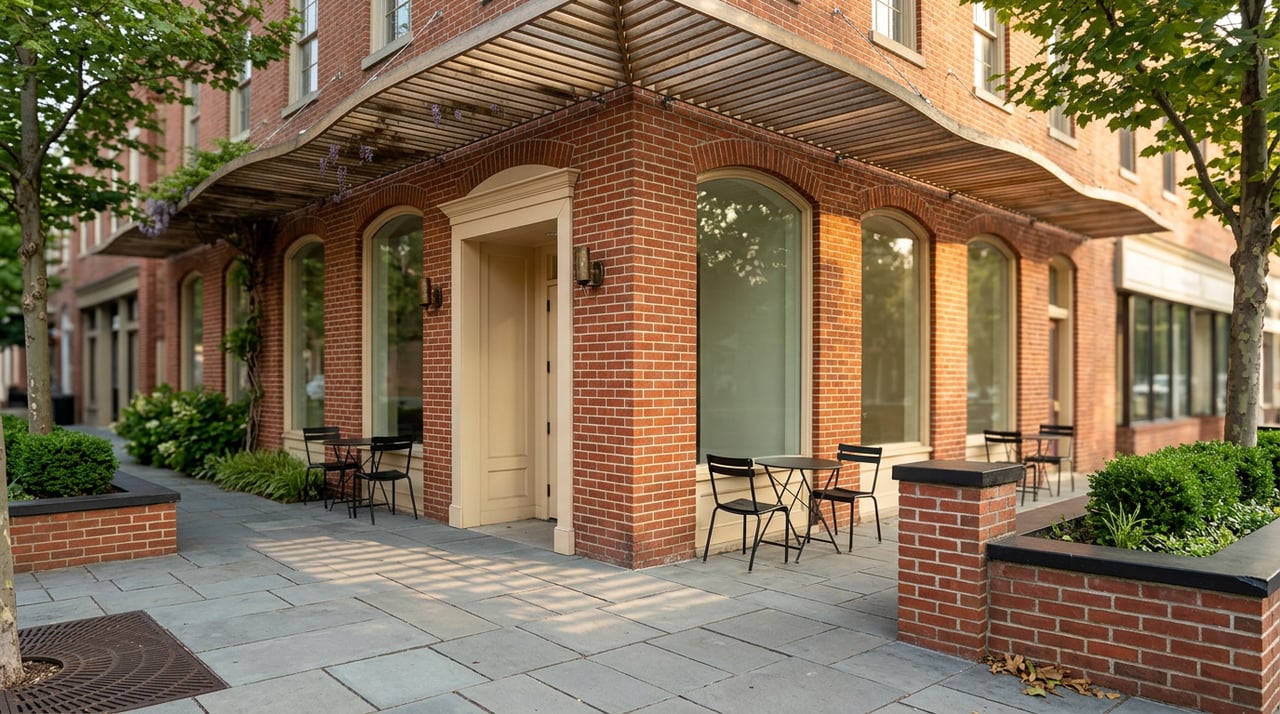
First impressions start at the sidewalk. Remodeling’s Cost vs Value identifies several exterior projects with strong recoup percentages, including new entry doors and focused facade updates. Use these quick‑hit ideas to shift buyer perception on day one:
- Power‑wash the facade, walkway, and steps.
- Trim hedges and trees, refresh mulch, and define edges.
- Paint or stain the front door, and clean or replace house numbers and lighting.
- Repair or level uneven walkways and steps.
Review national and regional ROI trends in the 2024 Cost vs Value report.
Kitchens that sell
A minor kitchen refresh often outperforms a full overhaul on cost recovery. Think paint or reface cabinet fronts, replace dated hardware, clean up caulk and grout, and consider a midrange countertop or appliance swap if condition warrants. Cost vs Value data shows midrange kitchen projects commonly recoup a large share of spend, which makes them a practical choice for resale in Chevy Chase.
Bathrooms that feel new
Buyers react to clean tile, bright lighting, and modern fixtures. Regrout, replace worn caulk, update vanity lights and plumbing fixtures, and ensure ventilation works well. Midrange bath improvements often recoup a solid portion of cost per the 2024 Cost vs Value benchmarks.
Room‑by‑room prep checklist
Entry and exterior
- Power‑wash siding, steps, and walkway.
- Trim canopy trees and shape hedges for a tidy facade.
- Refinish or paint the front door, polish hardware, refresh house numbers.
- Add planters and fresh mulch for color and contrast.
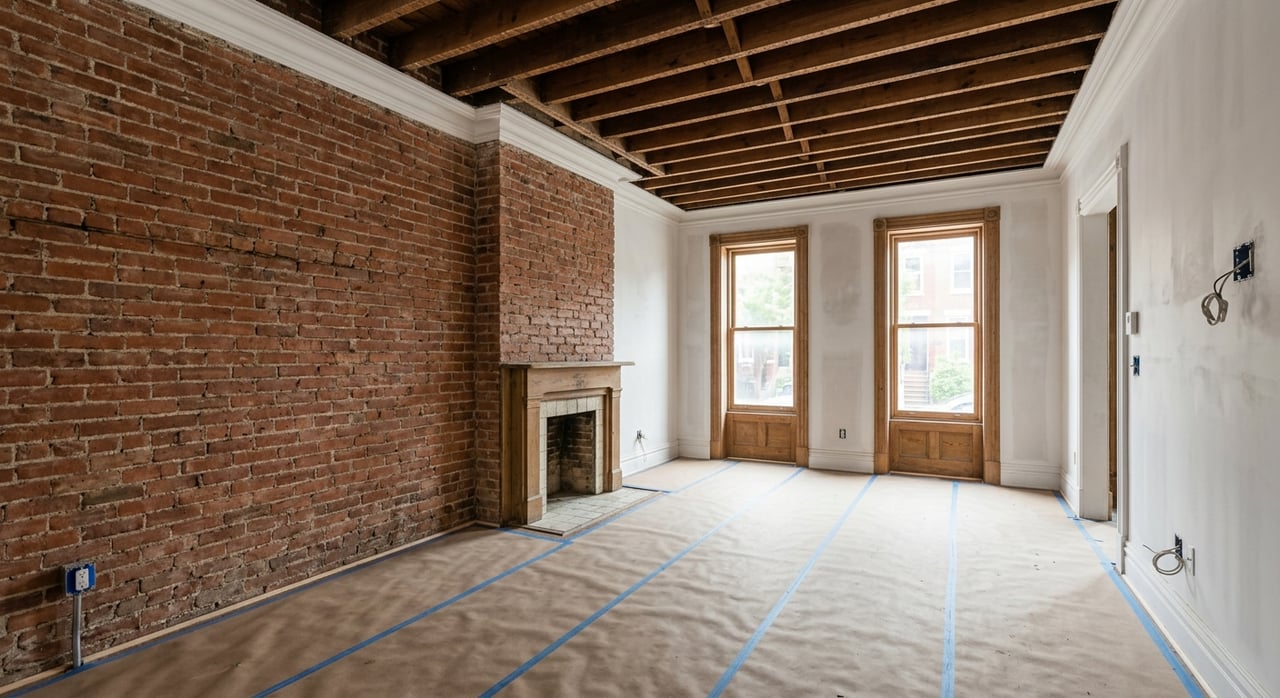
Living and dining rooms
- Remove extra furniture to open pathways and sightlines.
- Paint walls a light, neutral color to maximize natural light.
- Repair or refinish floors where worn, and deep clean area rugs.
- Clean the fireplace, and stage the mantle with simple, balanced decor.
Kitchen
- Clear countertops of small appliances and papers.
- Regrout or recaulk where needed, repair chips, and clean appliances.
- Paint or reface cabinets and replace dated pulls for a quick style lift.
- Consider a modest countertop or appliance update if comps demand it. See ROI ranges in the Cost vs Value report.
Primary bathroom
- Fix any leaks and ensure good ventilation.
- Regrout tile, refresh caulk lines, and replace worn shower liners or doors.
- Update lighting and fixtures for a cohesive, hotel‑clean look.
Bedrooms and closets
- Declutter and pre‑pack to showcase storage capacity.
- Use neutral bedding and minimal decor to suggest calm and space.
- Remove bulky dressers if closets are large enough to carry the load.
Basement and crawlspace
- Dehumidify and address any signs of water intrusion.
- Clean, paint, and brighten with higher lumen bulbs where safe and appropriate.
- Disclose known issues and repairs clearly, a best practice that supports smoother appraisals and negotiations in line with pre‑listing inspection insights.
Staging and photography that convert
Staging helps buyers picture daily life in your home. The National Association of Realtors’ Profile of Home Staging reports that about 80 percent of buyer agents say staging helps buyers visualize properties, and roughly 48 percent of seller agents saw reduced time on market. Median spend reported was about $600 when a professional stager was hired and $400 when staged by the agent. See the full findings in NAR’s 2023 Profile of Home Staging.
Prioritize the living room, primary bedroom, and kitchen. In Chevy Chase, these spaces carry much of the decision‑making weight, especially for buyers seeking suburban comfort with city access.
Online presentation matters just as much. Listings with strong visuals attract more views and showings. Plan for professional photography, at least one readable floor plan, and a short video or 3D tour. For higher‑priced homes, aim for 20 or more high‑quality images. See performance insights in this roundup of photography ROI data.
Marketing to Chevy Chase strengths
Lean into what makes the neighborhood special. Use photo captions and description copy to highlight proximity to Rock Creek Park, Connecticut Avenue retail and dining, and transit access in the northern portion of the neighborhood. Stage a quiet reading nook, a flexible office, or a mudroom drop zone that fits an outdoor‑active lifestyle.
When planning your hero image, consider a wide exterior shot that captures the tree canopy and approach to the home. Inside, lead with the main gathering space, then the kitchen and primary suite. A simple, labeled floor plan helps buyers understand flow and storage.
Timelines and simple budgets
- Quick prep, 1 to 3 weeks: decluttering, paint, deep clean, selective staging, photography.
- Moderate refresh, 3 to 8 weeks: flooring updates, minor kitchen or bath work that does not require structural permits, contractor scheduling and materials.
- Major projects, 2 months or more: additions or mechanical changes that require full DOB review or historic review if applicable. Start early with the DOB permits page.
Representative ranges from the 2024 Cost vs Value report can help with ballpark planning, then confirm with local bids:
- Minor midrange kitchen refresh: roughly $25,000 to $35,000, often with high cost recovery in many markets.
- Midrange bath improvements: roughly $20,000 to $30,000, with solid recoup rates.
- Targeted curb‑appeal projects: often a few thousand dollars, with unusually strong ROI potential.
- Staging median spend reported by NAR: about $400 to $600, with vacant full‑home staging ranging higher based on rental needs.
Funding pre‑sale work
If you want to make value‑adding improvements but prefer to avoid upfront cash outlay, consider Compass Concierge. The program can front the cost of approved services like painting, staging, landscaping, and more, with no payments due until closing in many markets. Terms, caps, and eligibility vary by location, so review details and confirm locally. Learn more at Compass Concierge.
Concierge is often a good fit when short‑timeline projects like a minor kitchen refresh, bath updates, curb work, and staging are likely to boost your net. It is less useful for long‑lead, heavy‑permit projects that could delay your launch date.
Exploring energy upgrades before listing, such as a heat pump or efficient HVAC? The District offers evolving rebates that can lower upfront cost. Check current programs at the DOEE Home Energy Rebates and Incentives page.
Launch‑day checklist
- Final clean, including windows inside and out.
- Replace burnt bulbs and test every light switch and outlet.
- Tuck away cords, pet items, and countertop clutter.
- Set HVAC to a comfortable showing temperature.
- Confirm photo order, captions, and floor plan labeling.
- Prepare a features sheet that highlights location strengths and recent updates.
Ready to list with confidence
With a clear plan, smart midrange updates, and strong visuals, you can show the character Chevy Chase buyers love while delivering a crisp, move‑in feel. If you want a boutique, hands‑on strategy backed by Compass marketing and Concierge options, connect with Ethan Carson to map your prep plan and launch date.
FAQs
How much should I spend before listing a Chevy Chase home?
- Start with repairs that affect safety and function, then target high‑ROI updates like curb appeal, minor kitchen and bath refreshes, and staging, using the 2024 Cost vs Value report as a benchmark and local comps to set limits.
Do I need permits in D.C. for common pre‑sale work?
- Cosmetic work like interior painting usually does not require permits, but structural, electrical, plumbing, HVAC, and additions typically do, so confirm specifics with the DC Department of Buildings before starting.
What is Compass Concierge and when does it make sense?
- It can front approved prep costs with repayment at closing in many markets, which is helpful if you lack liquid funds for short‑timeline, high‑impact updates, so review local terms here: Compass Concierge.
How long does it take to prepare a Chevy Chase home for market?
- Plan 1 to 3 weeks for cosmetic prep and staging, 3 to 8 weeks for minor kitchen or bath work, and 2 months or more for projects that require permits or historic review per DOB guidance.
Are there D.C. rebates for energy upgrades before I sell?
- Yes, DOEE and DCSEU administer programs that change over time, so check current options on the DOEE rebates and incentives page.
Does staging really help in Chevy Chase?
- NAR’s 2023 survey found about 80 percent of buyer agents say staging helps buyers visualize a property, and roughly 48 percent of seller agents report it reduces time on market, with median spends of $400 to $600 noted in the report.