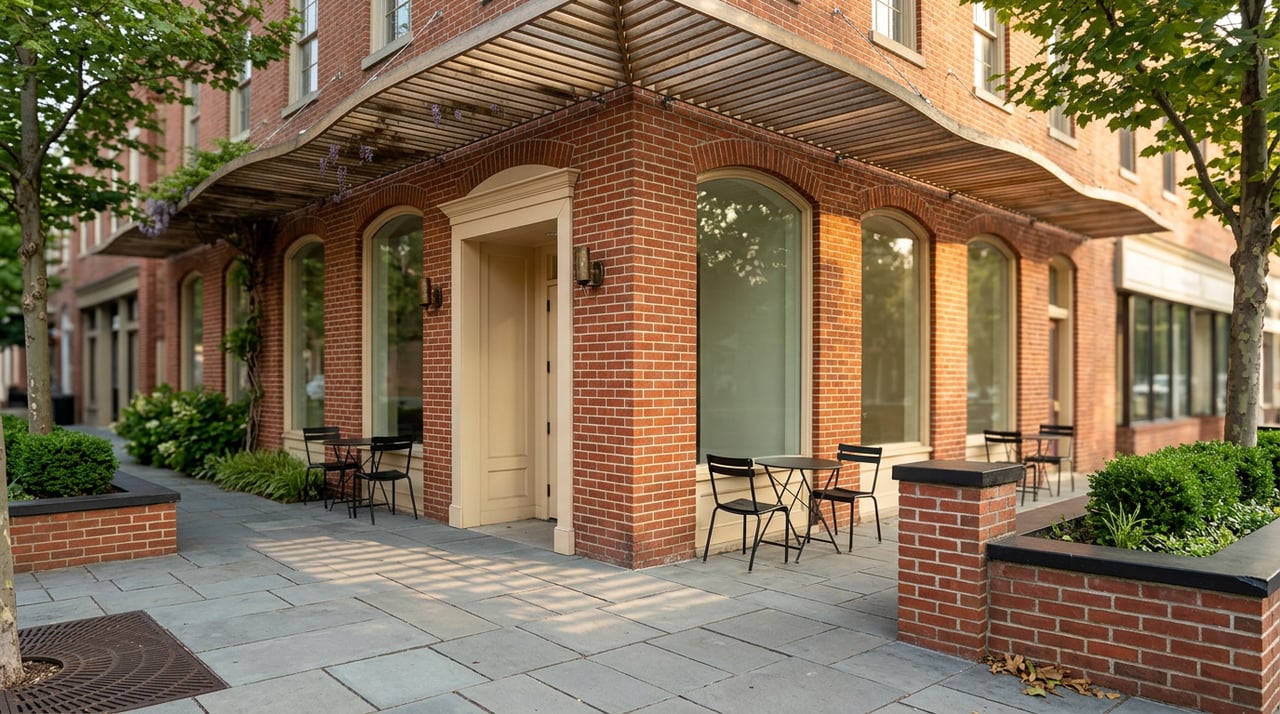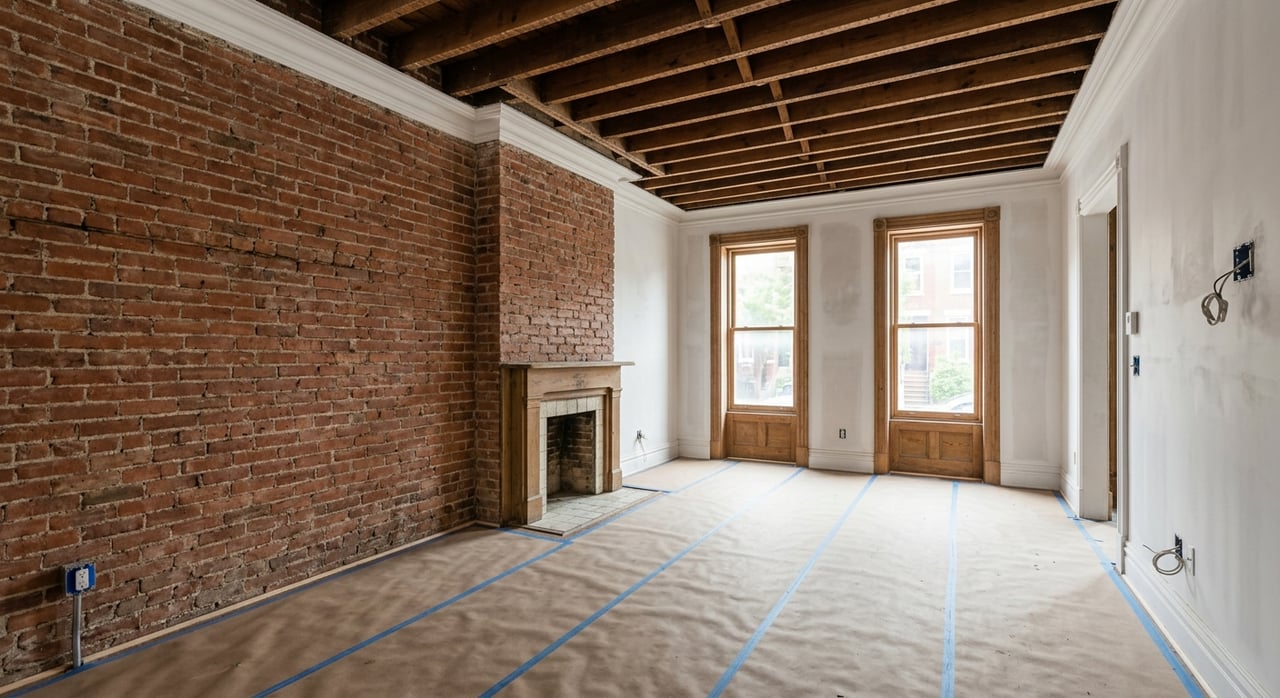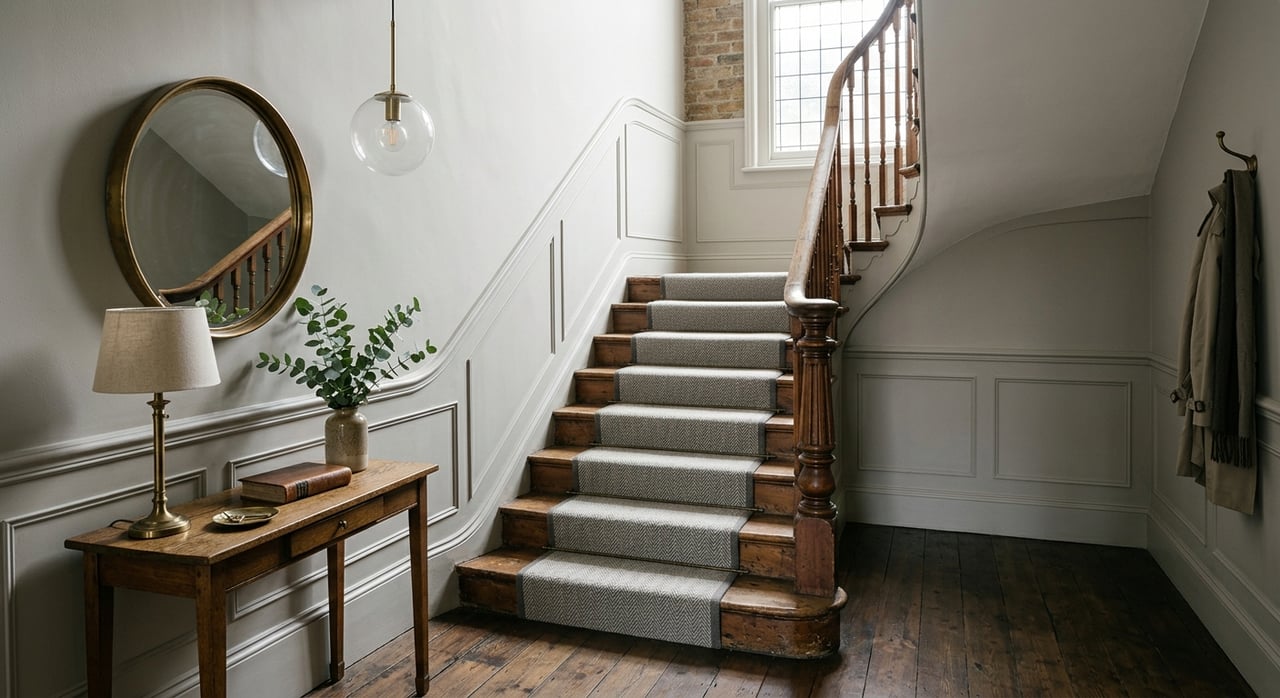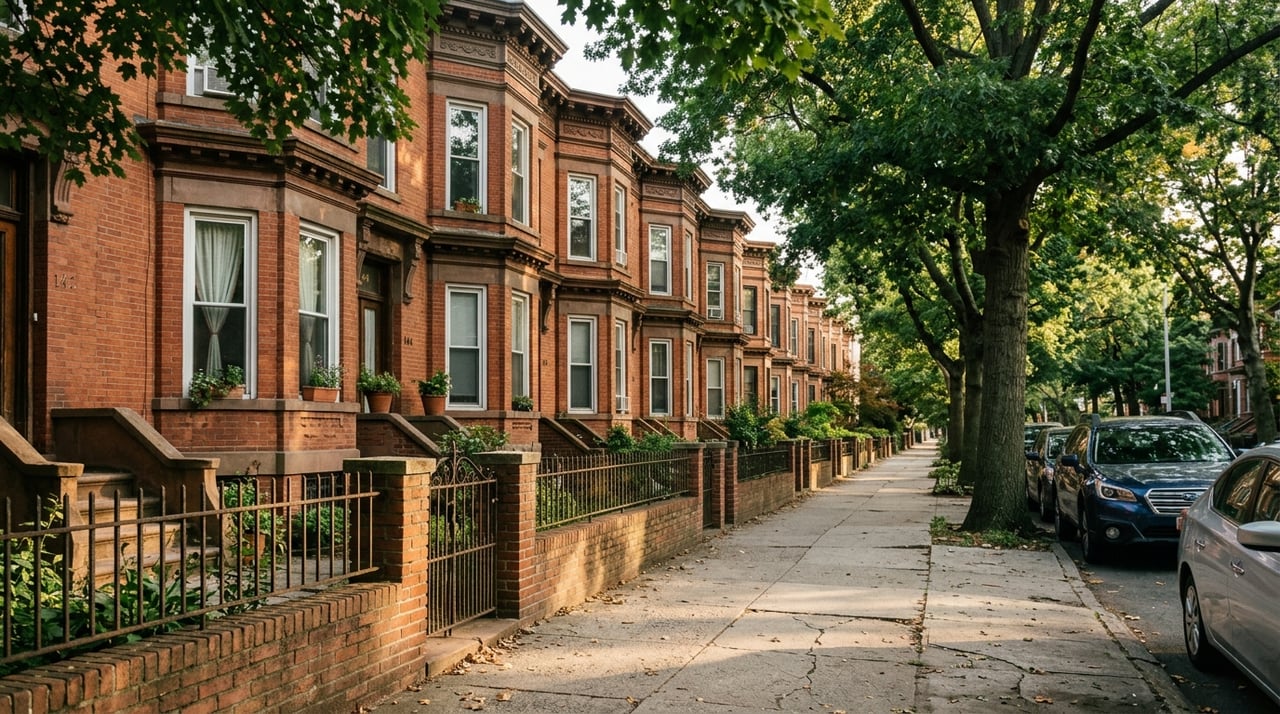
Two Columbia Heights listings catch your eye: one fully redone and picture perfect, the other with great bones and a to‑do list. Which path fits you better? If you want classic DC character with as few surprises as possible, a renovated home is tempting. If you value customization and potential upside, a renovation‑ready property can be worth the effort. In this guide, you’ll learn how Columbia Heights itself shapes the choice, how DC permits and timelines really work, what to inspect, and how to budget smart. Let’s dive in.
Why Columbia Heights matters
Columbia Heights is central, transit served, and full of classic DC rowhouses. The blocks near the Metro and along 14th Street NW feature more recent condo buildings and updated units, while many side streets still have older rowhouses with original details. That mix creates real trade‑offs for buyers deciding between move‑in ready and renovation opportunities. For a quick feel for the neighborhood’s corridors and character, explore the area overview on Washington.org.
Micro‑area examples
- 14th Street NW near the Metro has retail, dining, and a higher concentration of renovated condos. Convenience often carries a premium.
- A few blocks north or west, classic rowhouses may offer more square footage and original details, but can need systems upgrades or basement work.
- Near Meridian Hill and along 16th Street NW you may find larger, more formal buildings and different renovation profiles.
Renovated vs renovation‑ready
Both options can be smart. The right choice depends on your timeline, tolerance for project management, and how you value customization.
If you buy renovated
- Pros: Faster move‑in, fewer immediate unknowns, less permit coordination, and reduced disruption to daily life.
- Watch‑outs: You pay for the convenience. Verify the quality of work, permits, and warranties before you fall in love with finishes.
If you buy renovation‑ready
- Pros: Lower entry price relative to renovated neighbors, freedom to design the kitchen and baths you want, and potential value‑add.
- Watch‑outs: Time, cash flow, and risk. Plan for permits, inspections, and a contingency for surprises in older rowhouses.
DC permits and timeline
DC’s District Department of Buildings (DOB) requires permits for most interior alterations, structural changes, and all plumbing, electrical, and HVAC work. Start with the DOB “Get a Permit” guide to see what your project needs and how the Permit Wizard works.
- Cosmetic updates like paint and floor refinishing can be quick, often without a building permit.
- Kitchen or bath remodels that involve plumbing or electrical changes usually need trade permits and can run 6 to 12 weeks of construction time after permits are issued.
- Basements, structural changes, additions, or anything that triggers zoning or historic review can take 3 to 9 months or more, including plan review cycles and inspections.
Tip: Permit review for plan‑checked projects is commonly measured in weeks for the first cycle, and additional review rounds can add time. Build that into your schedule.
Lead and older homes
Much of Columbia Heights’ housing predates 1978, which matters for lead safety. DC presumes paint in pre‑1978 homes contains lead. If you plan to disturb painted surfaces beyond set thresholds, your contractor must follow lead‑safe work practices, carry the right certifications, and complete clearance testing where required. Review DC’s lead rules and consumer protections in the District’s regulations.
- Assume lead until tested. Add lead‑safe containment and cleanup to your budget if you will disturb old paint.
- Require a DOEE‑certified renovator/firm for qualifying projects. Put these requirements in your contract.
Historic and zoning checks
Parts of Columbia Heights involve historic review for street‑visible exterior work. Many rowhouses sit in residential zones where additions, roof decks, and accessory units have specific rules. Before you plan a dormer, deck, or footprint change, confirm zoning and whether any historic review applies. For a practical overview of how DC has handled rowhouse renovations, see this context from Greater Greater Washington. Then verify your property’s current status with DOB and the Office of Planning.
Costs and ROI reality
Renovations do not always return dollar‑for‑dollar on resale. National Cost‑vs‑Value reporting shows targeted exterior and midrange projects often recoup a higher share of cost, while large upscale gut jobs typically recoup less. Review a recent summary of these trends in the Cost‑vs‑Value report overview from HomeSmarts/Remodeling Magazine coverage.
- Often higher‑ROI: front entry refreshes, minor kitchen updates, some siding or door replacements.
- Often lower‑ROI: major upscale kitchen or bath reconfigurations, big additions with complex structural work.
For older DC rowhouses, add a 10 to 30 percent contingency for common discoveries like outdated wiring, aged plumbing, moisture control, and masonry repairs. Your actual budget should come from written contractor bids and a thorough inspection.
What to inspect first
A renovation‑ready home demands strong due diligence. Even a renovated home deserves verification.
- General home inspection. Attend the inspection and get a clear punch list of roof, structure, and systems. You can find certified pros through InterNACHI’s directory.
- Electrical panel and capacity check. A licensed electrician should confirm service size if you plan new HVAC, induction cooking, or a full kitchen remodel.
- Sewer lateral video scope. Older laterals can have root intrusion or separations. A scope gives leverage for repairs.
- Radon test and moisture assessment. Focus on basements and garden levels where air quality and water entry are most common concerns.
- Lead and asbestos testing if you intend to disturb old finishes. Review DC’s lead requirements and clearance rules in the District regulations.
Financing options to consider
If your project goes beyond cosmetic, explore financing that covers purchase and improvements in one plan. Programs like FHA 203(k) and Fannie Mae HomeStyle can bundle costs and release funds in draws, though they add documentation and contractor requirements. For an overview of renovation financing types, review this guide from Bankrate, then speak with a local lender about current terms.
- Alternatives: cash reserves, a post‑closing HELOC, or structured contractor payments tied to milestones.
- Coordinate early. Lenders, appraisers, and contractors need aligned scopes and timelines.
Vet your contractor
Hiring the right team is as important as picking the right house.
- License and insurance. Verify DC business and trade licenses through the DLCP portal and request proof of general liability and workers’ comp.
- Lead credentials. For pre‑1978 paint disturbance, require a DOEE‑certified renovator/firm and put lead‑safe work and clearance testing into your contract. Reference the District regulations.
- Clear scope. Insist on drawings where needed, a detailed scope, an itemized schedule of values, and a payment schedule tied to inspections and milestones.
- Permits and photos. Specify who pulls permits, require posted permits on site, and set regular photo updates.
- Contingency. Keep a 10 to 20 percent reserve for change orders.
Your buyer profile and path
- Need to move fast. Prioritize renovated homes with documented permits, warranties, and recent system upgrades. Your risk is lower and timelines are short.
- Want personalization. A renovation‑ready rowhouse off the main corridor can be a great canvas. Just lock down inspections, financing, and permit strategy before you close.
- Eyeing long‑term value. Consider homes with solid structure and layout that benefit from targeted updates like kitchens, baths, or energy upgrades. Explore available rebates for electrification and efficiency through DC programs summarized by DOEE.
A simple decision framework
Use this quick checklist to compare a renovated and a renovation‑ready option on the same block.
- Timeline and life logistics
- How soon do you need to move in, and how much disruption can you manage?
- Will you live in the home during work, or carry two places for a time?
- Scope and permitting
- Renovated: verify permits pulled and final inspections passed.
- Renovation‑ready: list your must‑do projects, confirm permit needs with DOB, and check for any historic review.
- Inspections and budget
- Order the inspection stack above and request contractor walk‑throughs for written bids.
- Add a realistic contingency for older systems and lead‑safe practices.
- Financing and cash flow
- Compare total monthly cost under each path, including potential draws, HELOC payments, and temporary housing if needed. Use a renovation‑loan overview like Bankrate’s guide to frame questions for your lender.
- Resale positioning
- Favor projects that improve function and efficiency. Use Cost‑vs‑Value trends from Remodeling’s national reporting as a compass, not a promise.
When you weigh these five pieces side by side, the better path becomes clear. In Columbia Heights, a renovated condo near 14th Street might buy you immediate ease and proximity, while an under‑improved rowhouse a few blocks away could deliver space and long‑term upside with a thoughtful plan.
Ready to compare real listings with a clear renovation lens and a step‑by‑step plan that fits your life? Tap into local guidance, developer‑savvy negotiation, and concierge‑level prep with Ethan Carson.
FAQs
What should I check first in a Columbia Heights fixer?
- Start with a general inspection, sewer scope, electrical panel capacity, and moisture assessment, then price out must‑do work with licensed contractors.
How long do DC permits take for a rowhouse remodel?
- Simple trade permits can be quick, while plan‑reviewed projects often take weeks per review cycle and multi‑agency reviews can extend total timelines to months; confirm with DOB.
Do I need special certifications for lead paint work?
- Yes. For pre‑1978 homes, DC presumes lead is present, and qualifying work requires a DOEE‑certified firm using lead‑safe practices with clearance testing where required.
Can I add a roof deck or rear addition in Columbia Heights?
- It depends on zoning and potential historic review; verify your property’s zone and whether exterior changes are visible from the street before planning any addition.
What renovation projects usually offer better ROI?
- National reporting shows smaller exterior updates and targeted midrange improvements often recoup more cost than major upscale gut renovations or large additions.
What is a smart contingency for older DC rowhouses?
- Budget an extra 10 to 30 percent for hidden conditions like outdated wiring, plumbing, moisture issues, or masonry repairs, adjusted after contractor walkthroughs.